

































Jupiter Studio Overview
Jupiter Studio Screenshots
Jupiter Studio Pros and Cons
Pros
- Live inside Jupiter's existing token discovery and trading stack
- No exchange account needed for base access
- Token pages expose bonding-curve progress and risk markers
- Faster path from launch to active trading than most scheduled IDO pages
- Base participation does not depend on staking a house token
Cons
- Quality control is much looser than old Jupiter LFG
- Mostly a Solana-only product, not a broad cross-chain launchpad
- Early trading can still punish small wallets with slippage and bad timing
- Safety indicators help, but they do not stop creator abuse or failed launches
- Not a strong fit for users who want fixed allocations and structured vesting terms
Who Jupiter Studio Is Best For — And Who Should Skip It
Jupiter Studio works best for those who already use Solana wallets and want launch access without waiting for exchange approvals, staking tiers, or whitelist games. It works less well for those who want the filtering done before capital goes in.
The best fit is the user who already lives on Solana and wants to find, trade, and monitor new launches inside a familiar execution stack, including those who care more about speed and market access than curated screening.
Those who should skip it are looking for a tighter launch committee, clearer allocation rules, or a more stable lineup of higher-conviction sales. Jupiter Studio can improve launch discovery, but it does not remove the core messiness of open early-stage token trading.
What Jupiter Studio Actually Is And How It Works
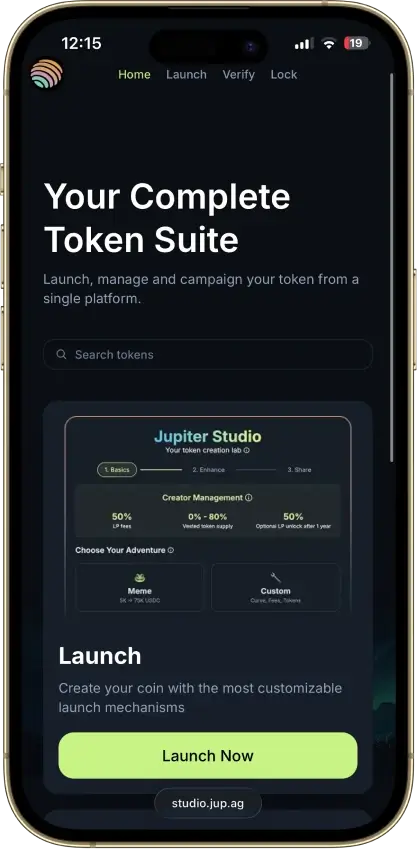
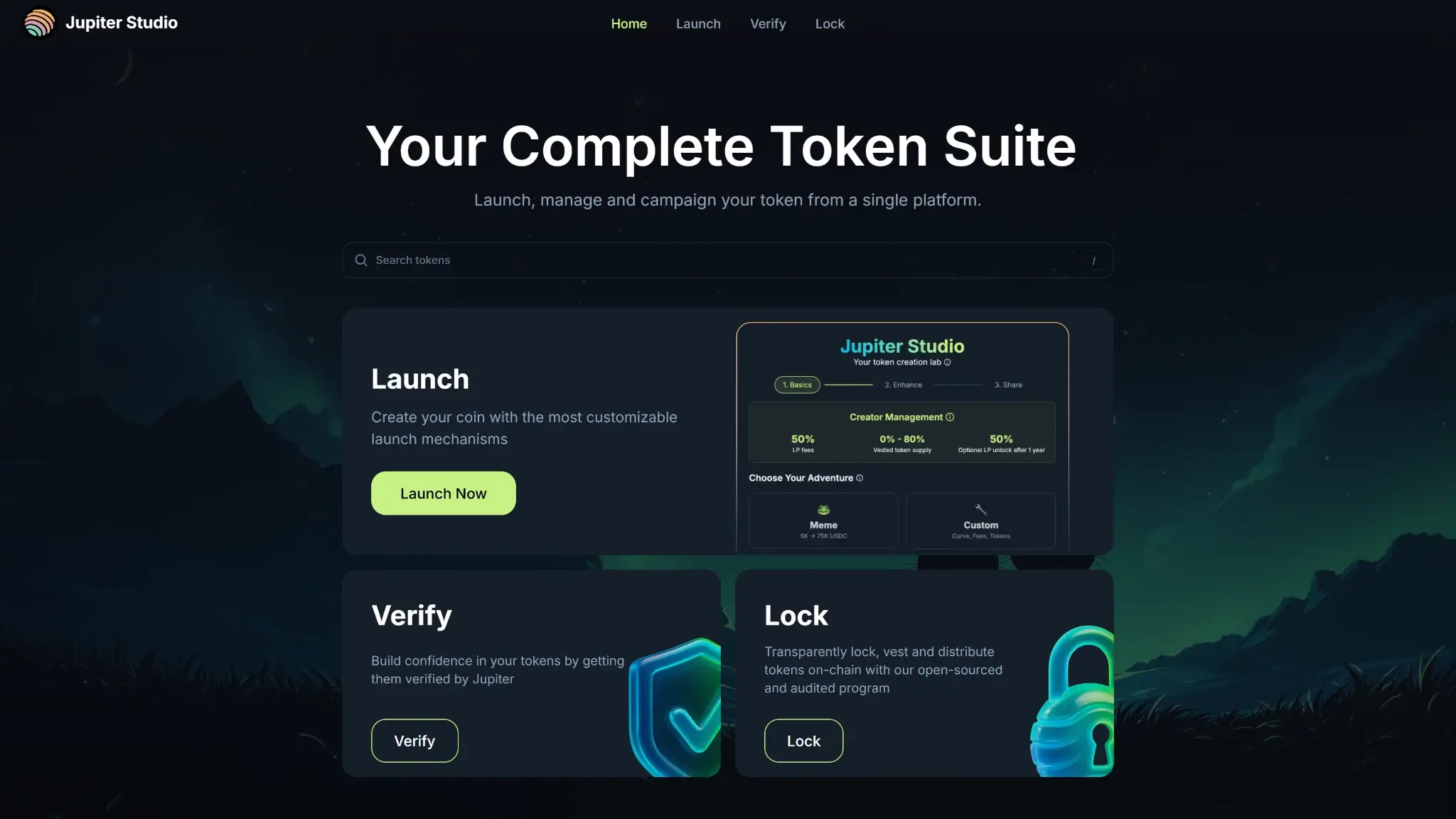
Jupiter Studio is Jupiter's live launch product for creating and running Solana token launches. There is a point of confusion worth addressing: the term “Jupiter launchpad” in 2026 refers to Jupiter Studio, not the older Jupiter LFG launchpad model.
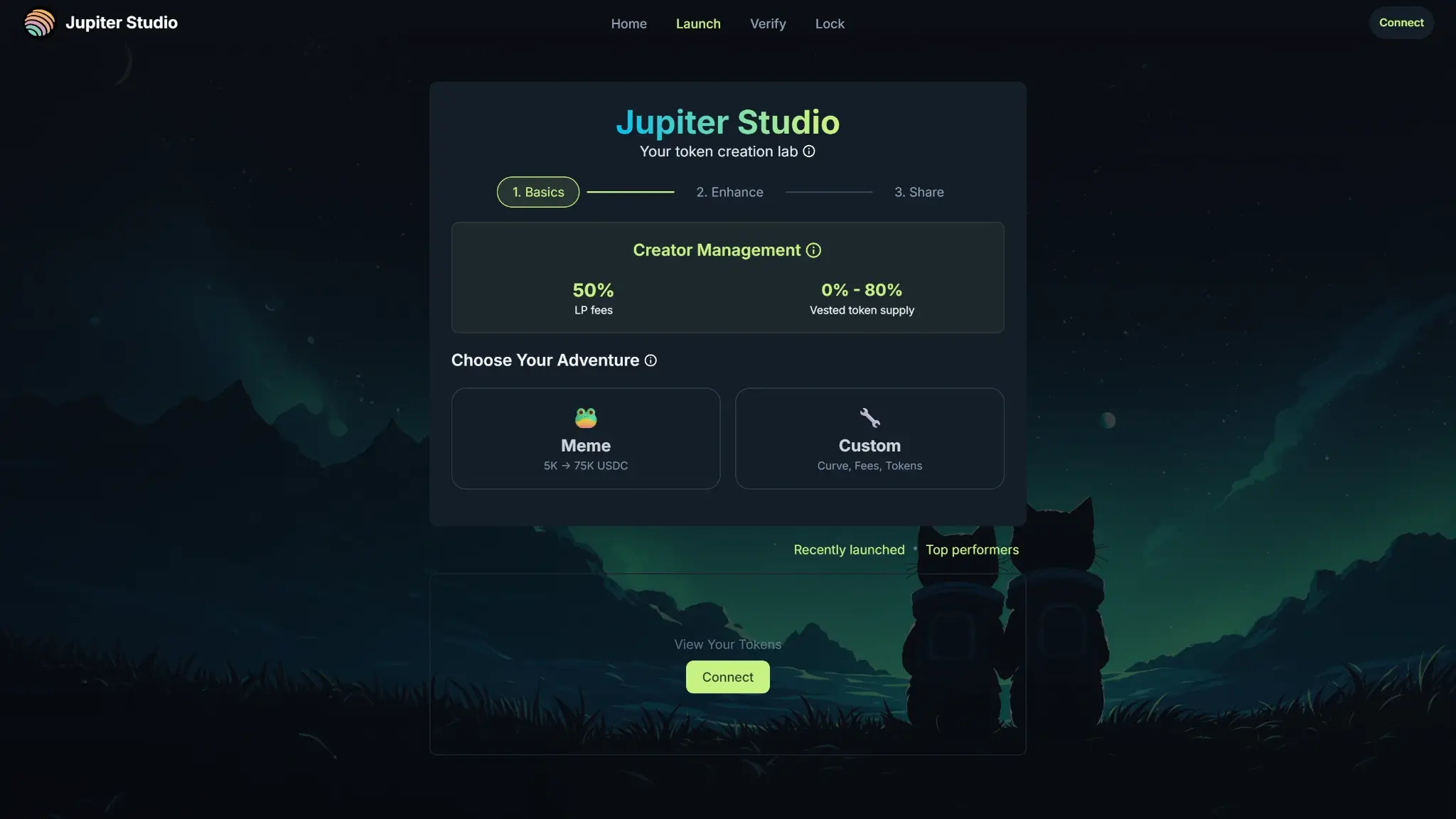
For creators, the flow is straightforward at a high level:
- connect a Solana wallet
- set launch parameters inside Studio
- deploy the token and launch route
- manage the token, campaign, and fee collection from the same product surface
For users, the experience is closer to launch discovery and live market participation than to receiving a classic IDO ticket. You track launches through Alphascan, the Launchpad Screener, and dedicated Studio token pages, fund a Solana wallet with the right asset, then buy during the bonding-curve phase or after migration depending on where the token is in its lifecycle.
If you are new to this ecosystem, start with the list of best Solana wallets, then set up a wallet built for fast Solana trading or another wallet that works well with Jupiter.
After entry, the experience is mostly about execution quality. You are not usually waiting on a formal allocation email or centralized account credit. You are watching bonding-curve progress, liquidity conditions, migration timing, and whether the token is still healthy enough to trade.
Availability, KYC and Setup Friction
Setup friction here mostly means wallet readiness. The real question is whether you already have a funded Solana wallet, enough SOL for transactions, and enough speed to act before the best part of a launch is gone.
The biggest slowdown is not paperwork. It is getting capital onto Solana, being comfortable with self-custody, and knowing whether a token is still on the curve or already bonded into a more standard liquidity pool. Users already comfortable with self-custody trade-offs will adapt quickly. Those coming from exchange-only launchpads face a steeper adjustment.
Track Record, Current Activity and Project Screening
Jupiter Studio looks active in 2026, but it does not present itself as a curated launchpad with a neat scoreboard of handpicked wins. The better way to read the track record is that Studio has an ongoing flow of live launches and token pages, while the older Jupiter LFG launchpad now sits as historical context rather than the main current surface.
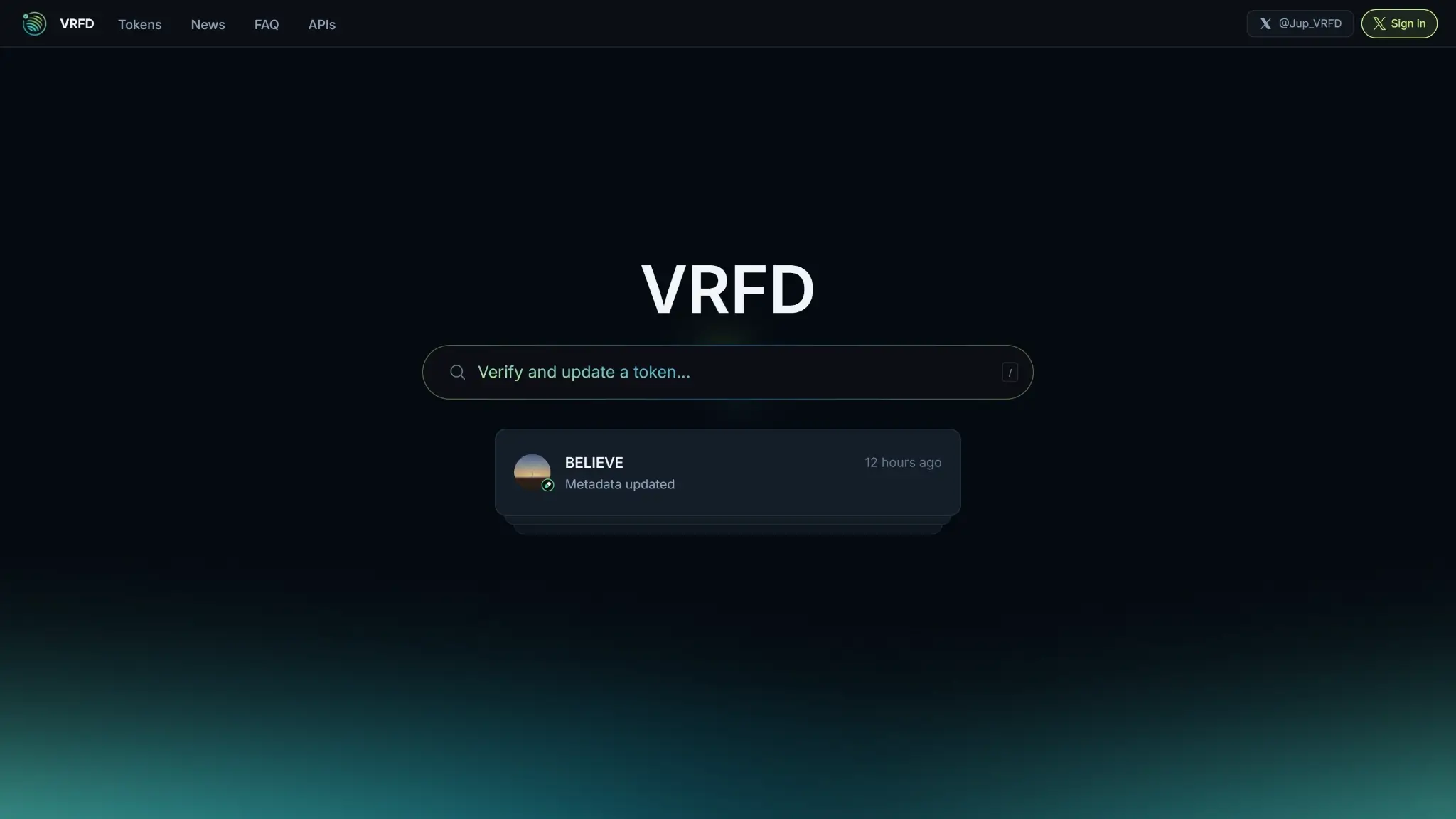
That distinction matters. If you were looking for the old Jupiter LFG model, with stronger screening, DAO involvement, and a smaller set of higher-conviction launches, that is not what you land on now. Studio is more open. Past launch count, official hit rate, and positive-outcome mix are not packaged cleanly the way a more curated launchpad would present them.
The upside is activity volume. The downside is screening depth. Studio is better at enabling launches than at proving they deserve your capital. Project support and creator tooling look real, but incubation depth is still much lighter than a true advisory or deeply vetted launch program.
The track record is active but uneven. There is enough live activity to matter, but not enough built-in filtering to let you outsource judgment.
Project Mix, Discovery Quality and Ecosystem Fit
Compared with a curated token sale platform, Jupiter Studio is broader and noisier. Compared with raw meme launch factories, it has a better surrounding trading and discovery stack. That puts it in a middle position: fast and open, but still more usable than the most chaotic launch surfaces.
The platform runs fast and noisy rather than selective. That is not automatically a problem. It just means the product is built more for throughput and trading than for careful pre-screening.
Claim Flow, Vesting and Exit Reality
Jupiter Studio does not behave like a classic launchpad where users wait for an allocation result and then claim at TGE. In many cases the real action is direct participation in the live launch path, which means your exit depends less on a claim schedule and more on where the token sits in the bonding-curve or post-migration lifecycle.
That changes how vesting reads too. For buyers, the main issue is usually liquidity quality, migration timing, and slippage before or after bonding-curve completion. For creators, Studio currently presents Meme mode and Custom mode. Meme mode has no creator vesting. Custom mode can vest 0% to 80% of supply, with 6- or 12-month duration and optional cliff settings. That is healthier than a pure instant-dump model, but it does not make the token safe.
Jupiter Studio is better understood as a live-entry, live-exit launch environment than as a predictable allocation-and-claim system. If you want a neat vesting table for every sale, this format will frustrate you.
Fairness, Bot Resistance and Launch Integrity
Jupiter Studio gives you more launch context than a bare meme launcher, but it is not a fairness-first crypto launchpad. Token pages surface bonding-curve progress, holder concentration, mint and freeze authority checks, dev activity, verification signals, and in some cases anti-sniper logic or creator vesting. That is useful, but it does not remove the basic advantage that speed, capital size, and execution quality still carry in open wallet-based launches.
Whale bias can still matter, bot advantage can still show up early, and the system is not strongly sybil-resistant. The main integrity risk is usually not a hidden allocation rule. It is entering a token that looks active enough on the surface but is still too concentrated, too thin, or too creator-dependent once real selling starts. Studio gives you more visibility than many fast launchpads, but the filtering job stays with you.
Security, Smart Contract Risk, Compliance and Trust
The main trust sits in Jupiter's execution and safety tooling, not in custody.
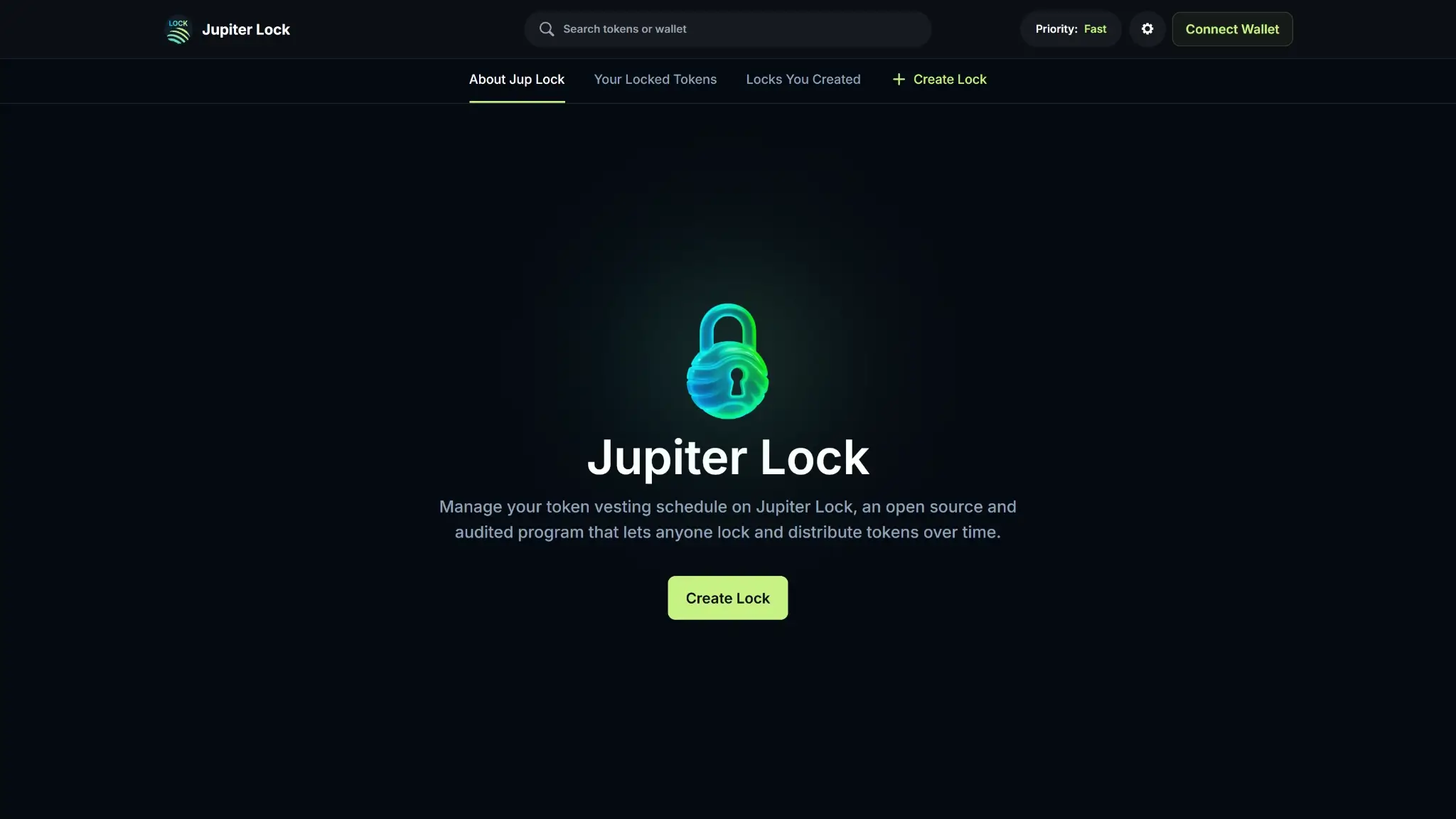
What that means in practice:
- funds stay in your wallet until you approve a transaction
- users remain in self-custody rather than handing assets to a centralized launchpad
- bad approvals, fake tokens, and rushed entries still hit the user directly
The bigger risk is usually token and contract quality, not platform custody. Jupiter surfaces checks like mint authority, freeze authority, top-holder concentration, dev holding, bonding-curve progress, and token verification signals, but those are filters, not guarantees.
Trust and privacy trade-offs:
- base access does not usually require KYC
- wallet activity is still public and easy to track
- Jupiter can help with route failures, display issues, and some product-side execution problems
- Jupiter cannot reverse creator freezes, concentration risk, sniper/insider concentration, thin pre-migration liquidity, token collapse, broken token economics, or trading losses
Customer Support, Community and Incident Handling
The documentation layer is better than the human-support layer. Jupiter gives you a real support hub, product FAQs, and a visible status page, but most Studio problems still end up as self-serve troubleshooting before a ticket gets opened.
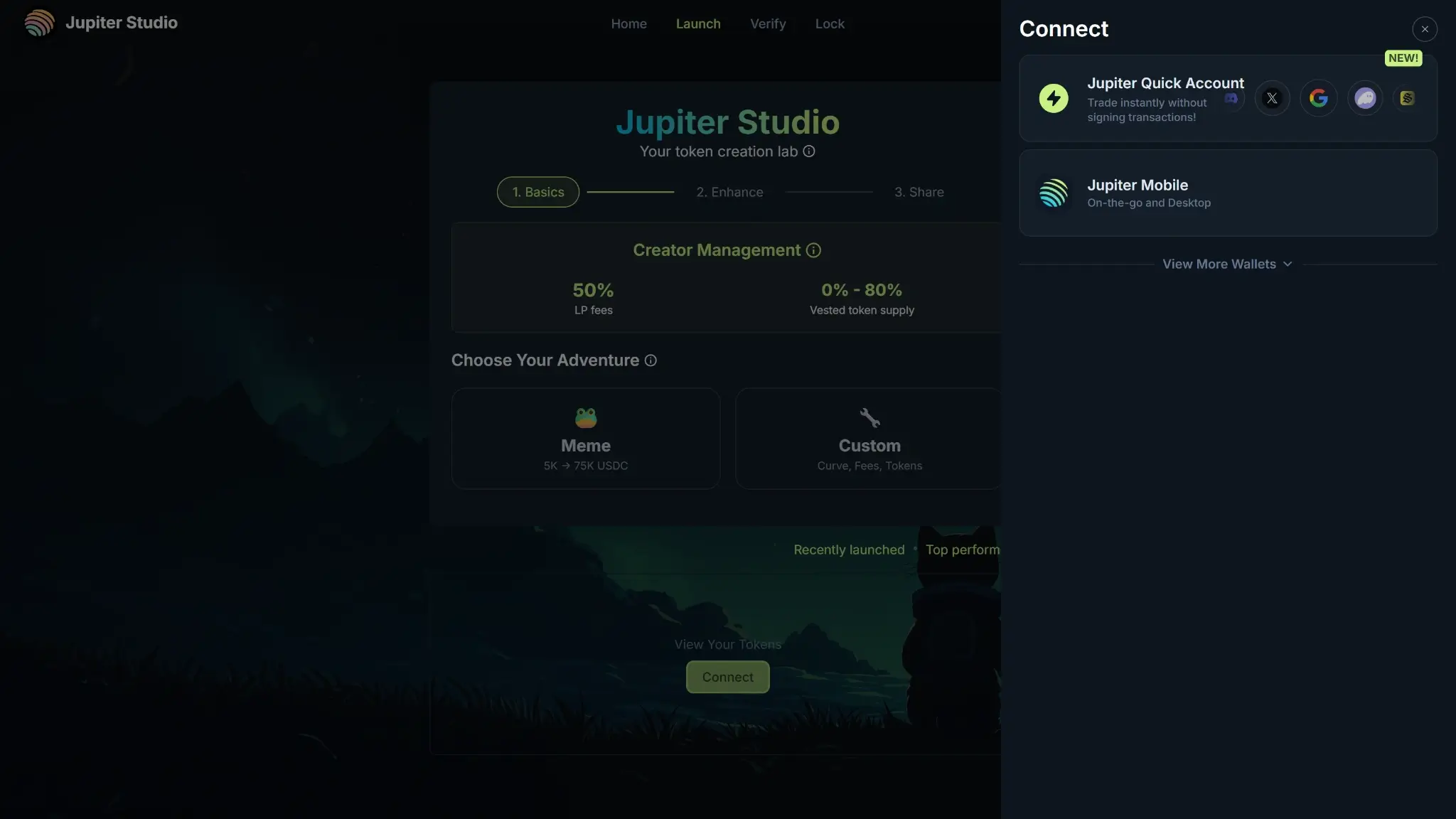
- Help center: support.jup.ag, with Studio, Terminal, wallet, and trading FAQs
- Live chat: not available as a clear retail support channel
- Email or ticket support: ticket form through support.jup.ag is the main path
- Discord / Telegram / X presence: Discord and X are clearly surfaced; Telegram appears in some help flows, but it is not the main Studio support surface
- Status page: status.jup.ag for uptime, incidents, and subscriptions
- What support can fix: route failures, missing position data, token display issues, and some product-side execution problems
- What support cannot fix: creator freezes, concentration risk, sniper/insider concentration, thin pre-migration liquidity, token collapse, broken token economics, or trading losses
- How incidents are communicated: support hub updates, status page notices, and community channels like X and Discord
Support breaks down when the problem is economic rather than technical. Jupiter can explain what failed and sometimes help when the stack misbehaves, but it cannot rescue a weak launch or reverse onchain damage caused by the token itself.
Final Verdict
Jupiter Studio earns its score by doing one thing well: getting Solana users from wallet to live launch faster than almost any structured alternative. There is no staking ladder, no KYC queue, and no exchange account required. But the openness cuts both ways. Quality screening is minimal, creator vesting is optional, and the anti-sniper fee can hit 99% in the first 15 to 60 seconds if you enter at the wrong moment. The 1% fee on every buy and sell adds up across repeated entries, and the real cost of a bad fill on thin pre-migration liquidity can dwarf the gas. This is a product built for throughput, not for filtering. It suits Solana-native traders who can do their own due diligence. It is a poor fit for anyone expecting the platform to do that work for them.
Built into Jupiter's token discovery and trading flow, Token pages surface launch status and risk indicators, Bonding-curve launches migrate to a Meteora DAMMv2 pool at graduation
Why it stands out
- Live inside Jupiter's existing token discovery and trading stack
- No exchange account needed for base access
- Token pages expose bonding-curve progress and risk markers
- Faster path from launch to active trading than most scheduled IDO pages
- Base participation does not depend on staking a house token
What to consider
- Quality control is much looser than old Jupiter LFG
- Mostly a Solana-only product, not a broad cross-chain launchpad
- Early trading can still punish small wallets with slippage and bad timing
- Safety indicators help, but they do not stop creator abuse or failed launches
- Not a strong fit for users who want fixed allocations and structured vesting terms
Disclaimer: CryptoSlate may receive a commission when you click links on our site and make a purchase or complete an action with a third party. This does not influence our editorial independence, reviews, or ratings, and we always aim to provide accurate, transparent information to our readers.
