

IDO launchpads (or initial DEX offering platforms) have splintered into a messy category. The label is applied to exchange-led sale products, generic presale portals, and fast-launch meme token tools that have little to do with how a real IDO works. What this page covers are platforms where a self-custody wallet is central to the process, not just a final claim step, plus a few adjacent sale venues worth including when launch quality justifies it.
Top Crypto IDO Launchpads
- Strong token-sale history without a native-token buy-in
- Current sale flow is non-custodial and wallet-based
- Allocation mechanics are broader than simple FCFS
- 140 funded projects and long-running IDO brand
- POLS Power system with visible tier odds
- Curated multi-chain sales plus advisory support
- Merit-based access instead of pure FCFS
- Full compliance with self-custodial embedded wallets
- Curated pre-TGE sales built for quality filtering
- Multiple launch formats, not just standard IDOs
- Some sales offer non-staker access with optional staking boosts
- Refund and claim mechanics can be more flexible than many token-gated pads
CryptoSlate may earn a commission when you visit partner sites through links on this page, at no extra cost to you. Our rankings and reviews remain editorially independent and based on our published methodology. Read disclosure
Disclaimer: CryptoSlate may receive a commission when you click links on our site and make a purchase or complete an action with a third party. This does not influence our editorial independence, reviews, or ratings, and we always aim to provide accurate, transparent information to our readers.The shortlist is short because real category fit is narrow. Some recognizable names belong in exchange-led sales, some have weak recent activity, and some ask for too much token exposure relative to what they offer back. Access model and upfront burden matter more than brand name for most users.
Comparison Table
| Name | Can You Join? | How You Get In | Upfront Cost / Lock | Solana Fit |
|---|---|---|---|---|
 Coinlist Coinlist | Exchange Account, Connected Wallet | FCFS, Pro-Rata Subscription, Hybrid, Varies By Sale | None | ICO Platform |
 Polkastarter Polkastarter | Connected Wallet | Lottery, Tiered Guaranteed, Snapshot-Based, Hybrid | High | DEX / IDO Launchpad, Incubator / Advisory Launchpad |
 Legion Legion | Connected Wallet | Merit / Reputation-Based, Hybrid, Varies By Sale | None | ICO Platform, Reputation-Based Launchpad |
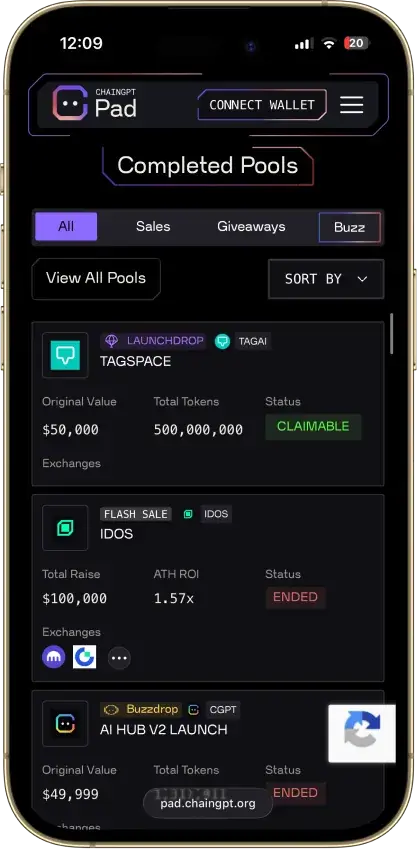
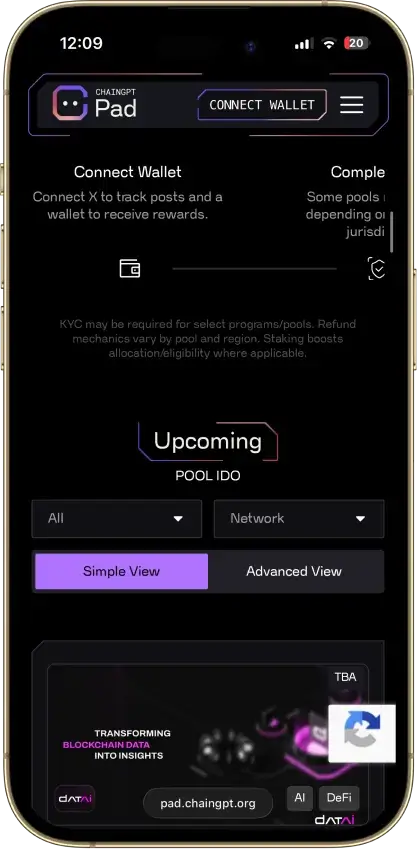
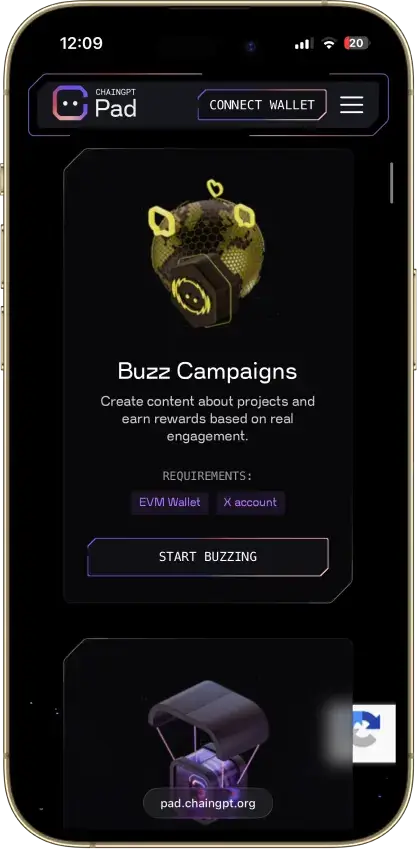
 ChainGPT Pad ChainGPT Pad | Connected Wallet, Mixed By Sale | Tiered Guaranteed, FCFS, Pro-Rata Subscription, Quest / Community-Based, Mixed By Sale | Varies By Sale | DEX / IDO Launchpad, Incubator / Advisory Launchpad |
Polkastarter and ChainGPT Pad fit better if you are comfortable holding a platform token for a wallet-led sale. CoinList and Legion make more sense if you want to avoid that token exposure, even though both sit outside the pure IDO mold. If Solana wallet setup is your starting point, our guide to Solana wallets and our Phantom wallet review cover the basics before you approach any of these platforms.
Crypto IDO Launchpads Reviews
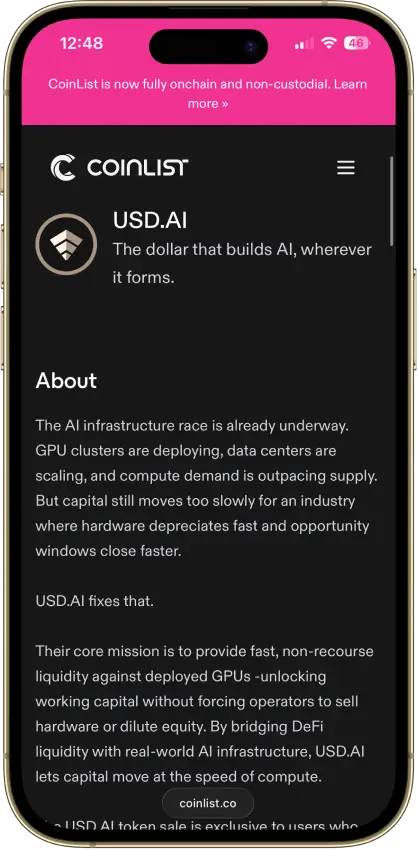
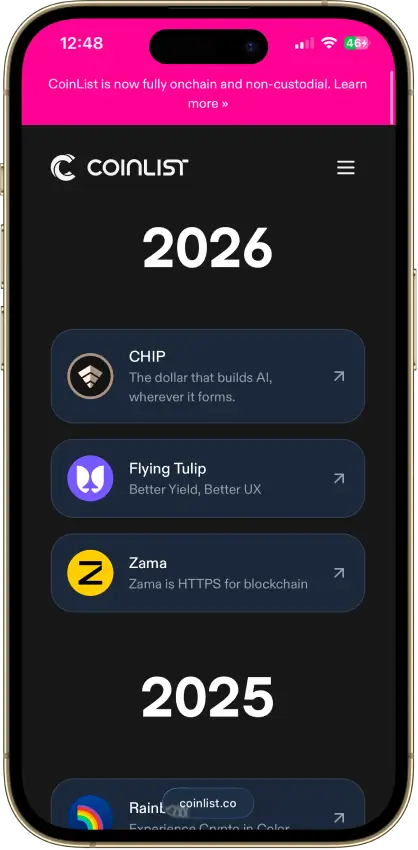
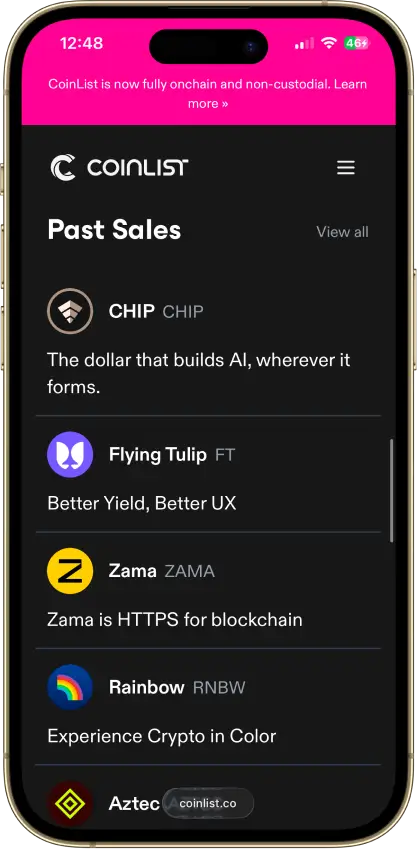
Coinlist
Pros
- No platform token needed for base access
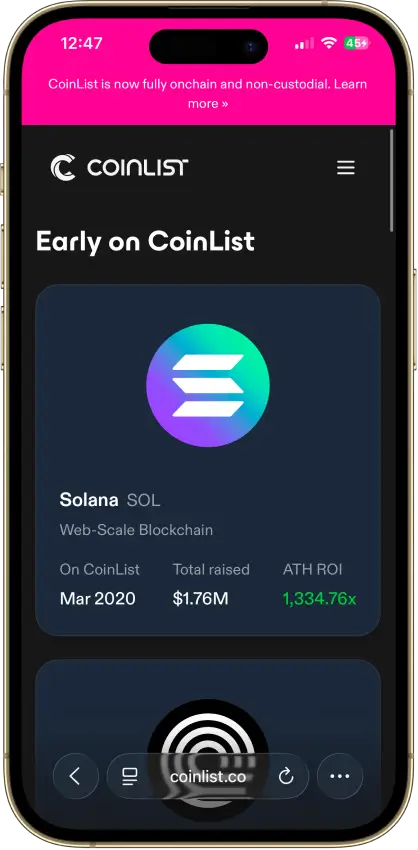
- Multi-cycle launch history with several category-defining names
- Recent sale activity is still real, not just legacy brand value
- Allocation methods are broader than pure lottery or tier farming
- Non-custodial flow sends tokens to user-controlled wallets
Cons
- Full KYC is a hard requirement
- Region restrictions can remove access sale by sale
- Sale design changes often enough to create a learning curve
- Vesting and unlock terms vary too much to assume fast liquidity
- Real participation depends on the sale-required asset, wallet readiness, and chain setup at the right time
Polkastarter
Pros
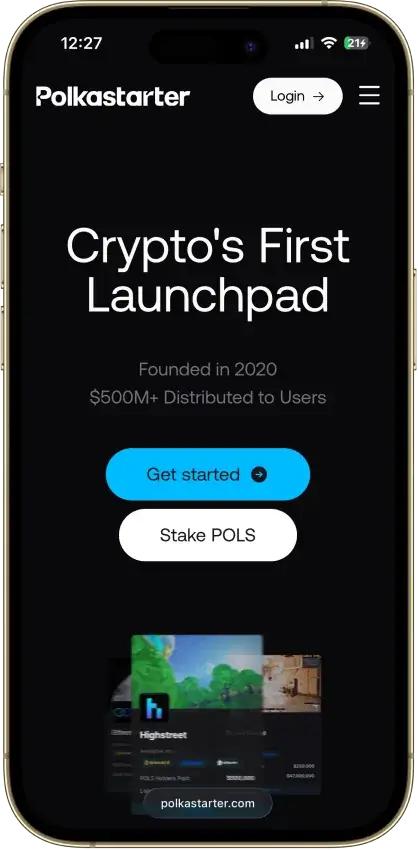
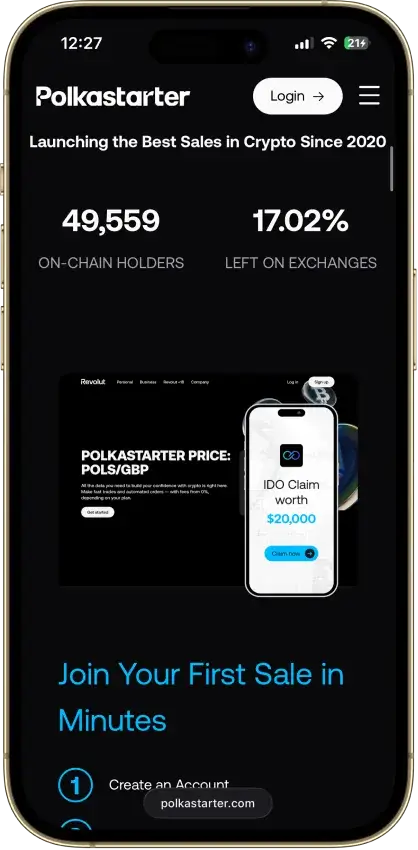
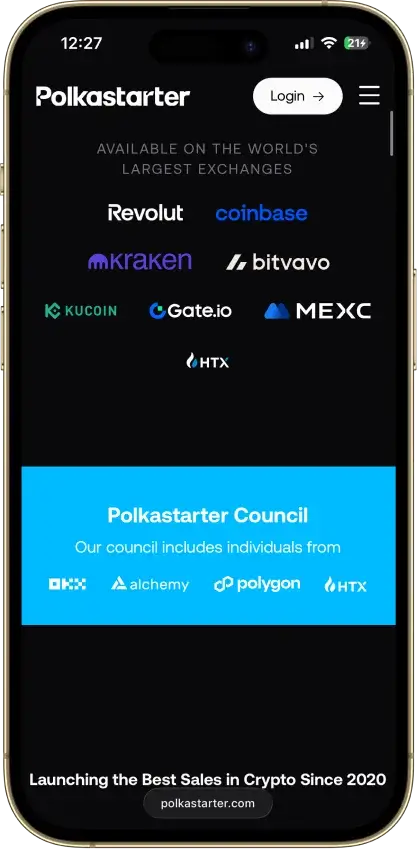
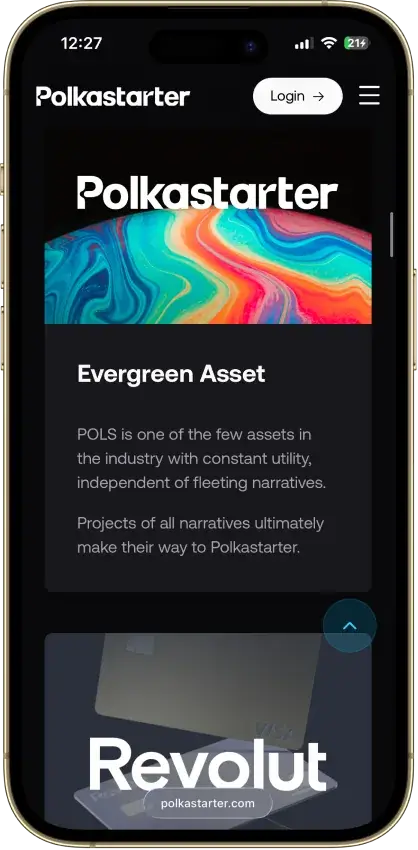
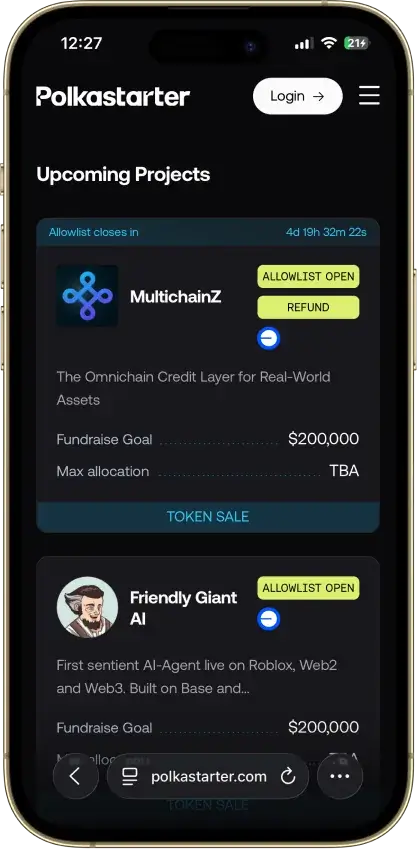
- Long-running launchpad founded in 2020 with 140 funded projects
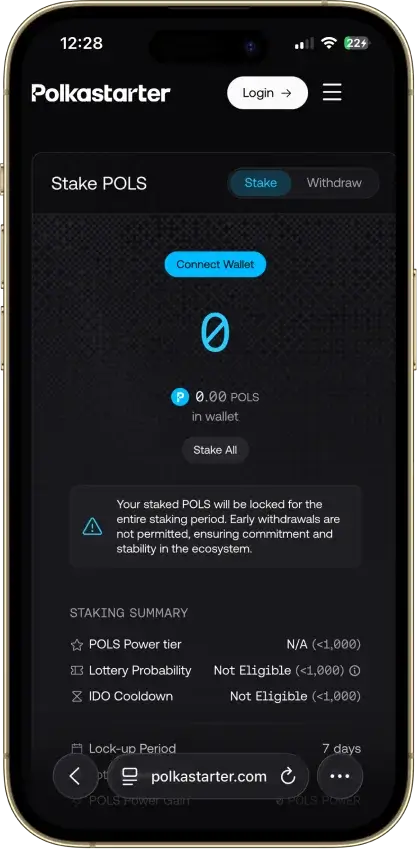
- Visible POLS Power tiers make the access model clearer than most IDO rivals
- Staking can make you eligible faster than simple wallet holding
- Multi-chain reach is broader than single-ecosystem launchpads
- Advisory, tokenomics, and listing support improve project-side screening depth
Cons
- Base eligibility starts at 1,000 POLS Power, which raises the capital bar
- Bronze and Silver tiers still leave allocation odds far from dependable
- KYC can arrive after preselection, not before you invest time in the process
- Cooldown rules reduce repeat participation after successful allocations
- Some live rule wording around staking duration is not perfectly clean, so users should verify the active dashboard terms before locking funds
Legion
Pros
- No launchpad token needed for base access
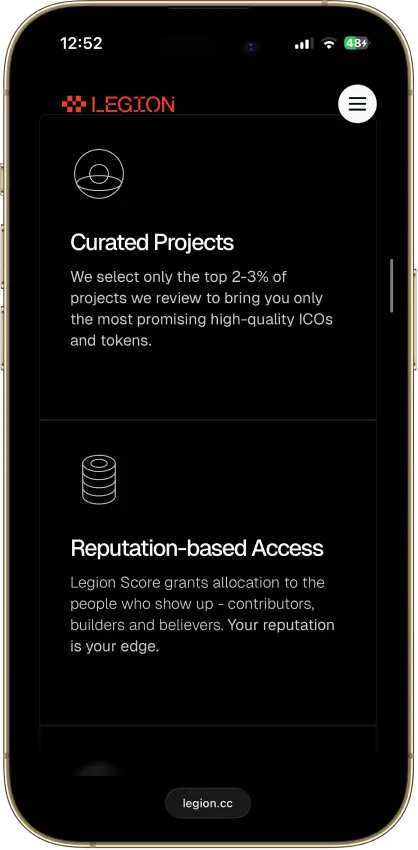
- Score can reward activity, not just wallet size
- Embedded wallet flow stays closer to self-custody than exchange balance access
- Projects can filter for builders, users, and long-term backers
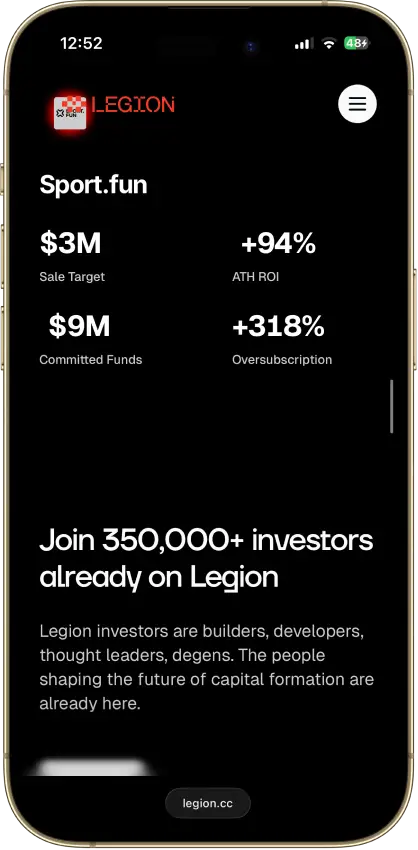
- Some rounds can sit close to listing or TGE
Cons
- Full KYC and proof of address slow setup
- Strong score still does not guarantee allocation
- Sale rules can change from one round to the next
- Token delivery timing depends on each project
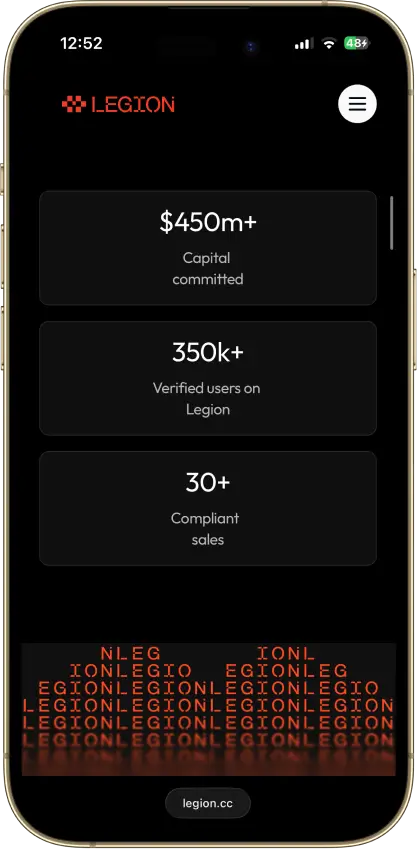
- Deal flow is narrower than large exchange launchpads
ChainGPT Pad
Pros
- Standard IDOs show allocation before the buy window opens
- Public Sales allow base access without staking $CGPT first
- Staking improves more than one format, not just IDO access
- EVM and Solana support is broader than many single-ecosystem pads
- Some campaigns include excess or full refund paths instead of one-way commitment
Cons
- Best terms still cluster around higher $CGPT tiers
- KYC and jurisdiction blocks remove a meaningful part of the market
- Rules change by format, so the learning curve stays higher than it looks
- Public Sale users can commit funds without knowing their final allocation
- Claim timing and vesting still depend on each project after the sale
How We Ranked The Best IDO Launchpads
A launchpad could carry a recognizable name and still rank lower here if access was inconsistent, qualification costs were too high, or the sale format drifted too far from what users expect from an IDO. We also separated pure IDO fit from adjacent sale quality, because a good early-access venue is not always the right match for this category. For a wider view, see our full launchpad comparison and our Solana launchpad shortlist.
The goal was to reward platforms that keep participation understandable and keep the entry burden proportional to the opportunity. That also meant looking past marketing labels. A platform can appear accessible on the surface, then turn expensive or restrictive once token exposure, geography limits, chain setup, and claim timing are all factored in.
These are the main criteria that shaped every score:
- Category fit: True wallet-first IDO platforms ranked above exchange-led launches and generic presale portals.
- Current relevance: Recent sale activity mattered more than old ROI stories or legacy reputation.
- Access model: How users actually qualify, not just how the landing page describes entry.
- Upfront qualification burden: Native-token staking, lock periods, and minimum capital all reduced scores.
- Solana and multi-chain usefulness: Platforms that serve Solana users without extra setup scored better.
- KYC and country friction: Geography blocks and heavy verification counted against a platform.
- Claim and vesting friction: Clear token delivery and usable vesting terms scored better than vague release schedules.
- Cost drag: Token lock, gas, bridge costs, and idle capital were all counted, not just posted fees.
- Transparency and support: Clear rules and usable help mattered because launch-day confusion costs real money.
The ranking only helps if it reflects how the sale works for a real user from setup to claim, not how the platform presents itself.
What Is An IDO Launchpad?
An IDO launchpad (or initial DEX offering platform) is a token sale platform built around self-custody wallets and an onchain-first participation flow. In most cases, you connect a wallet, clear any allowlist or tier requirement, fund with the required asset, and then claim or receive tokens through a process that stays closer to wallet infrastructure than exchange balances. If you are new to that setup, our guide to decentralized wallets and our picks for wallets suited to beginners are worth reading first.
What belongs on this page are platforms where the wallet matters to the process, not just as a last-step claim tool. That includes classic IDO launchpads and a small number of adjacent sale venues that serve the same early-access job for wallet-first users. Exchange-first sale products, where the exchange account handles most of the flow, and direct presales run by the project without a real launchpad layer, are outside this category.
IDOs get confused with other token sale models because the user goal looks similar in every case: buy early, before broad market trading begins. But custody works differently, qualification works differently, and the friction after the sale often matters more than the label on the front page.
IDO Vs IEO Vs ICO: Which One Fits Best?
These three labels all refer to early token sales, but they solve different problems. The best fit depends on whether you want self-custody, exchange convenience, or the widest possible access to direct presales.
| Model | Where The Sale Happens | What You Need | Best Fit |
|---|---|---|---|
| IDO (Initial DEX Offering) | On a wallet-first launchpad tied to an onchain sale flow | A self-custody wallet, KYC if required, and often staking or allowlist steps | Users who want onchain access and can handle more setup |
| IEO (Initial Exchange Offering) | Inside a centralized exchange | An exchange account, KYC, and often exchange-token holdings or snapshots | Users who want easier funding and faster post-listing access |
| ICO (Initial Coin Offering) | On a project site or a direct sale portal | Varies by deal, but usually KYC, stablecoins, and more manual due diligence | Users who want broader presale access and accept more screening work |
IDOs make more sense when you want wallet control from the start and want the sale flow to stay close to the chain the project will live on. They also suit users who are comfortable doing more setup in exchange for less exchange dependence. Our guides to IEO launchpads and ICO platforms cover the other two sides of that comparison.
How IDO Launchpads Work
Most IDO launchpads follow the same broad sequence, even when the details change from platform to platform. The friction level varies, but the steps are consistent enough that understanding one platform makes the others easier to approach.
- Set up wallet
- Check country and KYC
- Qualify or stake
- Join allowlist
- Fund correct chain
- Enter sale
- Claim tokens
- Track vesting
Users typically get stuck in the middle, not at the start. Missing a registration window, funding the wrong chain, learning too late that staking only improves odds rather than guaranteeing access, and assuming claim day means full liquidity when vesting still limits what can be sold — these are where things go wrong, and they are all avoidable with preparation.
Which Type Of IDO Launchpad Fits You Best?
Most users need the launchpad that matches how they qualify, how much setup they can tolerate, and whether they care more about classic IDO access, lower token exposure, or tighter compliance. Brand reputation rarely answers that question.
| If You Are This Kind Of User | Best Match In This List |
|---|---|
| Comfortable with self-custody, staking, and allowlists | Polkastarter |
| Strong onchain user, builder, or well-connected participant | Legion |
| More concerned with sale quality and compliance than pure IDO format | CoinList |
| Want broader chain coverage but still care about Solana-linked launches | ChainGPT Pad |
Polkastarter suits users who are fine with platform-token exposure in exchange for a familiar IDO flow. CoinList fits users who want to avoid that staking burden, even if the format sits outside a pure IDO model. Legion makes more sense for users who already have the right profile signals, while ChainGPT Pad works better for those who want wider chain coverage and can tolerate a heavier setup process.
How Access And Allocation Work On IDO Launchpads
Getting into an IDO is rarely as simple as clicking buy at the right moment. Most platforms use layered access rules to control demand, filter users, and spread allocations across tiers, regions, or qualification groups. The headline entry path can look simple while the real odds depend entirely on what sits underneath it.
The key question is whether the platform rewards preparation, spending, or luck. Some models favor users who stake more. Others favor users who register early, pass a score threshold, or win a lottery. The sale can be real and usable under any of those conditions, but the expected outcome changes significantly depending on the mechanism. The main access formats you will encounter are:
- Allowlist: You register interest ahead of the sale and are approved or rejected based on platform criteria.
- Lottery: Eligible users are entered into a draw, and winners receive an allocation.
- Guaranteed allocation: Users who meet a staking or tier threshold are guaranteed a spot, usually with a fixed or proportional amount.
- Oversubscription: Demand exceeds supply, and allocations are scaled down or decided by weighted criteria.
- First come, first served: Eligible users are filled in order until the sale cap is reached.
Access model directly changes both cost and confidence. A guaranteed allocation can justify the staking burden if the threshold is realistic. A lottery keeps entry cost lower but often leaves users holding platform tokens with no clear return. FCFS can look fair, but it rewards speed and preparation more than anything else — users already verified, already funded on the correct chain, and ready the moment the sale opens have a structural advantage.
Staking Requirements And Upfront Cost On IDO Launchpads
The biggest cost on many IDO launchpads is not the sale itself. It is everything you have to do before you are even eligible. Buying and holding the launchpad token, locking it for longer than expected, keeping stablecoins idle, or accepting price exposure just to improve your odds of a small allocation can all add up before a single token is purchased. The specific costs to account for are:
- Launchpad token requirement: Many platforms require you to hold or stake their native token to qualify for any tier.
- Score or reputation systems: Some platforms replace token staking with onchain activity scores, which take time to build.
- Stablecoin funding: Some sales require pre-funded stablecoins that sit idle until the sale opens.
- Lock periods: Staked tokens are often locked for days or weeks, limiting your ability to react to market moves.
- Opportunity cost: Capital tied up in platform tokens or idle stablecoins cannot be deployed elsewhere.
- Token price exposure: Platform tokens can fall in value between purchase and claim, changing the real cost of access.
- Tier pressure: Higher tiers often require significantly more capital to reach a credible allocation size.
A small ticket size can still become expensive when the full picture is taken into account. Buying a volatile token, locking capital for weeks, bridging assets across chains, and climbing tiers just to have a realistic allocation can together cost more than the sale itself. That is why the upfront burden matters as much as the sale terms.
Claim Schedules, Vesting, And Token Access
Getting an allocation is only half the job. What matters next is when the tokens become usable: how much unlocks at TGE, whether a cliff delays the first release, and whether you need to return to the platform to claim each tranche manually. The components that shape this are:
- TGE unlock: The percentage of tokens released at the token generation event. Higher is better for early liquidity.
- Cliff: A waiting period before vesting begins. Some cliffs run for months after TGE.
- Linear vesting: Tokens release gradually over a fixed schedule after any cliff period ends.
- Manual claim: Some platforms require you to trigger each release yourself, adding gas cost and friction at every tranche.
- Transferability: Tokens may be delivered but restricted from transfer or sale until specific conditions are met.
- Liquidity: Even fully unlocked tokens may have no active market depth, making the theoretical value hard to realize.
Theoretical access and usable access are different things. A user can hold tokens on paper while the liquid portion is small, the first unlock is months away, there is no market depth, and every claim step adds gas. The headline allocation matters less when the actually sellable amount is limited or hard to reach.
Initial DEX Offering Launchpad Costs Compared
Most users focus on the sale price and miss the real drag. The bigger cost often sits in qualification, idle capital, token exposure, or setup mistakes across wallets and chains.
| Name | Access Cost | Funding Cost | Biggest Cost Risk |
|---|---|---|---|
| Polkastarter | 1,000+ POLS to qualify. More POLS improves odds | Sale asset plus wallet and network setup | Buying POLS before access is confirmed |
| ChainGPT Pad | 2,000+ points for Bronze. Often means 2,000 CGPT at 45 days or 1,000 at 365 days | BNB Chain setup, gas, and sale funds | High staking burden for small allocations |
| CoinList | No platform token. KYC plus sale minimum, often around $100 | USDC or USDT prefunding on platform | Idle stablecoins and changing sale rules |
| Legion | No token stake. Score-building and sale minimum matter more | Sale-specific wallet and funding setup | Time cost and uncertain allocation despite prep |
The main drag comes from before the purchase, not after. Staking cost can exceed gas, idle capital can sit for days with no allocation guarantee, and a wrong-chain funding mistake can turn a small sale into a frustrating one. Locking a platform token during a weak market or funding a sale early and receiving little allocation back are the scenarios that cause the most damage to overall returns.
How To Judge A Good IDO Before You Join
A good IDO gives you enough information to assess the token, the unlock path, the valuation, and realistic exit conditions before you commit money or buy a platform token to qualify. The key signals to check are:
- Tokenomics clarity: Is total supply, allocation breakdown, and unlock schedule published before sale day?
- Unlock visibility: Can you see exactly when each tranche releases and how much?
- Valuation realism: Does the fully diluted valuation reflect actual comparable projects, or is it built on hype?
- Liquidity plan: Is there a clear plan for where the token will trade and how deep the initial liquidity will be?
- Audit clarity: Has the contract been audited by a named firm, with the report publicly available?
- Real product vs. hype: Does the project have a working product, or is the launch ahead of the product?
- Launchpad selectivity: Does the platform have a track record of rejecting weak deals, or does it list anything?
How much you can verify before sale day is the best signal of overall risk. Vague token supply, undisclosed unlock timing, unclear liquidity plans, or missing audit reports all raise the probability of a poor outcome. A selective launchpad reduces some of that risk but does not replace doing the basic checks yourself.
Common IDO Launchpad Mistakes
Most IDO mistakes happen before the token launches. Users rush the setup, assume every sale works the same way, or focus on getting an allocation without thinking through what happens after claim and listing. The patterns that cause the most problems are:
- Buying the access token too late: Purchasing the platform token close to sale day can leave you below the required threshold or exposed to a price spike that inflates your real entry cost.
- Ignoring restrictions: Missing a jurisdiction block or KYC requirement at the last step can wipe out eligibility after you have already committed capital to qualify.
- Wrong chain funding: Sending funds on the wrong network is one of the most common and most avoidable mistakes on multi-chain platforms.
- Misreading allocation: Some platforms display a maximum possible allocation, not a guaranteed one. Confusing the two can lead to over-preparing for a much smaller fill.
- Ignoring vesting: An allocation with a long cliff and slow linear release may have less practical value than buying the token after listing, once market depth exists.
- Ignoring liquidity: A token that launches with thin order books can be impossible to exit near the listed price regardless of how early you got in.
- Chasing old ROI: Past returns on a launchpad say little about current deal quality. Selection standards and market conditions both change.
- Assuming all platforms fit Solana: A multi-chain label does not mean frictionless Solana support. Wallet setup, bridging, and claim flow can all create extra steps that are not obvious until you are already mid-process.
The pattern behind most of these is the same: users price the upside before they price the friction.

