

No crypto exchange can be permanently or universally safest because the serving entity and custody terms can change. A platform may protect logins well while giving customers little information about custody. Another may publish reserve data yet offer weak recovery or withdrawal controls. The result also changes with the country and amount left on the platform.
The safest crypto exchange for a particular user is therefore the one that reduces the risks attached to that user's transaction and holding plan. This page separates those risks so readers can test the claims behind a score. A high position is an initial screen, not proof against loss or a frozen balance. Access can also be delayed.
Top Safest Crypto Exchanges
- Quarterly Merkle reserve attestations
- 600+ crypto assets listed globally
- Named U.S. ACH, wire, and RTP rails
- Mature fiat bridge with exchange-first tooling
- Detailed public API, WebSocket & FIX docs
- Spot + perpetual markets, no bloated retail stack
- All-state U.S. centralized spot access
- Free U.S. ACH deposits and withdrawals
- SEC filings and annual financial audits
- Monthly zk-STARK reserve inclusion checks
- Derivatives, bots, subaccounts, and APIs
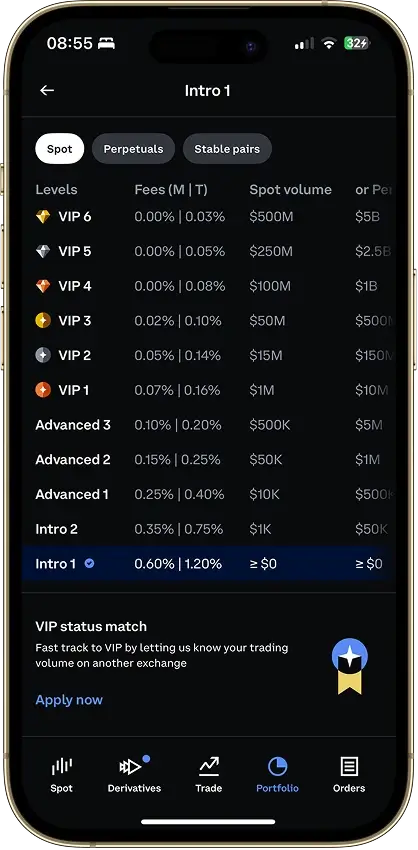
- Global spot starts at 0.08% maker and 0.10% taker
- 422 dated global spot assets
- 0.25% maker / 0.50% taker entry fees
- REST, WebSocket, bots, and subaccounts
- Audited financials and SOC examinations
- All 50 states, Puerto Rico, and D.C.
- REST, WebSocket, and FIX APIs
- Advanced trading with deep tooling
- Strong security and reserve signals
- Broad fiat and product ecosystem
- Crypto alongside securities in one app
- Standard U.S. ACH transfers without fees
- Volume-tiered exchange routing and retail API
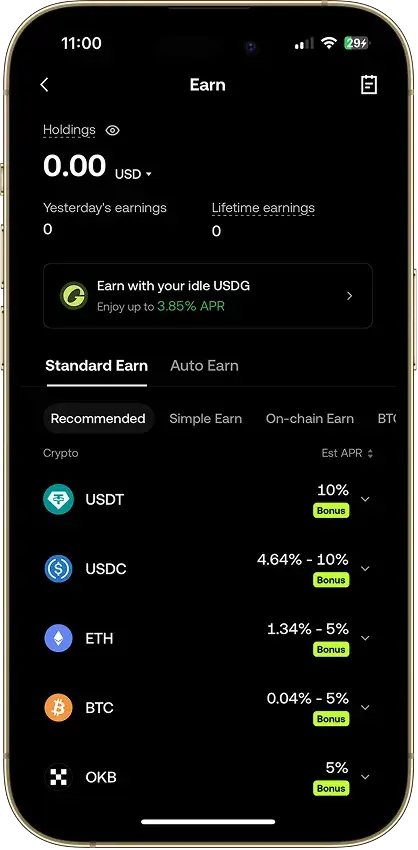
- USDG holding rewards without a lockup
- Volume or asset balance can qualify for VIP
- Platform-wide reserve-verification tools
CryptoSlate may earn a commission when you visit partner sites through links on this page, at no extra cost to you. Our rankings and reviews remain editorially independent and based on our published methodology. Read disclosure
Disclaimer: CryptoSlate may receive a commission when you click links on our site and make a purchase or complete an action with a third party. This does not influence our editorial independence, reviews, or ratings, and we always aim to provide accurate, transparent information to our readers.CryptoSlate's generated order preserves the current Safety Scores and provides a shortlist for further checks. Confirm the serving entity and the controls available inside the intended account. The numbers cannot establish local access or future solvency. Nor can they show how a withdrawal will behave after a password or device change.
Comparison Table
| Name | Total Assets | Products | Staking | Trading fees (low) | Trading fees (high) |
|---|---|---|---|---|---|
 Kraken Kraken | 600 | Spot, Margin, Futures or Perps, OTC, Simple-buy Broker | Yes | 0.00 | 0.80 |
 Bitstamp Bitstamp | 107 | Spot, Futures or Perps, OTC | Yes | 0.00 | 0.40 |
 Coinbase Coinbase | 270 | Spot, Futures or Perps, OTC, Simple-buy Broker | Yes | 0.00 | 0.90 |
 OKX OKX | 300 | Spot, Margin, Futures or Perps, Options, OTC, Simple-buy Broker | Yes | 0.02 | 0.35 |
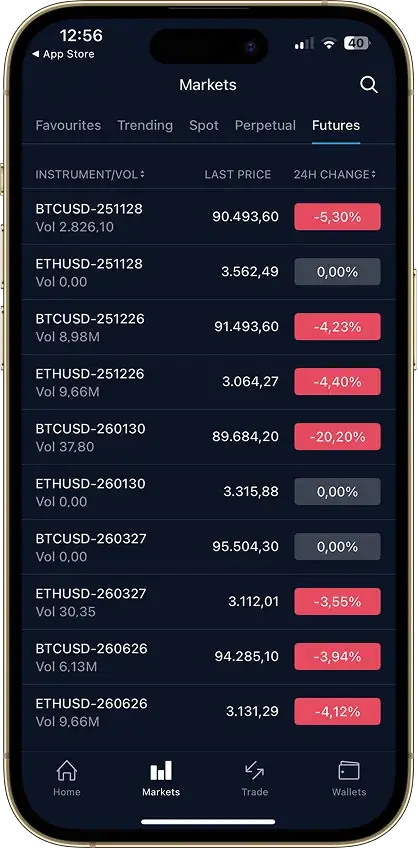
 Crypto.com Crypto.com | 422 | Spot, Margin, Futures or Perps, Options, OTC, Simple-buy Broker | Yes | 0.00 | 0.50 |
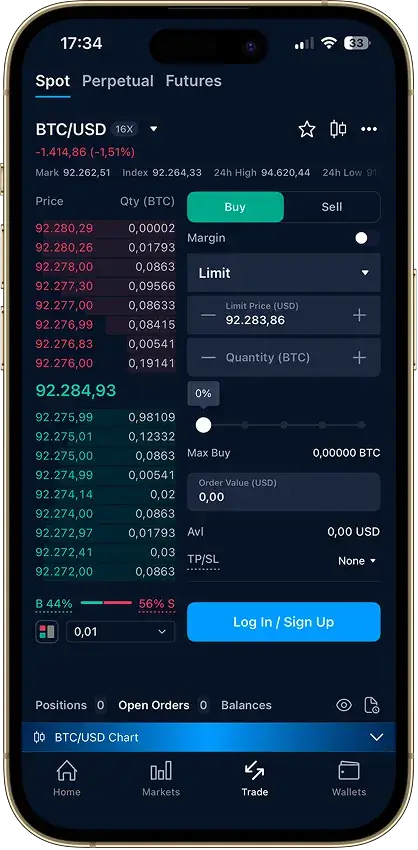
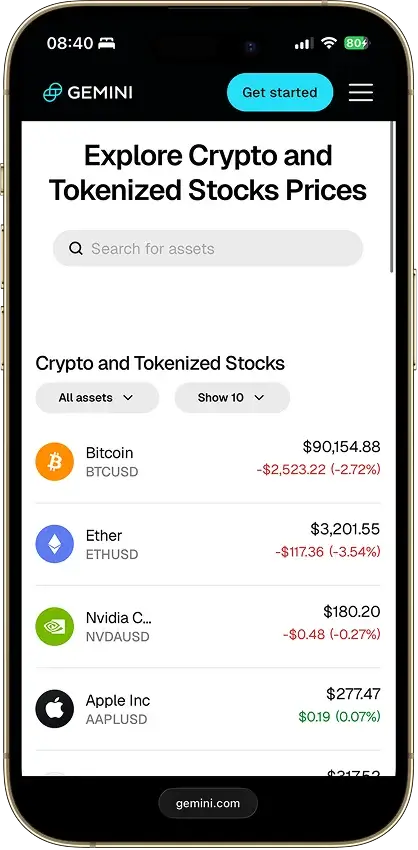
 Gemini Gemini | 99 | Spot, Futures or Perps, OTC, Simple-buy Broker | Yes | 0.00 | 1.20 |
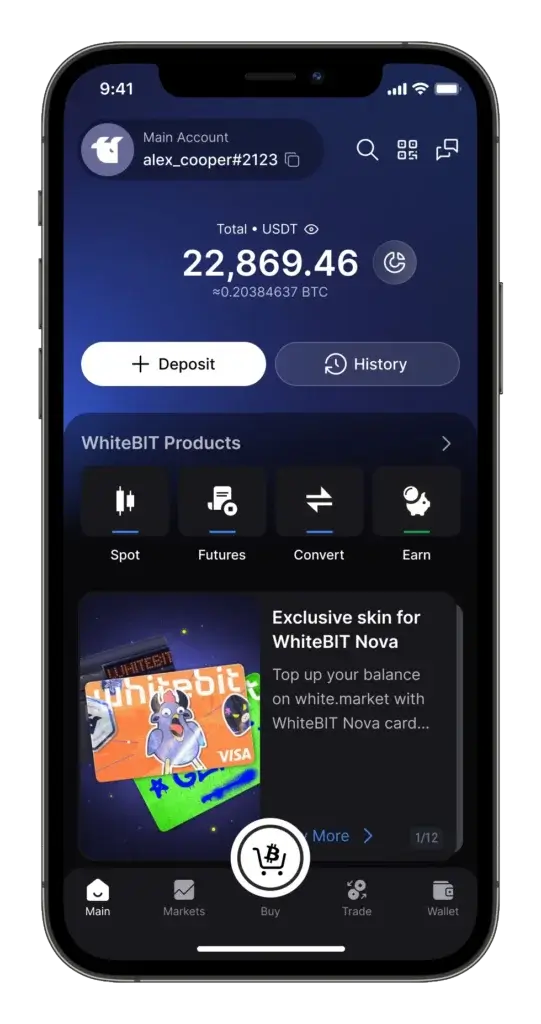
 WhiteBIT WhiteBIT | 330 | Spot, Margin, Futures or Perps, OTC | Yes | — | 0.1 |
 Robinhood Robinhood | 90 | Spot, Futures or Perps, Simple-buy Broker | Yes | 0.00 | 0.95 |
 OKX.us OKX.us | — | Spot, Simple-buy Broker | Yes | -0.005 | 0.35 |
Product counts and fees help assess utility, yet they do not establish safety. A useful safety check needs separate fields for authentication and withdrawal rules. Custody terms and reserve scope belong in their own fields. Solvency evidence and regulatory coverage also require separate treatment. Verify any missing field before treating a row as complete.
Safest Crypto Exchanges Reviews
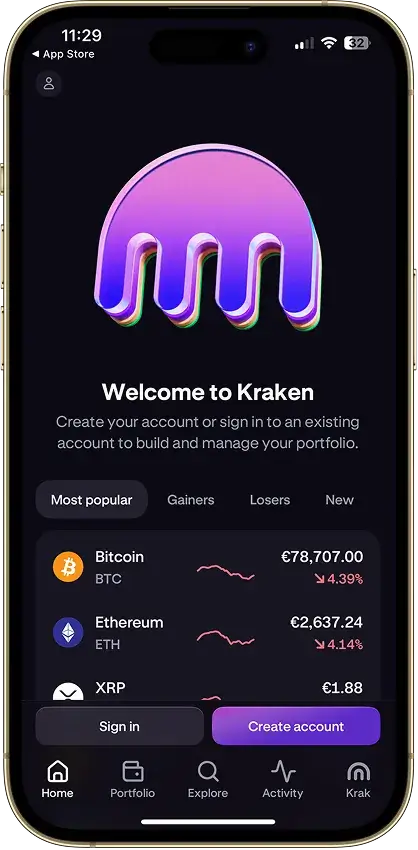
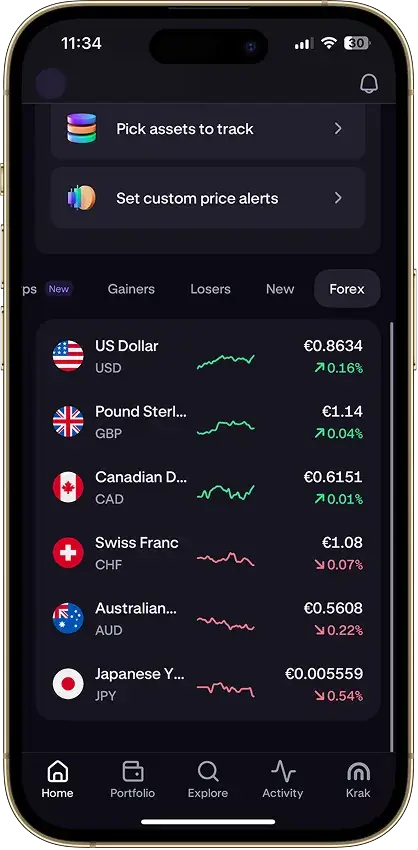
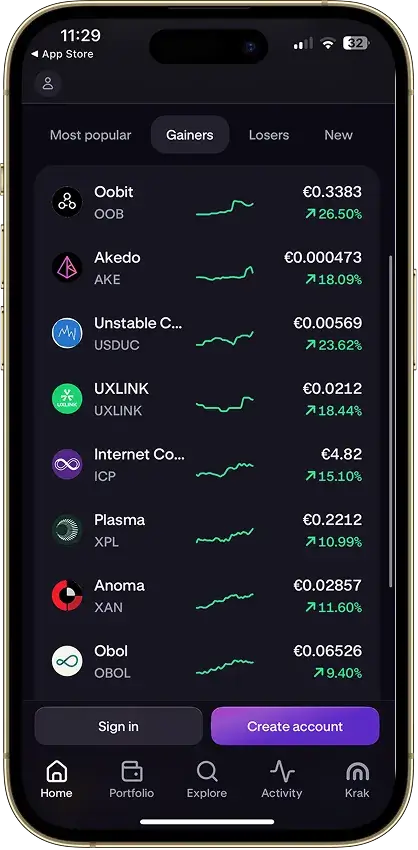
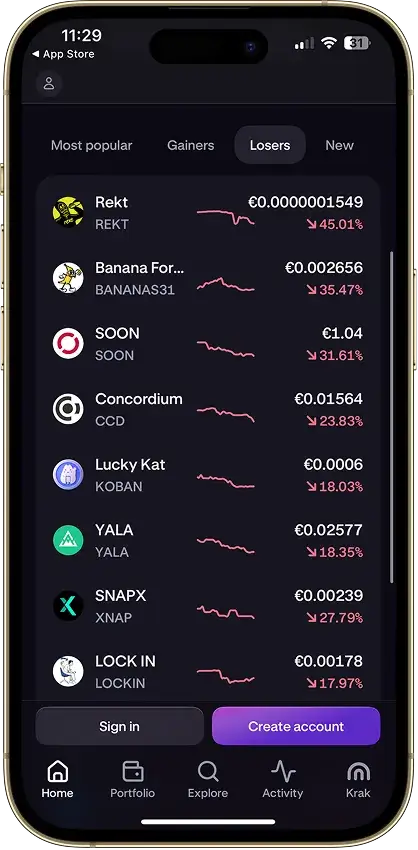
Kraken
Pros
- User-verifiable quarterly reserve inclusion
- Free U.S. ACH withdrawals
- Sixteen U.S. perpetual contracts after checks
- REST, WebSocket, FIX, and futures APIs
Cons
- 0.40% / 0.80% entry Pro fees
- Seven-day hold on Plaid ACH amounts
- No service in New York or Maine
- Card limited to the U.K. and EEA

Bitstamp
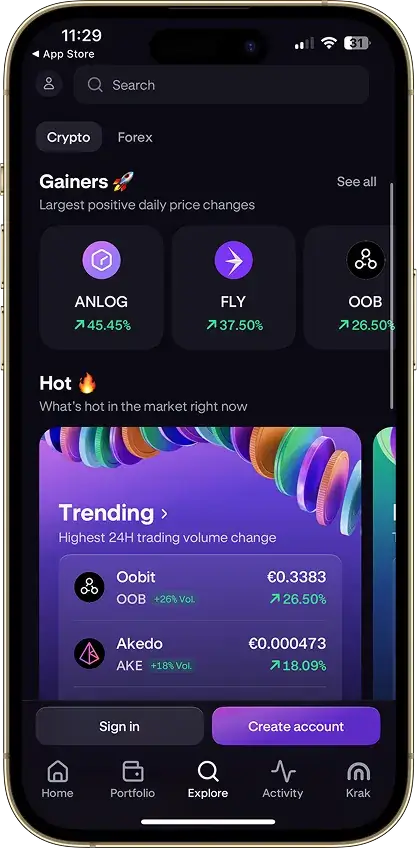
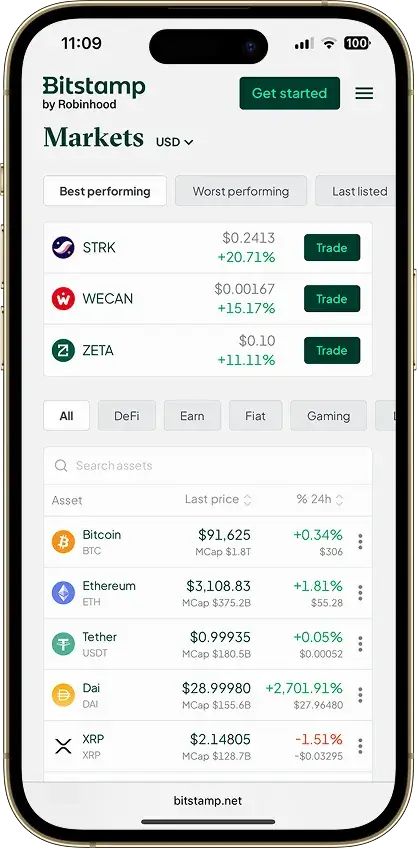
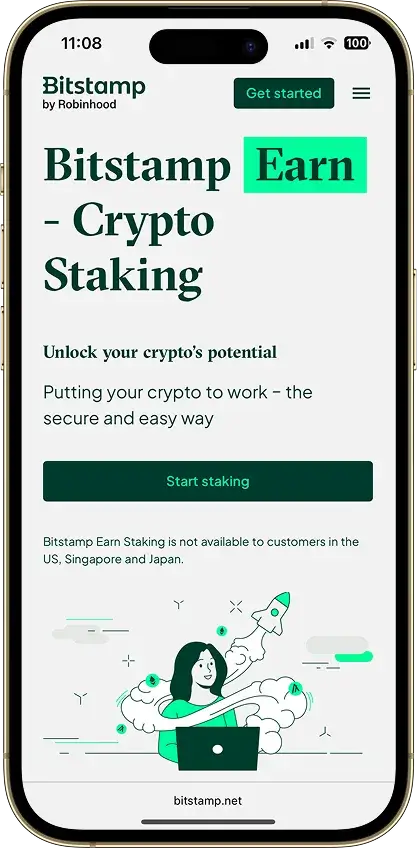
Pros
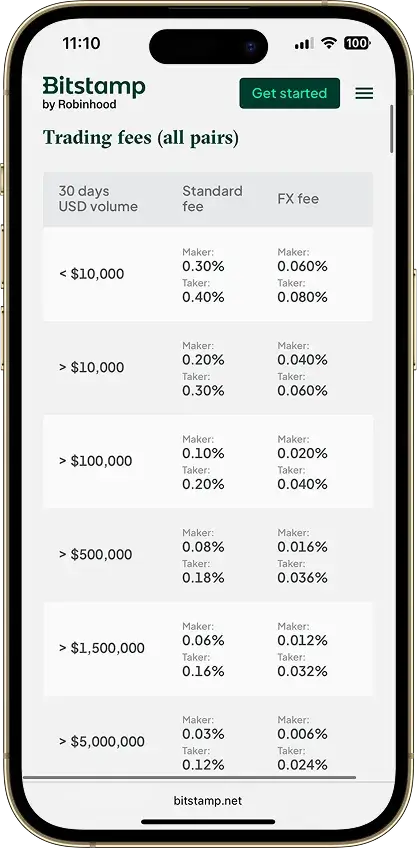
- Free ACH withdrawals, flat €3 SEPA cash-outs
- Fees to 0.00%/0.03%, FastPass from 0.01%
- Per-asset networks shown before login
- ~95% cold storage; BitGo custody + insurance
Cons
- No public proof-of-reserves page confirmed
- Support reputation is a real drag
- Fewer extra products than larger global rivals
- Instant Purchase costs 4% vs order-book path



Coinbase
Pros
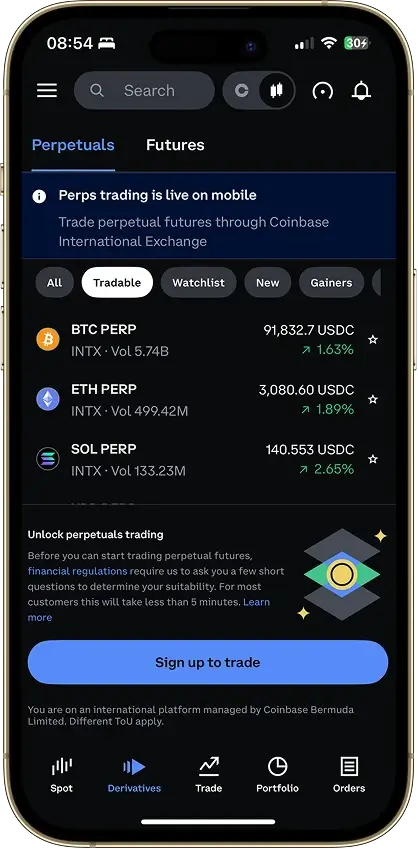
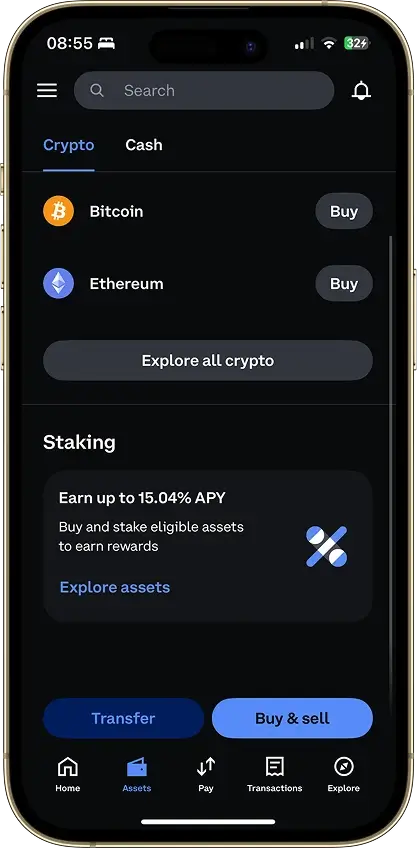
- Free ACH deposits and withdrawals in the U.S.
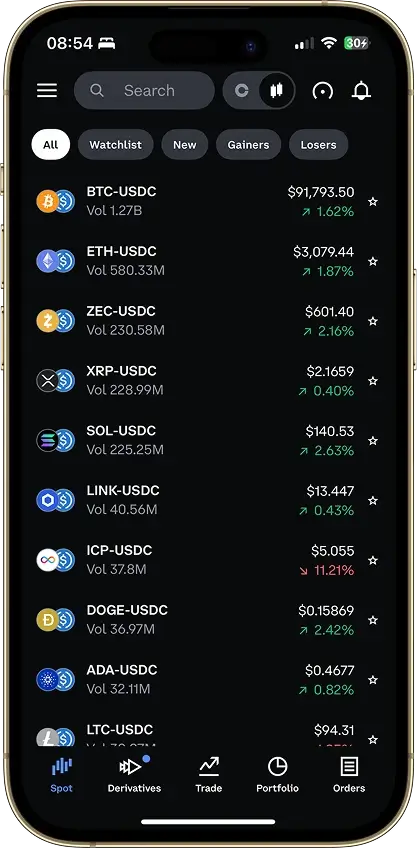
- Centralized spot access across all U.S. states
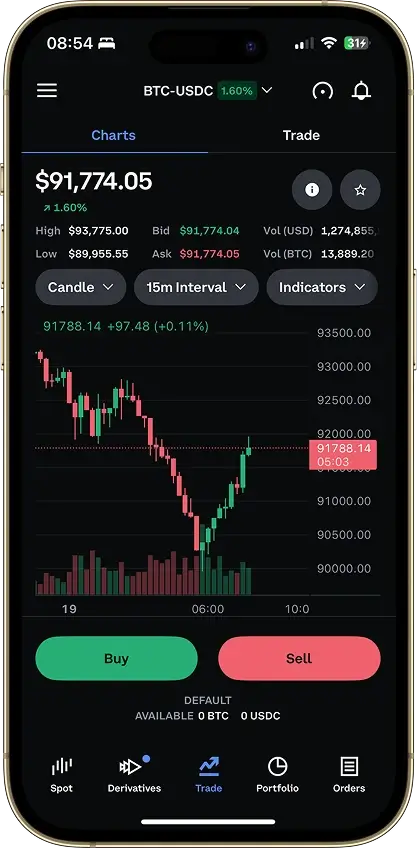
- Simple Buy and Advanced share one balance
- SEC filings and annual financial audits
Cons
- Estimated small Simple Buy cost near 3.5%
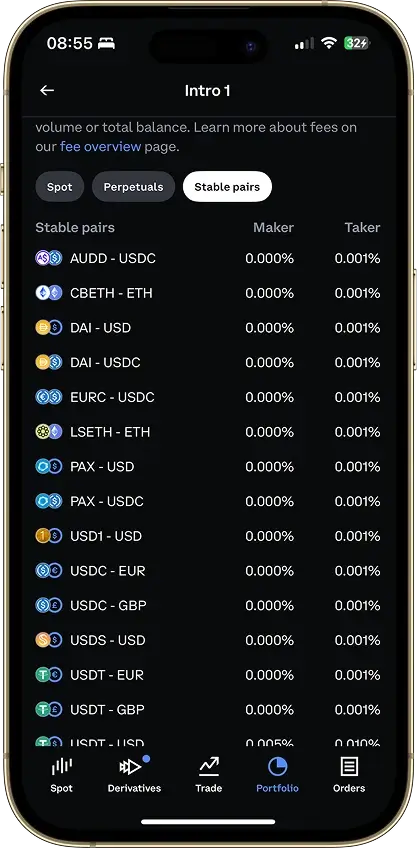
- US Advanced entry taker fee is 0.90%
- No user-verifiable Merkle inclusion
- New staking paused in four U.S. states
OKX
Pros
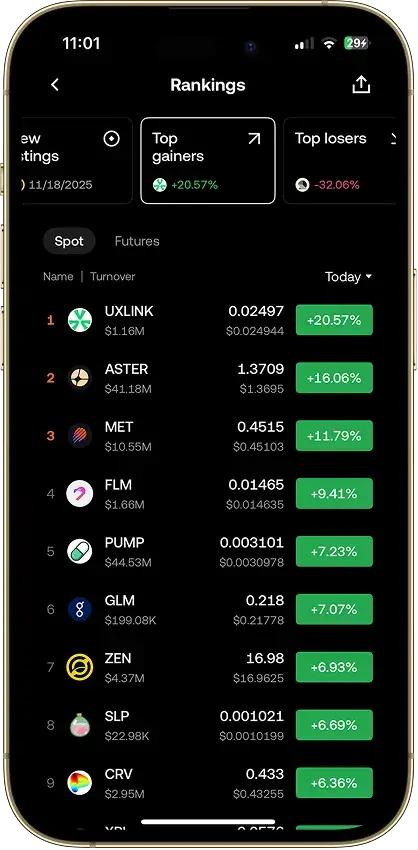
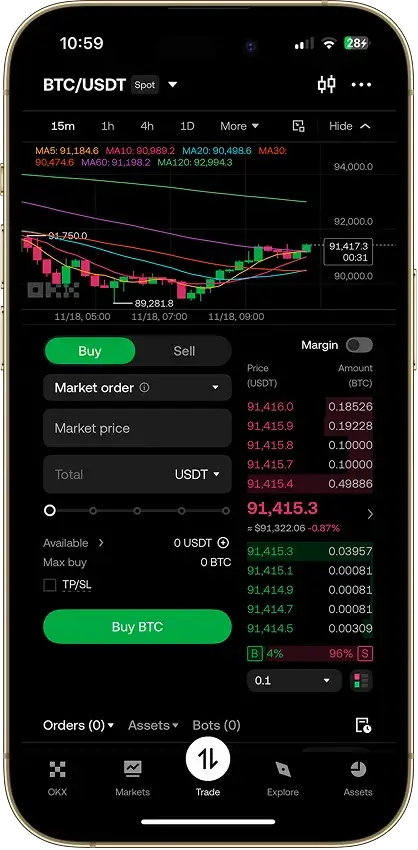
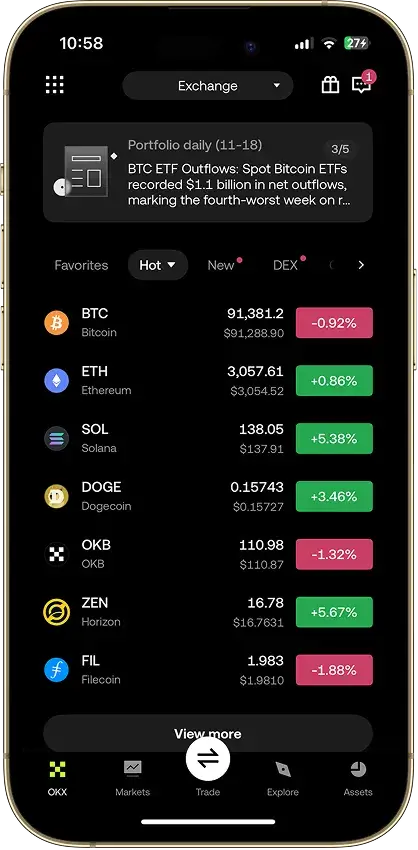
- 0.08% global maker and 0.10% taker fees
- Monthly zk-STARK reserve inclusion
- Margin, futures, perpetuals, and options
- REST, WebSocket, subaccounts, and simulation
Cons
- Global access is blocked in several countries
- Fiat routes depend on region and provider
- No independent reserve attestation
- Product access changes by region
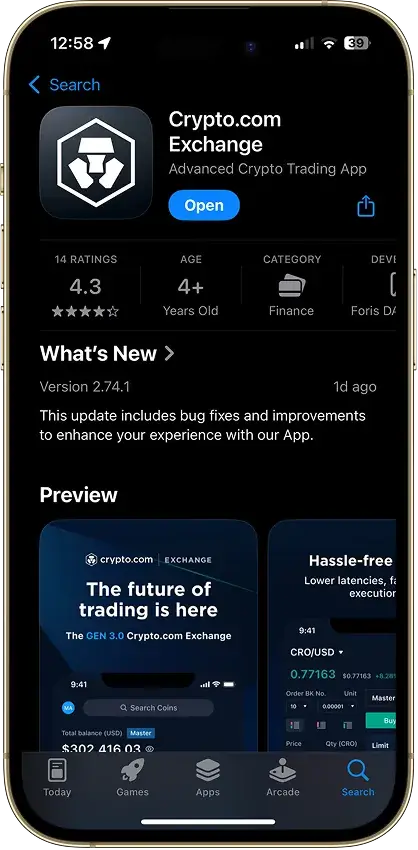
Crypto.com
Pros
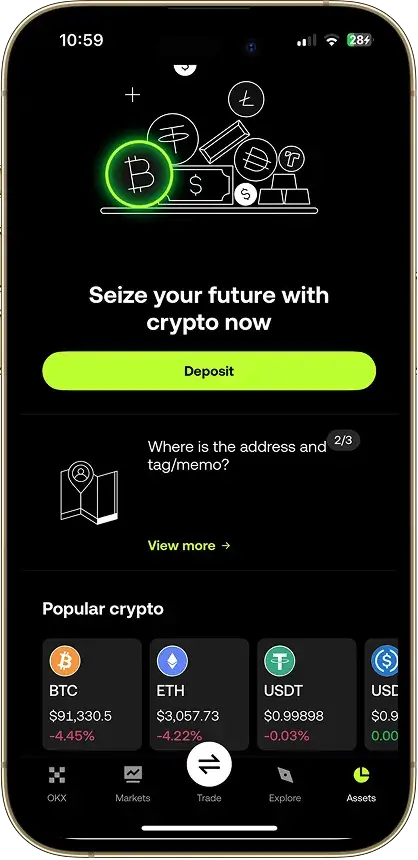
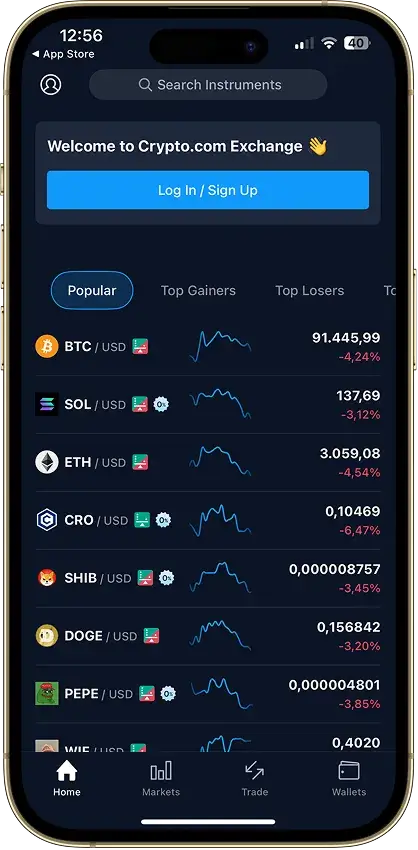
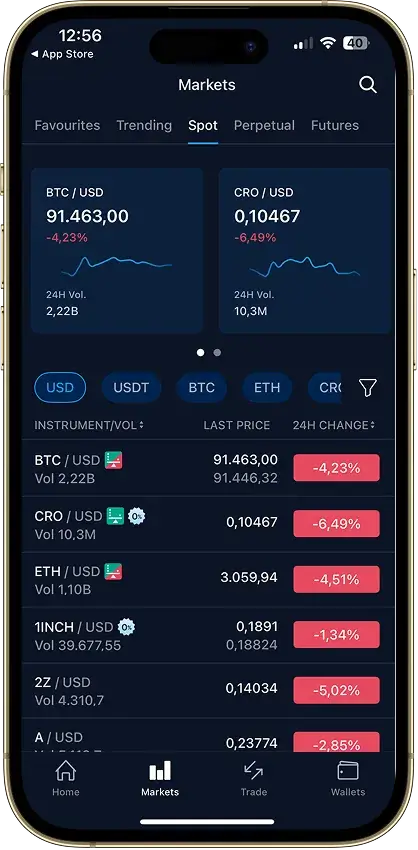
- 422 dated global spot assets
- 0.25% / 0.50% entry spot fees
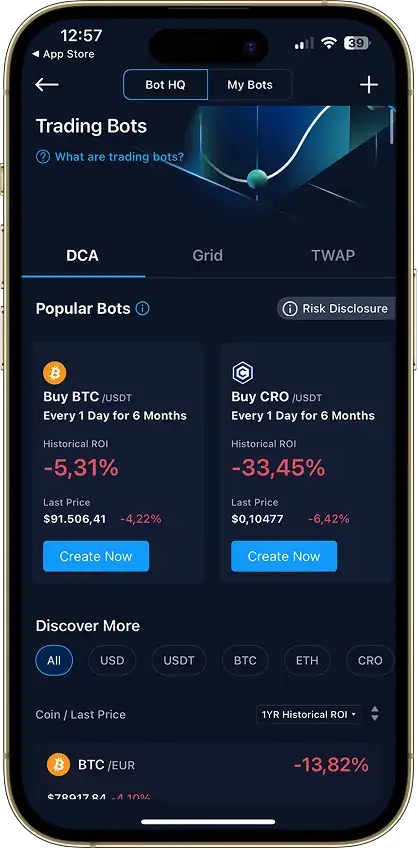
- Built-in DCA and Grid trading bots
- U.S. ACH and Fedwire funding where available
Cons
- Reserve attestation dates to 2022
- U.S. Instant ACH: seven-business-day hold
- No open retail API sandbox
- No pass-through FDIC cover for U.S. Exchange cash
Gemini
Pros
- All 50 states, Puerto Rico, and D.C.
- Audited financial statements through 2025
- REST and WebSocket plus FIX access
- Free U.S. ACH deposits and withdrawals
Cons
- 0.600% / 1.200% ActiveTrader entry fees
- No user-verifiable Merkle reserve proof
- Exchange support relies on form and email
- U.K., EEA, and Australia accounts closed





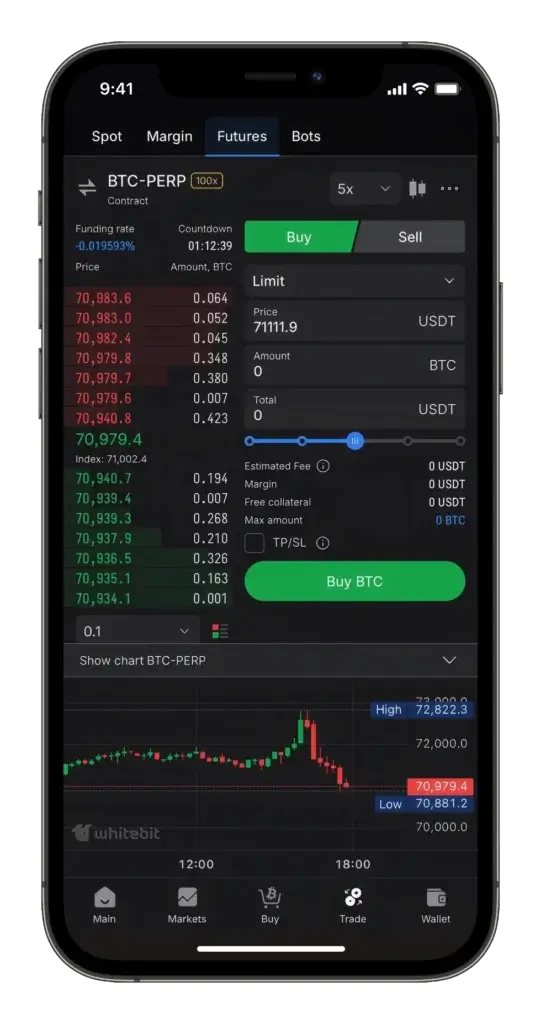
WhiteBIT
Pros
- AAA security, No. 3 on CER.live, zero hacks
- Earn yields up to 22.1% with WBT benefits
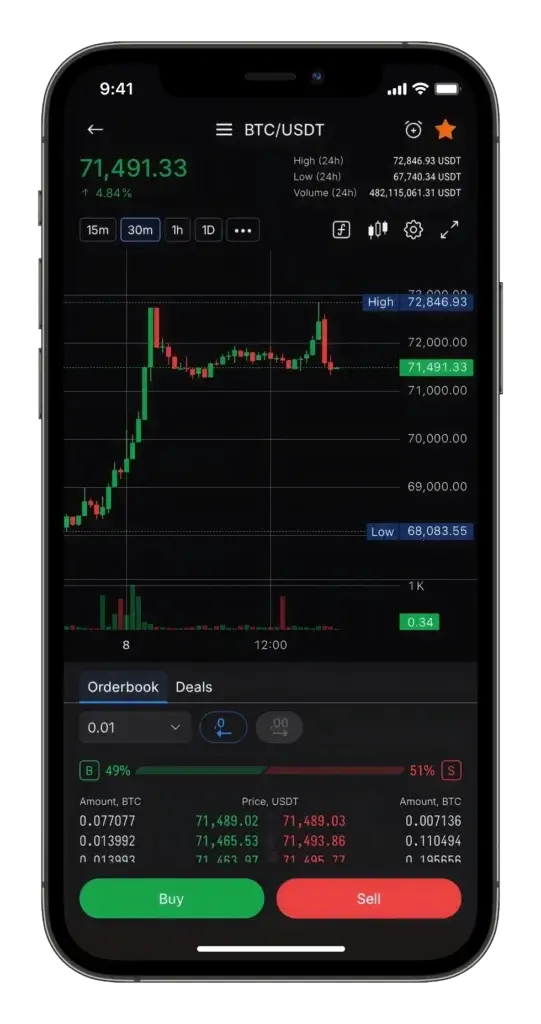
- Advanced tools, APIs, and sub-accounts
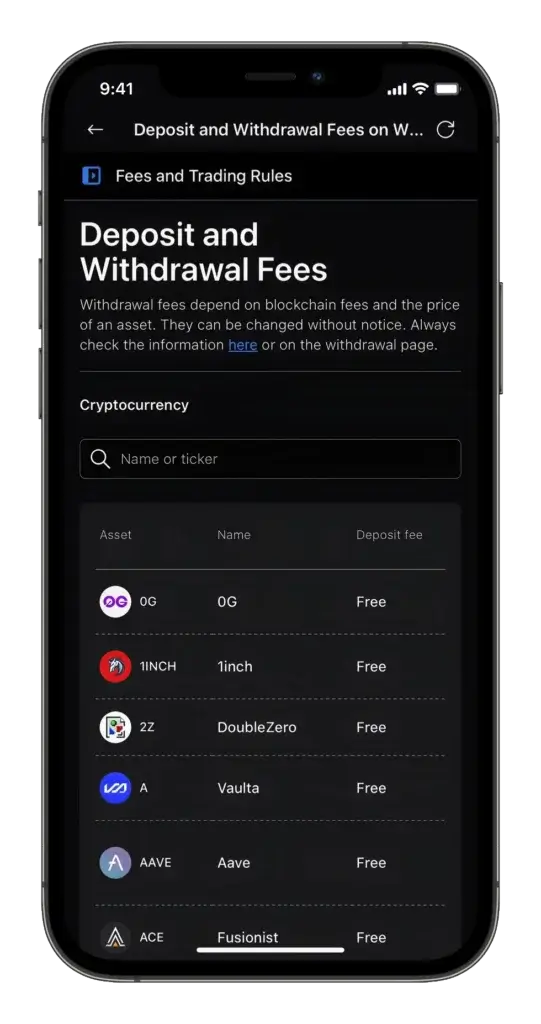
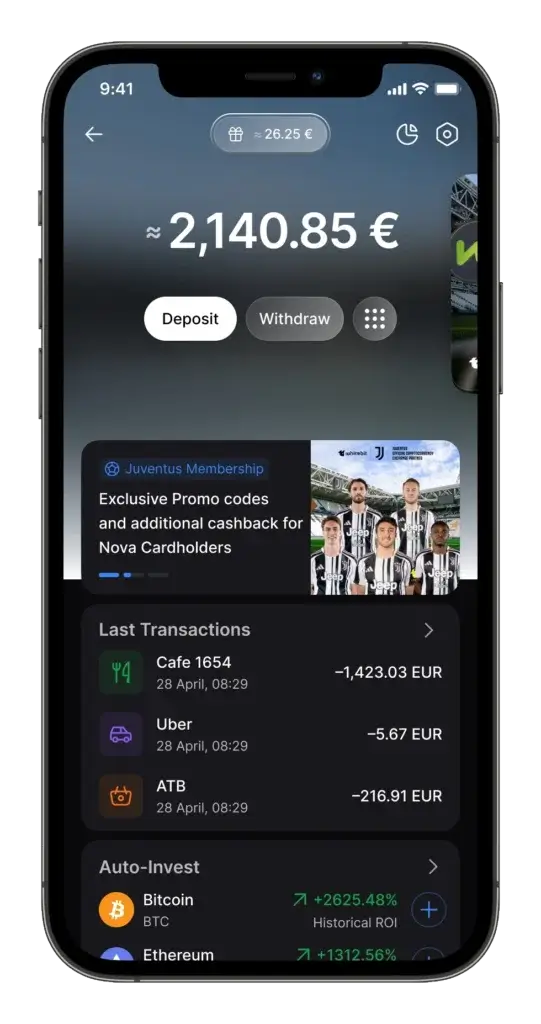
- Nine fiat currencies and flexible payment rails
- WBT perks and utility across Whitechain
Cons
- Licensing details are difficult to verify
- PoR is a snapshot, not a full financial audit
- Limited public uptime and liquidity data
- Complex regional and product restrictions
Robinhood
Pros
- Free standard ACH deposits and withdrawals
- Crypto trading available in all 50 states
- Retail API with account-level permissions
- Listed parent publishes audited financials
Cons
- Entry exchange-routed taker fee is 0.95%
- Market maker compensation sits in the spread
- Staking deducts 25% of rewards
- No public customer reserve-inclusion check





OKX.us
Pros
- Dollar funding by ACH or domestic wire
- REST and WebSocket trading connections
- Pair-specific stablecoin fee exceptions
- Same-account buy, sell, and Convert
Cons
- No service in New York or Texas
- ACH credit can precede withdrawal access
- No private insurance for crypto holdings
- Simple quotes include a spread


Review cards can explain individual features, but every claim has a date and scope. Match security and custody statements to the same legal entity that would hold the account. Treat an incident-history claim as a record over a stated period, never as proof that a future breach or withdrawal failure cannot occur.
How We Rank
Safest Crypto Exchanges uses the Crypto Exchanges scoring rubric.
Cold‑vs‑hot balance, key management (HSM/MPC), incident history, withdrawal controls, client‑asset segregation
Order‑book depth/dispersion, spreads, uptime/SLOs, circuit‑breaker design, incident response
Licensing/registrations (MSB/MTL, FCA, MiCA, AUSTRAC, FSA), governance, compliance record
Maker/taker levels by tier, “instant buy” spread, funding/withdrawal costs, fee transparency
Frequency/scope of attestations, Merkle user‑verifiable liabilities, on‑chain wallet disclosures, auditor independence
Breadth of fiat rails (ACH/SEPA/FPS/wire), settlement speed, geographic coverage
Spot, margin, perps/options, staking/earn, card, OTC, API availability
App stability/performance, accessibility, documentation, support SLAs, incident communication
REST/WebSocket depth, rate limits, sandbox, SDKs, change management and monitoring
Last updated Jan 30, 2026
The checks behind this safety assessment divide exchange risk into six parts. Platform security concerns the systems operated by the company. Account controls cover login and recovery as well as withdrawals. Custody explains who controls assets and what the terms permit. Solvency and transparency address whether financial claims cover both assets and obligations. Regulation always has a named entity and defined activity within a jurisdiction. User operational security covers decisions made outside the platform.
The general cost and account-access framework still applies because a secure service may be unavailable locally or lack the required withdrawal network. A small transaction can also become an expensive route. This page gives safety evidence more attention. Price and product access remain separate decisions, as does usability.
What Makes an Exchange Safer?
No single badge answers the safest-exchange question. Each evidence type covers a different failure path, and a gap in one layer cannot be repaired by an unrelated strength in another.
| Risk Layer | Question to Ask | Evidence That Helps |
|---|---|---|
| Platform security | Can the company prevent, detect, contain, and disclose a systems incident? | Security documentation, independent assurance scope, status history, incident reports, remediation |
| Account controls | Can an attacker change credentials or withdraw after one compromised factor? | Phishing-resistant login, device review, recovery rules, withdrawal allowlists, change delays |
| Custody | Who controls the keys and what can happen to customer assets? | Customer agreement, custodian identity, segregation terms, lending or pledging permissions |
| Solvency and transparency | Do published assets cover the obligations that matter? | Liability scope, wallet control, report date, audited financial information, corporate structure |
| Regulatory scope | Which entity and activity are covered in the user's location? | Regulator record, legal entity, jurisdiction, product permission, complaint route |
| User operations | Can the customer avoid phishing, address errors, and unsafe recovery? | Secure email, tested devices, address verification, small transfer test, offline recovery backup |
A report remains useful only when its date is visible and recent enough for the decision. Marketing terms such as fully regulated and bank-level security have little value unless the company names the control and its standard. The stated scope must be clear too.
Platform Security and Operational Resilience
Platform security covers the infrastructure that stores keys and processes orders. It also covers balance records and transfer approval. Public information may include security architecture and independent control reports. Status history and post-incident explanations add operational evidence. Each item has limits. A certificate shows conformity to its stated scope and date, not immunity from attack.
The useful part of incident history is the company's account of what was affected and whether customer assets were lost. It should also explain how access was restored and which controls changed. An old event followed by a detailed root-cause report and verified remediation can be more informative than silence. Missing disclosure leaves the history uncertain.
Operational resilience includes the ability to process withdrawals and account recovery during stressed markets. A published status page and maintenance notices make that behavior easier to assess. An incident archive adds context. Uptime alone does not show whether users could exit a position or withdraw a specific asset. It also says nothing about access to authenticated support under pressure.
Account Security, Recovery, and Withdrawal Controls
A password and SMS code offer less protection from phishing than a login bound to the genuine domain. NIST's current authentication guidance explains that manually entered one-time codes are not phishing-resistant because an impostor can relay them. Passkeys and hardware-backed methods can reduce that path when implemented correctly.
A protected login can still fail through weak recovery. Review active sessions and new-device approval, followed by the alerts sent after a security change. Check recovery requirements and the treatment of a lost authenticator. Support should not be able to remove controls after a weak identity check.
After a login breach, the decisive question is whether an attacker can alter the withdrawal path before the customer reacts. Useful controls include an address allowlist and a delay after adding a destination. A hold after password or device changes gives another line of defense. Confirm whether these controls are optional or mandatory, then record what happens when every authentication device is lost.
Custody and Customer Asset Terms
Custody starts with the legal company that owes the balance, then follows the assets to any sub-custodian or wallet arrangement. The account agreement should explain whether customer assets are held separately or pooled. It should also disclose any right to lend or pledge them. A cold-storage percentage does not answer those legal questions and may not cover cash or every supported asset.
Ask who authorizes transfers from offline storage and whether the named custodian covers the account's jurisdiction. Check what claim a customer would have if the platform or a sub-custodian failed. Insurance needs a named policyholder and covered event. Its limit and exclusions must also be clear, together with the allocation method. A large headline limit does not show how much, if anything, would reach one customer.
Direct withdrawal access changes the custody profile because it gives the customer a way to end the platform relationship. Verify that the required asset and network are withdrawable, then record the minimum and fee. Add the approval controls and any cool-off period. Readers evaluating self-custody wallet options should document access and backup procedures. They should also define signing authority and recovery without depending on one device or one person.
Proof of Reserves, Solvency, and Transparency
Proof of reserves can show that selected wallets held selected assets at a point in time. Its value depends on whether users can verify inclusion, whether the platform demonstrates control of the wallets, which assets and entities are covered, and whether customer liabilities appear in the same exercise. A report that answers only the asset question cannot establish solvency.
The PCAOB's proof-of-reserves advisory describes these reports as limited. A reserve snapshot is not a financial-statement audit, and its assurance may cover only procedures agreed with the company. Read the provider's wording and report date. Then inspect exclusions and liability treatment before drawing a conclusion.
Obligations outside customer balances also affect solvency. Debt and related-party exposure may sit beyond a reserve page. The same applies to legal claims and guarantees. Audited financial statements can add information when the reporting entity matches the customer-facing company, although an audit still does not guarantee future solvency. Transparency reduces unknowns without removing risk.
Regulation and Legal Entity Scope
A regulatory record applies to a named entity conducting a defined activity within one jurisdiction. It may cover custody or payment services while leaving another service outside the same framework. Match the company in the account agreement to the regulator's record and confirm that the intended product is included.
IOSCO's crypto-market recommendations treat custody and asset segregation separately from conflicts and operational risk. Retail distribution and cross-border cooperation form additional areas. Registration can improve accountability and provide a complaint route, but it is not a certificate of solvency or a promise that every customer asset will be returned.
Cross-border platforms often use more than one legal company, so a license held by a parent or affiliate may not govern the account shown during signup. Record the serving entity and governing law before depositing. Add the regulator and dispute process. Recheck them after a migration notice or new set of terms because practical protections may change without a visible name change.
User Operational Security and Self-Custody
User operational security begins at the handoff between platform controls and customer action. Mark which events the platform can still block. A new-device login and reset request belong on that list. So do a destination change and withdrawal. Anything that becomes irreversible after customer approval needs a separate verification step beforehand. This boundary reveals more than a generic security badge.
Create a clean route into the account and a separate route for recovery. A bookmarked domain and dedicated email reduce reliance on links received in messages. Add a phishing-resistant factor where available. Review active sessions and alerts on a set schedule. Treat unexpected support contact or a recovery request you did not start as an incident. Enter through the saved address and restrict withdrawals if possible. Preserve the event record.
Treat self-custody as a transfer of control whose value depends on the holder's procedure. Write down who can authorize a transaction and restore a lost device. Define how a malicious approval would be detected and how assets would be recovered after death or incapacity. The procedure should isolate failures so one stolen device or damaged backup cannot destroy both access and recovery. Without a workable procedure, moving assets may replace a documented company risk with an unmanaged personal one.
How to Choose a Safer Crypto Exchange
Start by testing how the account contains and reports a security event. A normal deposit and withdrawal shows that the transaction route works. It says little about a hijacked session or weak support reset. It also says nothing about an unavailable custodian. Build a failure-path file before relying on the account for a material balance.
- Save the serving entity and governing terms. Add the relevant regulator record.
- Activate the best available login factor and store backup access separately.
- Review active sessions and close one deliberately. Confirm that the expected alert arrives.
- Record the recovery evidence required after every authenticator is lost.
- Configure a withdrawal allowlist and note the delay for a new destination or security change.
- Map the custodian and segregation terms. Note any permission to lend or pledge assets.
- Match reserve evidence to the same entity. Record its date and compare asset scope with liability scope.
- Set a balance ceiling and define what event would trigger withdrawal or account closure.
The completed file should show whether prevention and detection are both represented. It should also cover containment and recovery. Any missing stage becomes a specific uncertainty instead of a general impression. Repeat the check after an entity migration or material terms change. A security incident and recovery-policy update also warrant a new review. A routine withdrawal may still be useful, but it should not stand in for this safety assessment.
Centralized or Decentralized: Which Risk Changes?
Centralized and decentralized trading systems create different dependencies. A custodial platform can offer account recovery and fiat access, with controlled withdrawals, while exposing the customer to company and custody risk. A wallet-connected protocol removes the exchange balance but adds contract and approval risk. Routing and key management remain with the user.
| Question | Centralized Account | Wallet-Connected Trading |
|---|---|---|
| Who controls assets before a trade? | The platform or its custodian | The wallet holder until a transaction is signed |
| Main external dependency | Company systems, custody, and legal entity | Smart contracts, interface, routing, and network |
| Recovery | May include identity-based account restoration | Usually depends on the holder's key backup |
| Transaction reversal | Platform may review an internal action before transfer | A confirmed onchain transaction is generally irreversible |
| Main user check | Login, recovery, withdrawal, and custody terms | Contract address, approvals, slippage, token, and network |
The safer model depends on which failures the customer can prevent and recover from. Someone who cannot secure a recovery phrase may prefer the guardrails of a custodial account. A customer who can manage keys may reduce long-term counterparty exposure through self-custody.
How Much Crypto Should Stay on an Exchange?
The purpose of a balance determines how much needs immediate platform access. Funds needed for near-term orders may stay available for trading, while long-term holdings do not gain the same benefit. Separate working capital from assets with no current trading role, then set a withdrawal routine for the excess.
A large balance turns a tolerable delay into a material loss of access. Customers who keep meaningful amounts on-platform should review entity and custody terms more often. Recovery rules deserve the same attention. Avoid relying on one company for every trade and record, as well as the only withdrawal path.
New users can review account checks for first-time buyers before funding. For the safety decision, set an on-platform ceiling by consequence. Decide how much temporary loss of access would be manageable without disrupting another obligation or forcing a sale. Keep independent records and a known support route so a locked account or disputed transfer does not also remove the evidence needed to explain it.
Warning Signs Before Depositing
Stop and investigate when the company serving the account is unclear or its terms conflict with the marketing page. An unconfirmed withdrawal route is another reason to wait. Reserve material should state its date and liability scope. A regulator record must belong to the same entity, and support should never move the conversation to an unsolicited private channel.
A security badge without a scope is incomplete. The same is true of an insurance figure without policy terms or an incident-free claim without a stated period. Pressure to deposit before verification is another warning sign. Leave the account unfunded until each material uncertainty has an answer.
FAQ
What is the safest crypto exchange?
No platform is permanently safest for every user because the account and jurisdiction can change the result. The transaction and holding period matter too. Compare platform security with login and withdrawal controls. Review custody terms separately from reserve and solvency evidence. Then confirm regulatory scope and identify which security failure would be hardest to contain or recover from.
How can I tell whether a crypto exchange is secure?
Check what the platform discloses about systems security and incident response, then inspect the controls available inside the account. Prefer a phishing-resistant login and active-device review. Security-change alerts and withdrawal allowlists add protection, as do delays for new destinations. These controls reduce account risk, but custody and solvency still require separate review alongside legal protections.
Does proof of reserves make an exchange safe?
Proof of reserves may show selected assets held at a stated time, depending on the report's scope and verification method. It may omit liabilities or related-party obligations. Excluded assets and the financial position of the serving company can also fall outside the exercise. Read the date and liability coverage, then inspect wallet-control evidence and assurance wording.
Is a regulated crypto exchange always safer?
Regulation can add conduct rules and supervision, as well as a complaint route. The record must match the customer's legal entity and jurisdiction, then cover the intended product. A registration for one activity does not cover every service under the same name. It cannot guarantee solvency or prevent a cyber incident, and it may not protect every customer asset.
Is it safe to leave crypto on an exchange?
An exchange can be practical for a working balance used for near-term trades, but keeping assets there adds custody and company risk. Account compromise and withdrawal failure create separate paths to loss. Long-term holdings receive less benefit from immediate platform access. Match the balance to its purpose, test withdrawals, and move excess funds only to storage you can operate safely.
Are decentralized exchanges safer than centralized exchanges?
They remove one major risk when users retain control of assets until signing, but they create others. Wallet compromise and malicious approvals can replace exchange-custody risk. Contract defects and routing errors add further exposure, while confirmed transactions may be irreversible. Centralized platforms add company dependence but may offer recovery and withdrawal controls. The safer model depends on what the user can manage consistently.
Which account security features matter most?
Phishing-resistant authentication, such as a properly implemented passkey or hardware-backed factor, reduces the risk of relayed login codes. Device and session review add protection after login. Security-change alerts and withdrawal allowlists help contain a compromise, as can a delay after an account change. Recovery rules matter because a weak support reset can bypass effective controls.
What should I test before making a large deposit?
Before a material balance depends on the account, enable the best available login factor and inspect active-session controls. Check security alerts and withdrawal destination rules separately. Document how recovery works after every authenticator is lost, and whether a support reset triggers a delay. Match custody and reserve evidence to the serving entity. Set a balance ceiling and incident exit trigger before funding.
This page provides general information and is not personal financial or legal advice. Crypto assets can lose value. Security controls reduce specific risks but cannot eliminate platform or custody failures. Solvency, regulatory, transfer, and user-error risks also remain.

