

The best crypto exchange for day trading depends on how you trade, where you live, and which tools you actually need. Some traders want deep spot and perp liquidity, advanced order types, and low maker-taker fees on a centralized exchange. Others want wallet-based execution, direct access to onchain markets, and faster exposure to DEX and memecoin flows.
This guide compares both sides of the market. It looks past sign-up ease and headline fees to the details that shape real intraday trading, including liquidity, spreads, slippage, order controls, app quality, and product availability by region.
Centralized exchanges still make the most sense for traders who want bank rails, structured interfaces, and broader account features. Onchain venues belong here too because self-custody, faster token access, and wallet-native perp flow matter to a different slice of active traders.
Top Crypto Exchanges For Day Trading
- Licensed US relaunch with clear PoR
- Wallet and exchange under one login
- Deep global toolset for bots and copy trades
- 0% maker fee on all spot pairs, for every user
- FinCEN MSB and state money-transmitter licensed
- IRS 1099 tax reporting built in
- User-verifiable Merkle proof of reserves
- Among the lowest pro fees in the US
- No customer-fund hack since 2011
- Low, published spot and perps fees with VIP tiers
- Perpetuals and USDC options with advanced order controls
- Monthly proof of reserves with user‑verifiable Merkle checks
- Advanced trading with deep tooling
- Strong security and reserve signals
- Broad fiat and product ecosystem
- US-listed public company (NASDAQ: COIN)
- ~98% of crypto held in cold storage
- US-regulated perpetual futures
- Derivatives and copy trading are core products.
- Spot fees start at 0.1% maker/taker, or 0.08% with BGB fee deduction.
- USDT withdrawals support several low-cost networks.
- $750M+ cold-storage asset insurance
- ISO, SOC 2, and PCI DSS certified
- Visa card rewards via CRO staking
Kraken is the strongest all-round CEX pick in this group. Hyperliquid and Jupiter are the two onchain names that matter most for pure trading flow. Raydium and PancakeSwap belong on the page because chain-native traders still use them aggressively, but they are narrower fits than the main CEX leaders or Hyperliquid. The rest of the field still matters, and it sits in CryptoSlate’s broader crypto exchange rankings.
Best Platforms By Use Case
Kraken, OKX, Coinbase Advanced, and Bybit cover most centralized day-trading needs. Hyperliquid and Jupiter define the on-chain side more clearly than the other DEX-style names in this mix.
| Category | Top Pick | Other Strong Options | Why It Leads |
|---|---|---|---|
| Best Crypto Exchange For Day Trading Overall | Kraken | OKX | Kraken is the most balanced choice across security, trading workflow, bank rails, and pro-level execution. |
| Best Crypto Exchange For Day Trading In The U.S. | Coinbase Advanced | Kraken | Coinbase Advanced is the cleanest U.S. route into active trading, especially when USD funding and familiar interface design matter most. |
| Best For Day Trading Crypto For Beginners | Kraken | Coinbase Advanced | Kraken gives newer traders a better long-term path once lower fees, limit orders, and real trading workflow start to matter. |
| Best Crypto Day Trading With Low Fees | OKX | Binance | OKX stays near the top for low-cost active trading outside the U.S., while Binance remains highly competitive on base spot pricing. |
| Best App For Crypto Day Trading | OKX | Crypto.com Exchange | OKX gives active traders more control on mobile, while Crypto.com feels cleaner for users who want trading and account management in one app. |
| Best Platform For Advanced Trading Tools | Bybit | OKX | Bybit stands out for derivatives-led execution, copy trading, and a workflow built around active traders. |
| Best Onchain Platform For Day Trading Crypto | Hyperliquid | Jupiter | Hyperliquid is the strongest fit for onchain perp execution, while Jupiter is better for fast Solana spot rotation and routing. |
| Best Platform For Bots Or Copy Trading | Bybit | Binance, Crypto.com Exchange | Bybit puts automation and copy trading closer to the center of the product than most rivals in this list. |
Raydium and PancakeSwap still belong in the wider conversation, but they fit narrower use cases. Raydium makes more sense when the trading day is centered on Solana-native flows. PancakeSwap is stronger when BNB Chain liquidity, limit-style execution, and wallet-first perp access matter more than bank rails or a conventional exchange account.
The rows with CryptoSlate scores are already fully reviewed on the site. Jupiter, Raydium, and PancakeSwap are included as operationally relevant onchain entries, but they should stay labeled as overview rows until their full reviews are live.
Comparison Table
| Name | Total Assets | Products | Staking | Trading fees (low) | Trading fees (high) |
|---|---|---|---|---|---|
 OKX OKX | 295 | Spot, Margin, Futures or Perps, Options, OTC, Simple-buy Broker | Yes | 0.02 | 0.35 |
 Binance.US Binance.US | 190 | Spot | Yes | 0 | 0.02 |
 Kraken Kraken | 500 | Spot, Margin, Futures or Perps, OTC, Simple-buy Broker | Yes | 0.00 | 0.40 |
 Bybit Bybit | 350 | Spot, Margin, Futures or Perps, Options, OTC, Simple-buy Broker | Yes | 0.00 | 0.10 |
 WhiteBIT WhiteBIT | 330 | Spot, Margin, Futures or Perps, OTC | Yes | — | 0.1 |
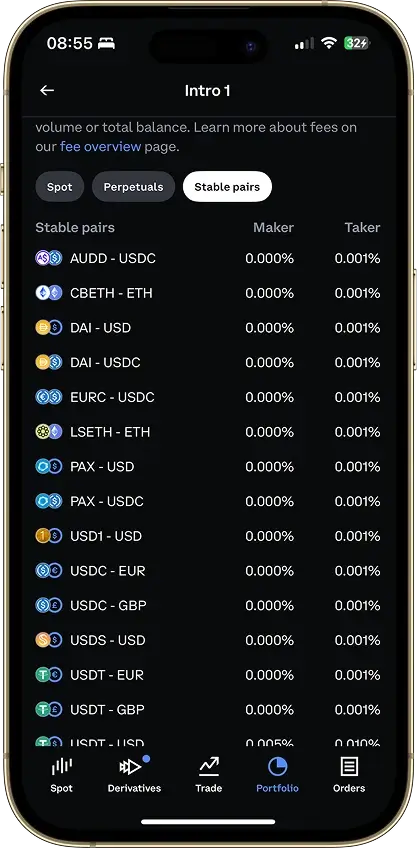
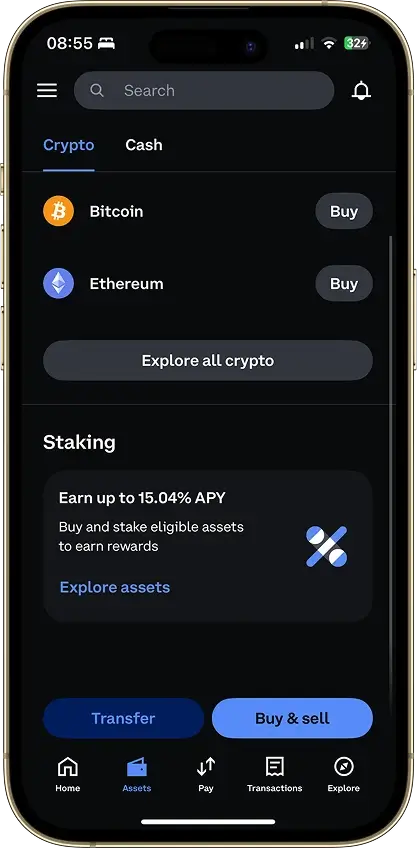
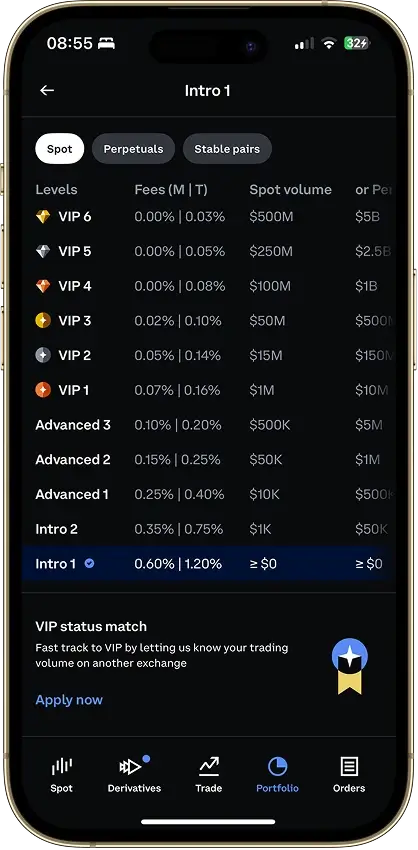
 Coinbase Coinbase | 270 | Spot, Futures or Perps, OTC, Simple-buy Broker | Yes | 0.00 | 0.60 |
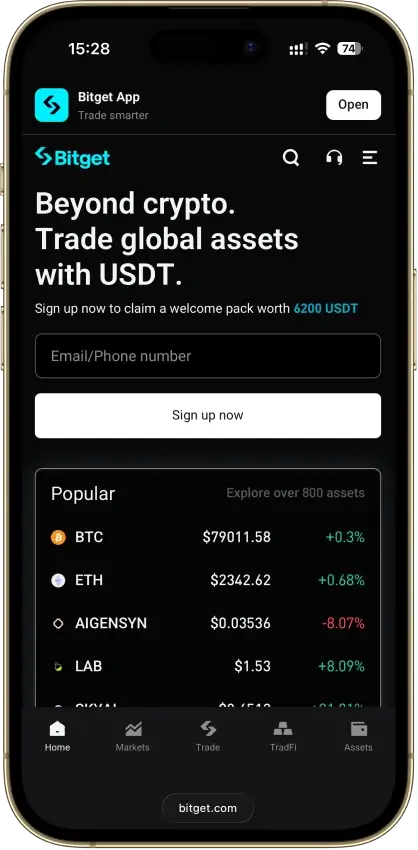
 Bitget Bitget | 600 | Spot, Margin, Futures or Perps, OTC, Simple-buy Broker | Yes | 0.00 | 0.10 |
 Crypto.com Crypto.com | 438 | Spot, Margin, Futures or Perps, Options, OTC, Simple-buy Broker | Yes | 0.00 | 0.50 |
Kraken, Binance, OKX, Bybit, and Coinbase Advanced are still the core day-trading group for most users. Hyperliquid, Jupiter, and Raydium matter more when self-custody and onchain execution come first. Uphold belongs in the wider table for completeness, but it is an edge-case fit for this page rather than a central recommendation.
Crypto Exchanges For Day Trading Reviews
OKX
Pros
- US entity licensed in 48 states plus Puerto Rico
- Free ACH deposits, plus wire & debit-card funding
- Monthly zk-STARK proof of reserves you verify
- On-chain staking for US users: ETH, SOL, ADA+
Cons
- No derivatives, margin or futures; NY & TX out
- Too many surfaces for simple buy-and-hold
- Card and checkout fees vary and lack clarity
- Account reviews can freeze funds for days
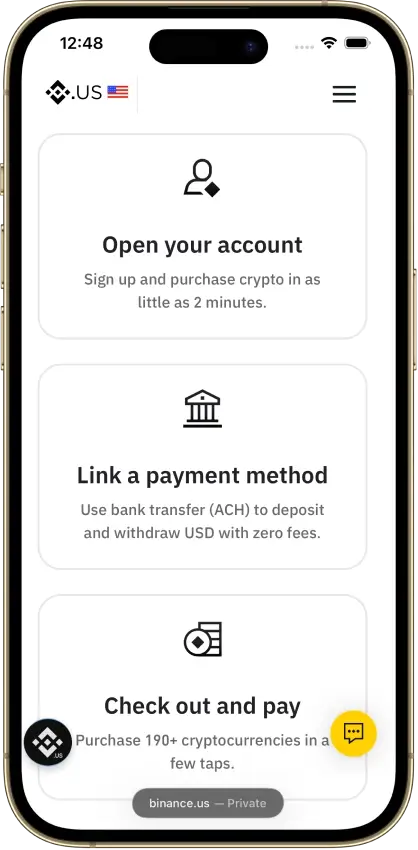
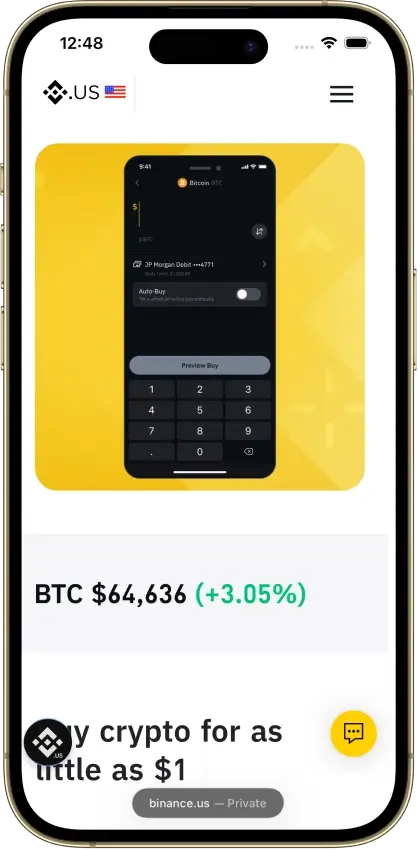
Binance.US
Pros
- Taker fees to 0.02%+ from trade one, no minimums
- Zero-fee ACH both ways since USD return Feb 2025
- Issues Form 1099-DA, so spot is pre-reported
- REST & WebSocket APIs follow Binance conventions
Cons
- No futures, options, or margin trading
- Not available in NY, TX, WA, OH, OR & more
- No user-verifiable proof of reserves
- High account-freeze complaint volume


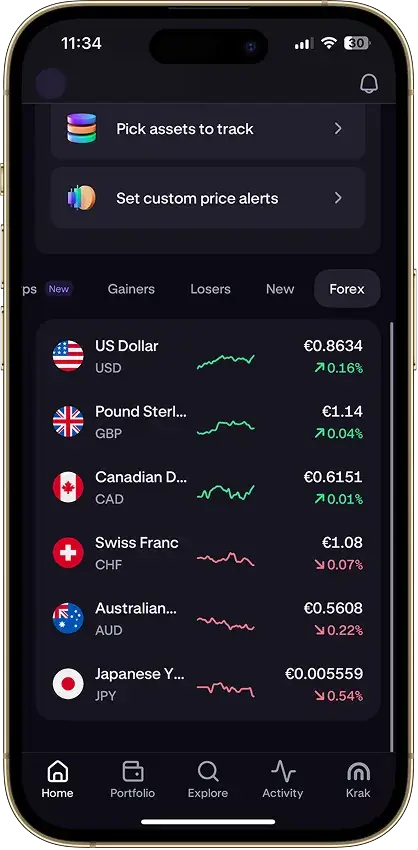
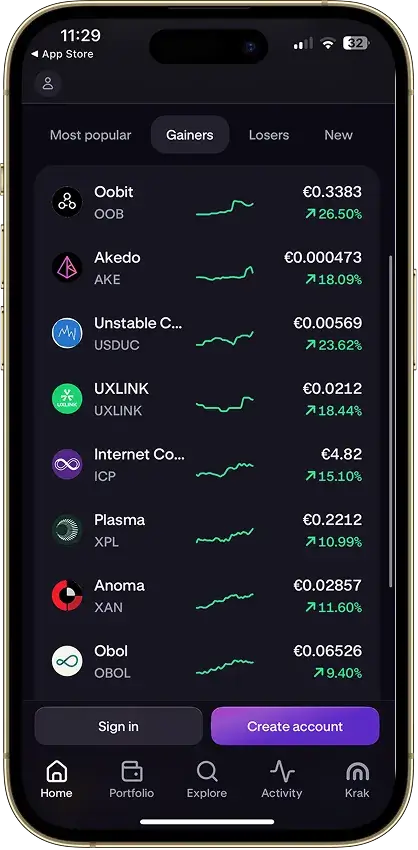
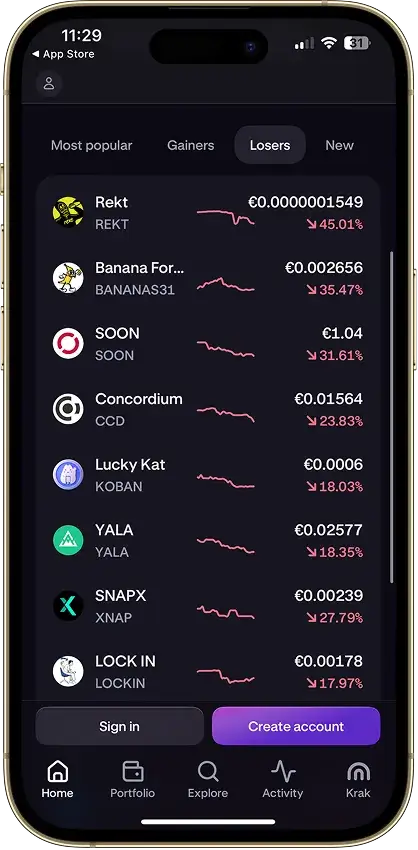
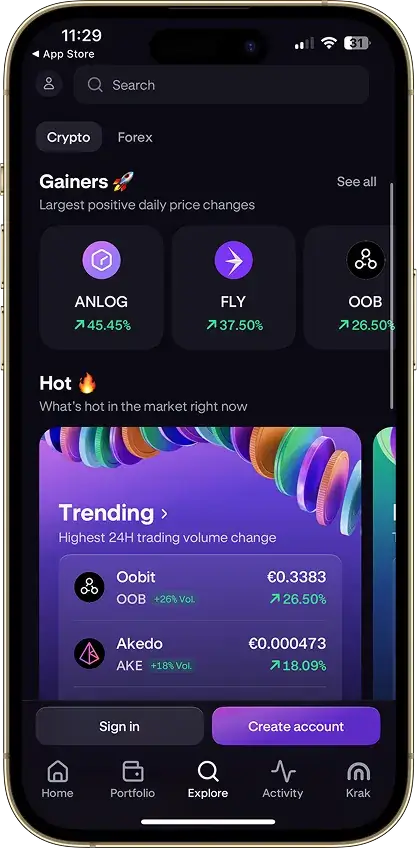
Kraken
Pros
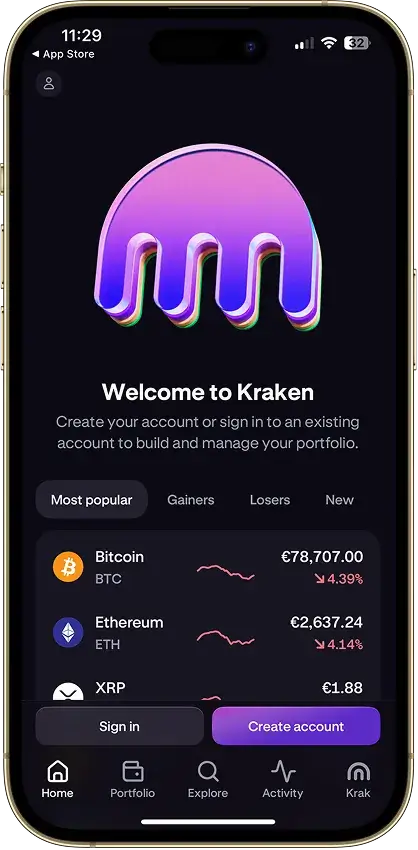
- User-checkable Merkle proof of reserves
- Kraken Pro fees undercut most US rivals
- 14 years with no customer-fund hack
- 24/7 live chat for routine issues
- Wyoming bank charter for legal clarity
Cons
- Long holds on ACH and new addresses
- Pro interface is steep for beginners
- Account closures can lack a stated reason
- Staking limited to select US states
Bybit
Pros
- Low, transparent fee schedule on spot, perps, and options with VIP discounts
- Advanced suite: perps, USDC options, copy trading, bots, and OTC
- Fast crypto withdrawals with instant processing windows
- Ongoing proof of reserves with user‑side verification
- Broad P2P and card coverage for on‑ramping in many countries
Cons
- Unavailable in major markets (U.S., U.K., Canada, Singapore, and others)
- Fiat rails depend on third‑party providers and vary by country
- High leverage raises risk for new traders
- Card and some Earn products limited to specific regions
WhiteBIT
Pros
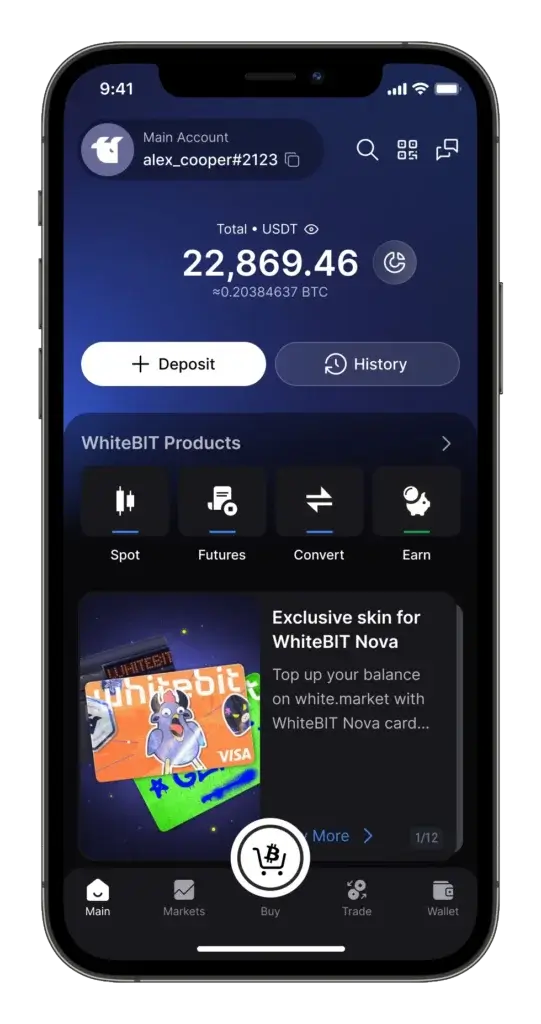
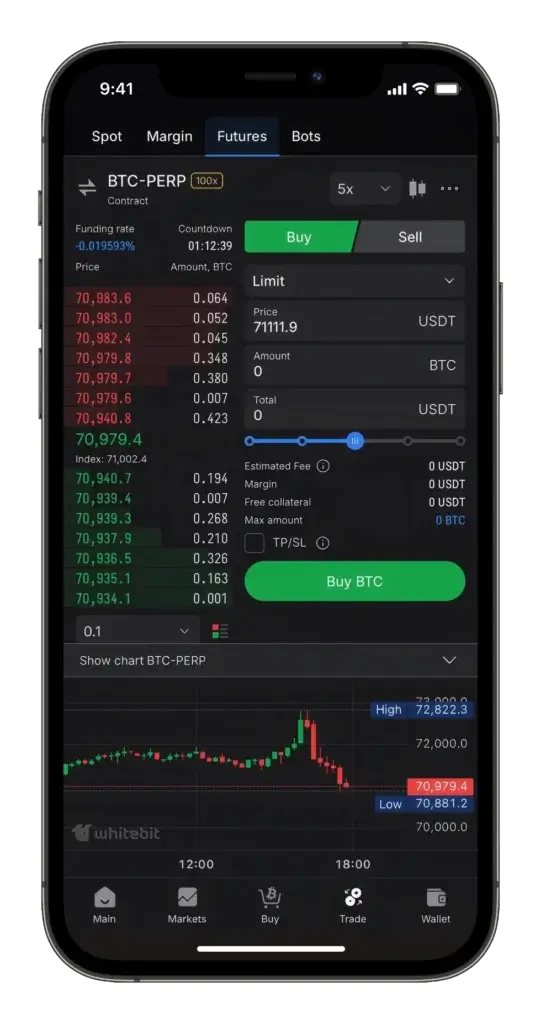
- Top-tier security posture, with a AAA rating and No. 3 ranking on CER.live, plus WhiteBIT’s public claim of a zero-hack history and 96% of assets held in cold storage.
- Strong yield appeal through WhiteBIT Earn and WBT-linked benefits, with public WhiteBIT materials citing returns up to 22.1% on some programs.
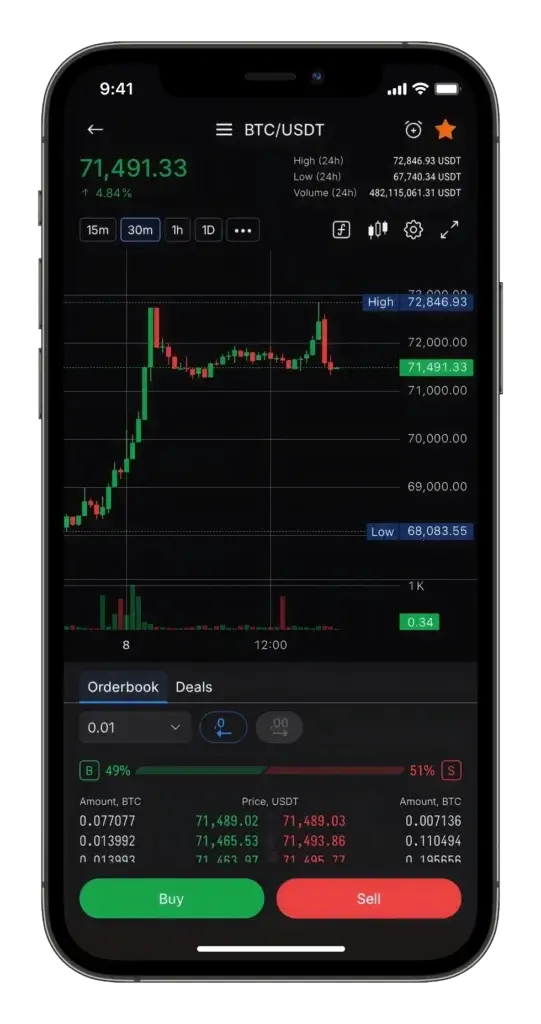
- Built for advanced users, with sub-accounts, robust API tooling, TradingView integration, 15+ chart types, and 110+ drawing tools for detailed analysis and team-based workflows.
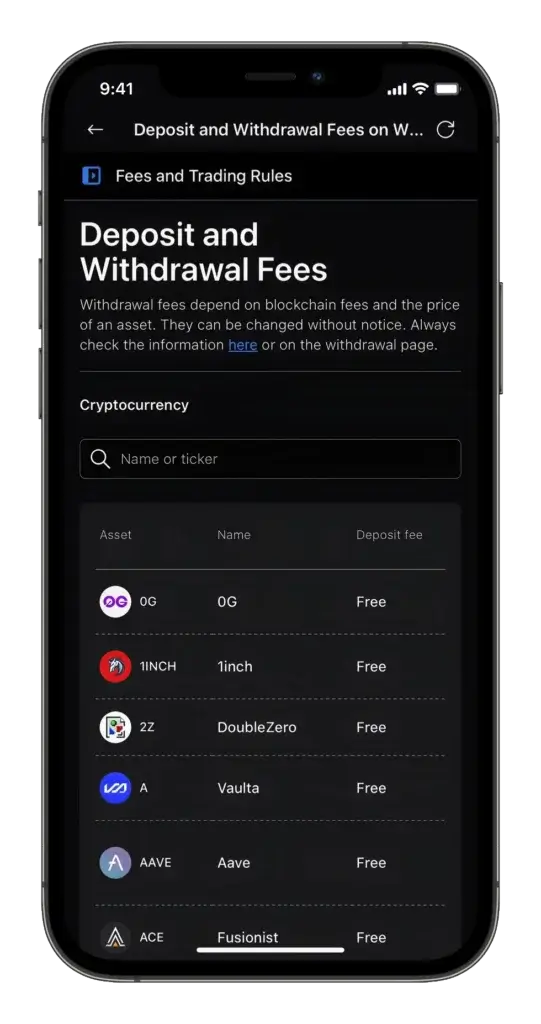
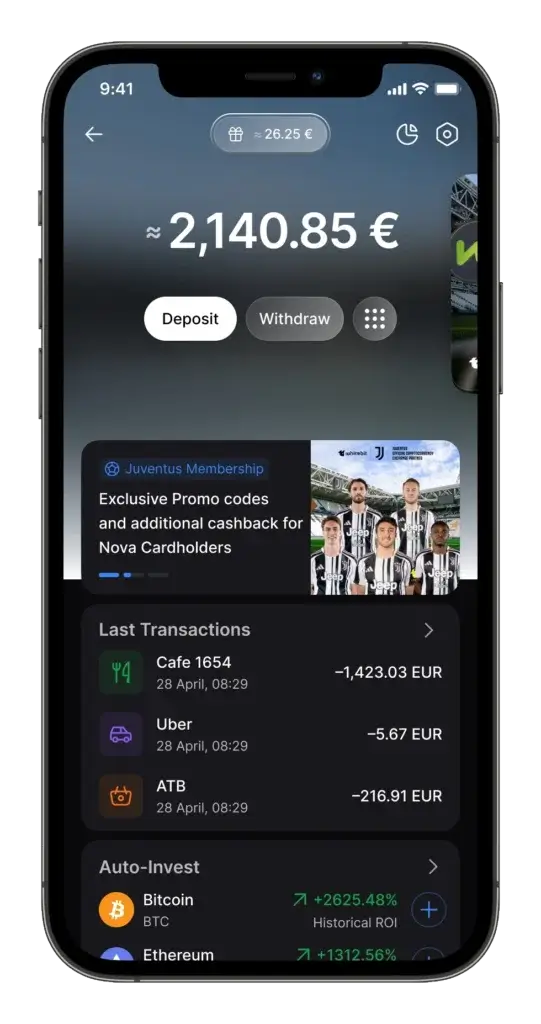
- Strong fiat support relative to many crypto-native venues, with 9 fiat currencies and multiple rails including SEPA, card payments, Apple Pay, and Google Pay.
- A meaningful native ecosystem around WBT, with exchange perks for holders and added utility through Whitechain, where WBT functions as the native coin for network activity.
Cons
- The global regulatory picture is still hard to read from one page; WhiteBIT discloses a multi-entity structure, but a clean retail license matrix is not easy to verify publicly.
- The PoR report is meaningful but still a snapshot of in-scope assets, not a full financial audit or live reserve dashboard.
- Public reliability metrics such as uptime targets, outage history, and independent spread or depth data are not clearly published.
- Some country and product restrictions are more complex than the homepage summary implies, especially for EEA users and several higher-risk or sanctioned jurisdictions.
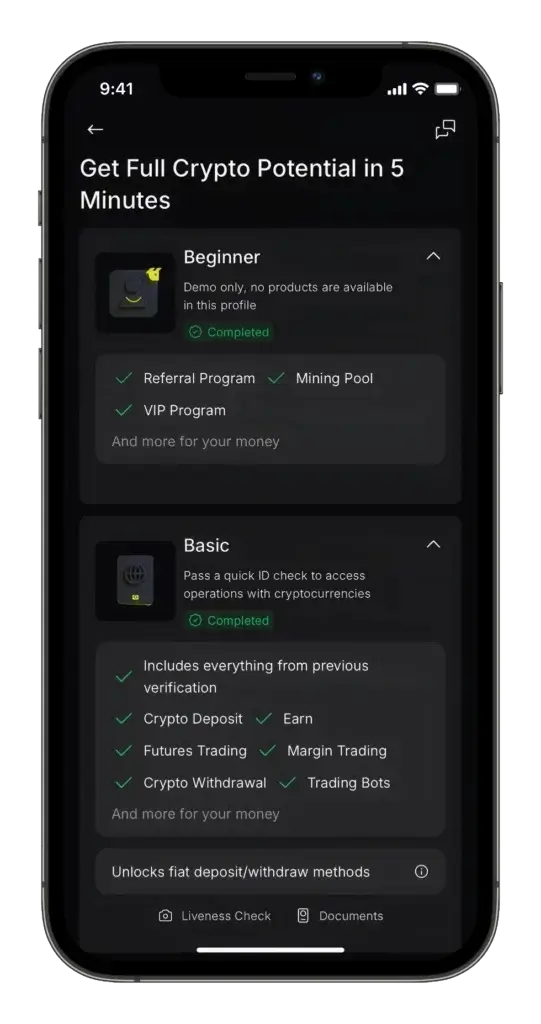
Coinbase
Pros
- SEC filings show more than a Merkle-tree snapshot
- Native USDC with near-free withdrawals on Base
- Free ACH and instant RTP cash-out
- Among the largest US spot venues
- Clean tax exports and CoinTracker link
Cons
- Simple buy carries a heavy spread
- Support is slow without Coinbase One
- Account locks are a recurring complaint
- New-fund staking paused in 4 states
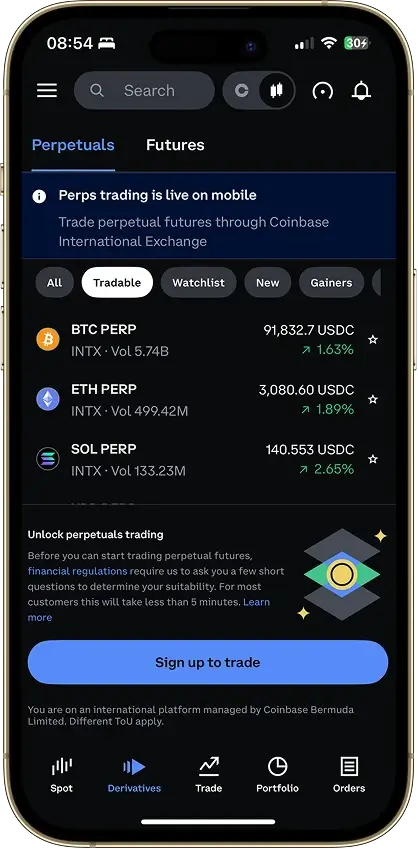
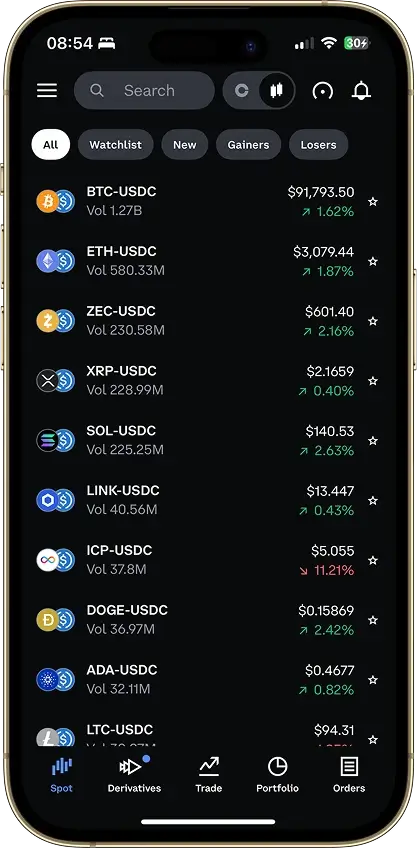
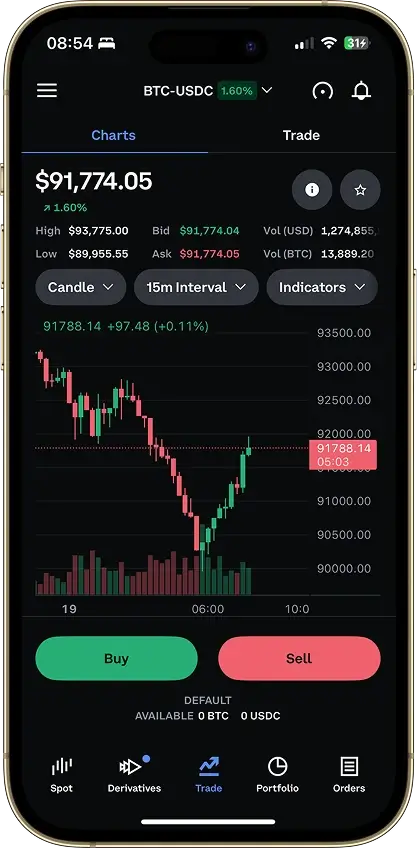
Bitget
Pros
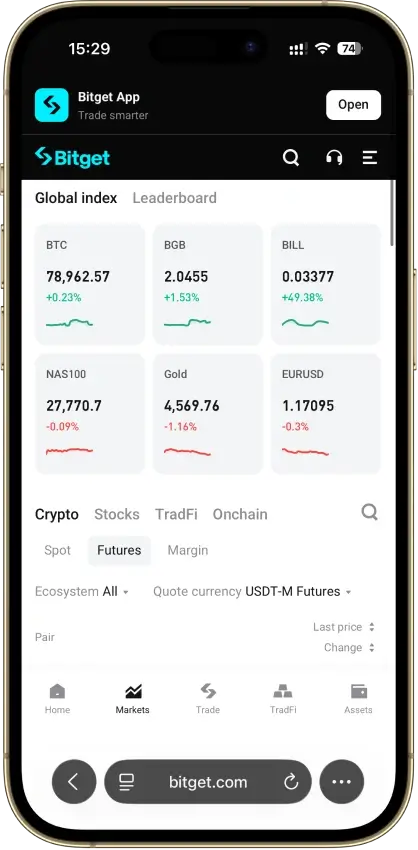
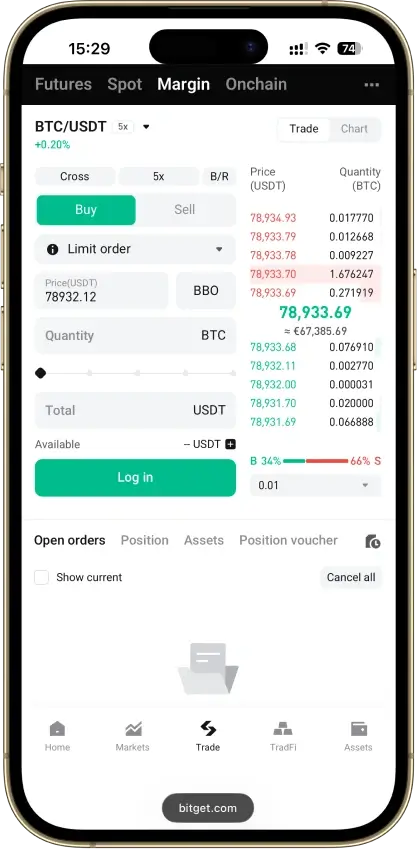
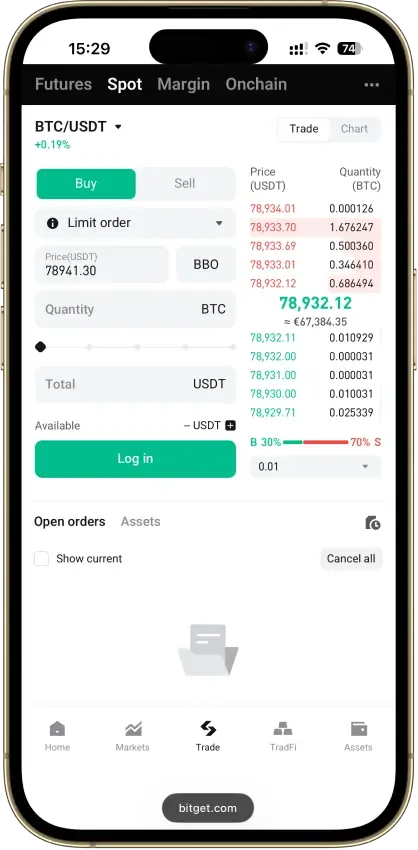
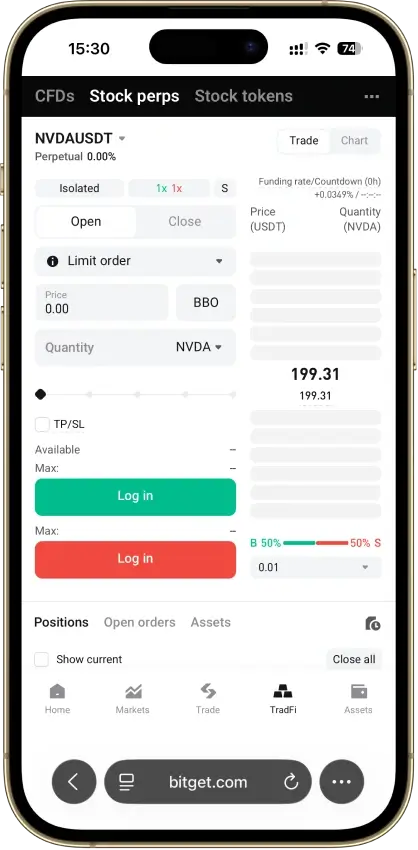
- Futures, spot, margin, bots, and Earn are all in one account.
- Copy trading covers futures, spot, and bots, not just one market type.
- Bitget Onchain lets users access some onchain tokens without setting up a separate wallet.
- USDT withdrawals work across several affordable networks, including TRC20, BEP20, Polygon, Arbitrum, and Optimism.
- Monthly reserve reports let users verify their balance is included in the snapshot.
Cons
- Bitget blocks users in the U.S. and several other major markets.
- Simple buys and Convert trades can include a hidden spread cost.
- Using BGB for fee discounts means holding a token whose price can move against you.
- The reserve report is not a full audit of the company's finances.
- The app can feel cluttered for anyone who just wants to buy and hold.

Crypto.com
Pros
- 2022 hack reimbursed in full, all 483 accounts
- Free ACH deposits and withdrawals for US users
- 0% maker fees reachable on the Exchange
- FDIC pass-through on USD cash at partner banks
- Proof of reserves you can check against balance
Cons
- Best fees and rewards require CRO
- Support is email and bot, no phone
- 24-hour hold on every new withdrawal address
- Not available in New York
- App spread hides behind "0% commission"
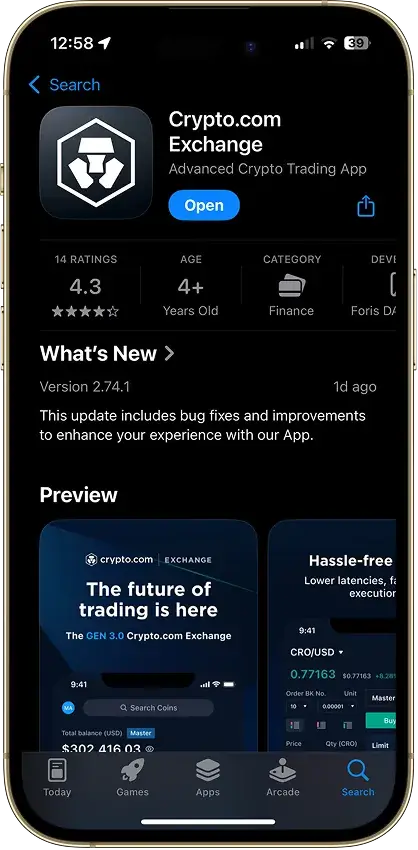
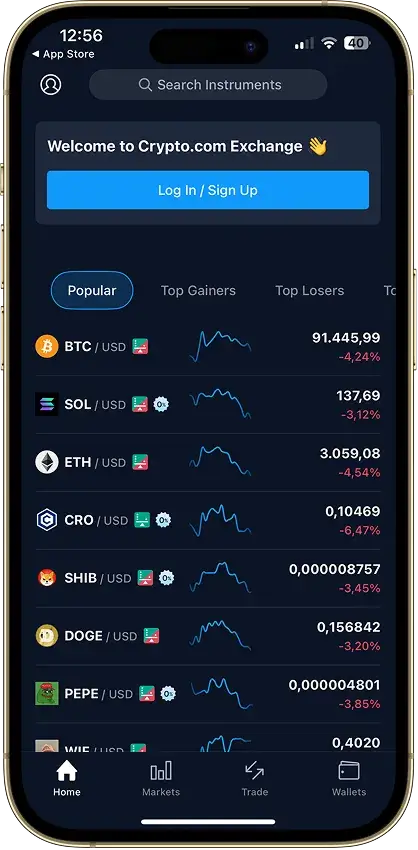
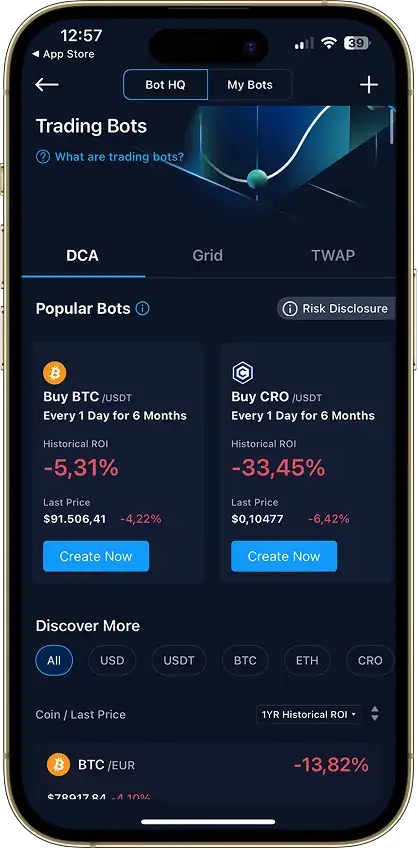
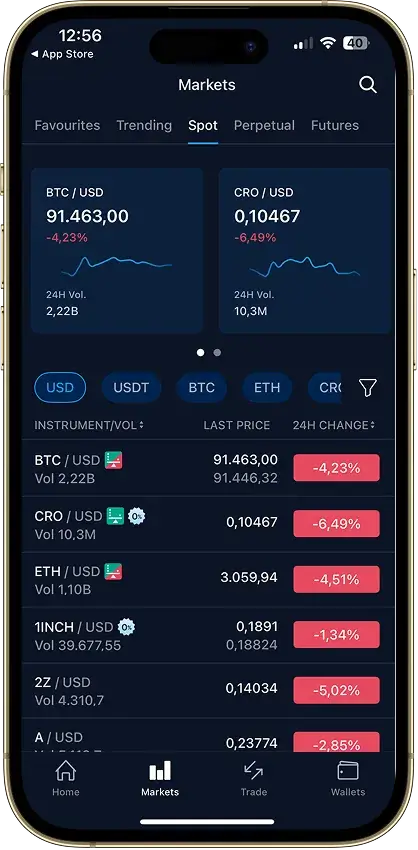
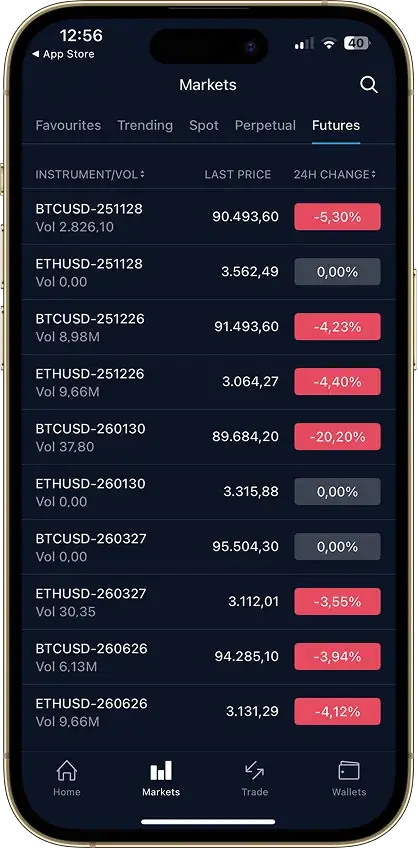
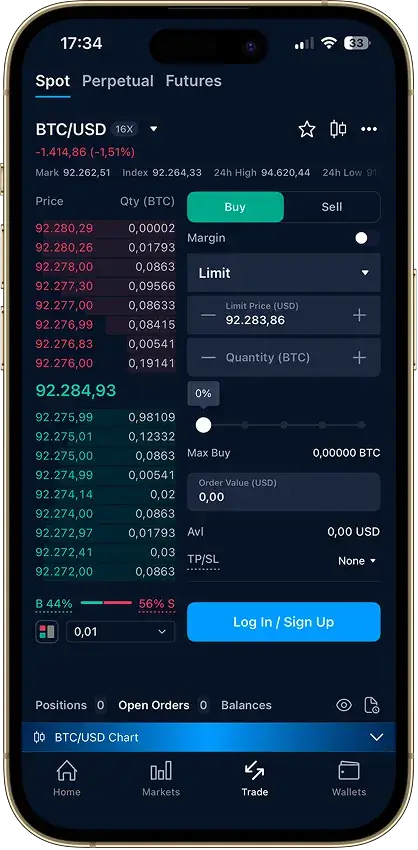
This is where the gap between exchange-style trading and wallet-based execution becomes clearer. Kraken, OKX, Bybit, Coinbase Advanced, and Hyperliquid carry most of the weight for active traders, while Jupiter, Raydium, and PancakeSwap cover the chain-native side of the market.
What Is Crypto Day Trading?
Crypto day trading means opening and closing positions over short timeframes to capture intraday price moves. Some traders hold positions for a few minutes. Others stay in the market for a few hours. The common thread is that the trade is built around short-term volatility rather than long-term conviction.
That can happen in several ways. Spot day trading means buying and selling the asset itself. Margin trading adds borrowed funds and raises the size of both gains and losses. Perpetuals and futures let traders take long or short positions without holding the underlying coin. Onchain day trading usually happens through a connected wallet, where swaps, perp positions, and route quality matter as much as the token being traded.
The setup changes from platform to platform, but the pressure points stay familiar. The trade only works if fees stay contained, fills stay clean, and execution does not fall apart once the market starts moving.
Is Day Trading Crypto Worth It?
It can be, but usually only for traders who already manage risk well. Crypto trades around the clock, reacts quickly to news and liquidity shifts, and offers more short-term volatility than most large equity markets. That creates more setups than slower markets usually offer.
For many people, the costs and pressure outweigh the upside. Trading fees add up fast. Slippage can ruin tight entries and exits. Leverage can turn a small mistake into a large loss. Taxes and record-keeping also get messy once the trade count starts climbing.
Why Some Traders Prefer Crypto For Intraday Trading
Crypto markets run 24/7, so traders are not boxed into stock-market hours. Liquid pairs can move hard enough in a single session to create several tradeable setups. On some platforms, traders can switch between spot, perps, and stablecoin settlement without moving capital far.
Why Many Users Should Avoid It Or Start Small
Most users underestimate how hard it is to stay consistent once real money is on the line. A good-looking fee schedule does not fix poor execution, overtrading, or weak risk control. Starting small makes more sense than jumping straight into leverage, especially when the platform, asset selection, and trading plan are still untested.
How To Choose A Crypto Day Trading Platform
The right platform does more than list a lot of coins. It has to keep trading costs low enough to matter, handle fast entries and exits cleanly, and fit the way you actually move capital. The platform needs to keep working cleanly once orders, alerts, and exits start happening fast.
Real Trading Costs, Not Just Headline Fees
The posted maker-taker fee is only part of the bill. Many traders also run into instant-buy spreads, funding costs on perpetuals, conversion fees when moving between fiat and stablecoins, and network fees when they move assets off-platform. Those extra costs can erase the edge from a setup that looked good on paper.
That is why the cheapest platform is not always the one with the lowest advertised fee. A venue with tighter spreads and better execution can beat a lower-fee rival once real fills are involved. On DEXs, the same logic applies through routing quality, pool depth, and gas costs.
Liquidity, Order-Book Depth, And Slippage
A large asset list looks good in a comparison table. It matters far less than whether the pair you trade is actually liquid. Thin books, wide spreads, and weak depth create slippage fast, especially when markets start moving.
A platform earns its place here when it keeps major pairs tradeable even during fast sessions. If the book is deep, fills stay cleaner and stop-losses behave more predictably. If it is thin, the trade can go bad before the setup has a chance to work. That matters even more once order size rises into territory where OTC crypto desks start to compete with screen liquidity.
Order Types And Charting Tools
Day traders need more than a buy and sell button. Limit orders, stop orders, take-profit and stop-loss controls, reduce-only execution, and conditional setups like OCO can all change how a trade is managed. Those tools matter more once size increases or the trade plan gets more precise.
Charting quality matters too. A clean TradingView-style layout, visible order-book data, and fast toggling between pairs save time when the market is moving. Weak charting can force traders into external tools, which slows the workflow and adds friction.
App Speed And Execution Workflow
Desktop still matters, but mobile execution can decide whether a platform is actually usable day to day. A strong app needs fast order entry, clear open-position tracking, stable alerts, and enough charting depth to manage a trade without opening a laptop.
Some platforms market themselves as mobile friendly but still hide advanced controls behind the desktop interface. Others keep most of the core workflow available on the phone. That difference matters when a market moves hard and the trade needs quick attention.
Deposits, Withdrawals, And Regional Access
The best setup on paper is useless if funding the account is awkward or product access is blocked where you live. Bank rails, card support, stablecoin deposits, and same-day withdrawals all affect how quickly a trader can put capital to work or de-risk after a session.
Regional access matters just as much. Some platforms offer spot globally but restrict perps, options, margin, or copy trading by country or state. U.S. traders feel this more than most. A platform should be judged on the products it actually makes available in the trader’s jurisdiction, not on its broadest global menu.
Security, Transparency, And Custody Trade-Offs
Centralized exchanges and self-custody venues solve different problems. A regulated custodial platform can offer smoother fiat funding, cleaner account recovery, and more familiar support. A wallet-based venue gives the trader direct control of assets and faster access to onchain markets.
Neither route is automatically better. Custodial platforms add counterparty risk and require trust in the exchange’s controls. Self-custody removes that layer, but puts more responsibility on the trader to secure the wallet, check approvals, and avoid operational mistakes.
DEX-Specific Friction
Onchain trading can be fast and flexible, but the workflow is less forgiving. Wallet connection, chain selection, bridge routes, gas costs, and signature flow all add steps that do not exist on a typical CEX. Routing can also change between trades, which makes execution less predictable for anyone who is not already comfortable with the chain.
MEV exposure, failed transactions, and route quality also belong in the decision. A DEX that looks cheap on the surface can still deliver poor results if the route is weak or the trade size is large relative to pool depth. That is why wallet-first traders should judge a DEX by execution quality and chain fit, not just by token access. The broader universe of decentralized exchanges makes that gap even clearer, and Uniswap’s routing model is a useful benchmark for how wallet-first execution differs from a custodial exchange workflow.
How We Ranked The Best Crypto Exchanges For Day Trading
This page follows the same core criteria used across CryptoSlate’s main crypto exchanges hub. That means security and custody, proof of reserves and transparency, regulatory posture, market quality and reliability, fees and pricing, on and off-ramps, product breadth, UX and support, and API and pro tooling still shape the rankings here.
The weighting shifts once the focus narrows to day trading. Market quality and reliability matter more because liquidity, order-book depth, slippage, and uptime affect real fills. Fees and pricing also carry more weight here, including maker-taker rates, spread-heavy convenience flows, perpetual funding, and the hidden costs that show up when capital moves in and out.
UX, support, and product breadth are still part of the picture, but they are judged through a trading lens rather than a general-use one. A strong platform should make it easy to fund the account, place and manage orders quickly, and stay stable when the market is moving fast. Regional availability also matters more than it does on a broad hub page, because a platform’s global product menu is not the same thing as actual access in a trader’s jurisdiction.
Onchain venues are measured against the same high-level standards, but not through a CEX template. Market quality still matters. Fees still matter. Reliability still matters. The difference is that wallet flow, routing quality, chain support, execution controls, and self-custody friction replace fiat rails and custodial features when those are not part of the product.
Day Trading Crypto For Beginners
New traders usually make the same mistakes early. They pick a platform with weak access in their region, fund it in a rush, jump into leverage too soon, and start trading illiquid coins because the moves look bigger than they really are. A better start is slower and less exciting, but it protects capital.
Choose a platform that actually supports the products you plan to use in your jurisdiction. Secure the account or wallet before the first trade. Start with spot, not leverage. Stick to liquid majors until order entry, exits, and position sizing feel natural. Then test deposits, withdrawals, and trade management with small size before scaling up.
Beginner-friendly platforms usually make funding, order entry, and account navigation easier without stripping out core trading tools. Kraken and Coinbase Advanced fit that description best in this list and also sit comfortably inside the wider group of beginner-friendly exchanges. Bitstamp’s fiat-heavy setup also works for traders who want a more conservative, major-pairs-first path. Gemini belongs in the same conversation for traders who care more about custody posture than feature depth.
OKX and Bybit make more sense once advanced order flow, derivatives, or copy tools are part of the plan. Hyperliquid, Jupiter, Raydium, and PancakeSwap are better left for traders who already understand wallet security, chain selection, gas costs, and onchain execution risk.
Crypto Day Trading Strategies
Short-term trading styles look different on the chart, but they all depend on the same basics. The platform needs to offer clean execution, usable order controls, and enough liquidity for the trade size. A strategy that works on a deep BTC or ETH book can break down fast on thinner pairs or weaker routing.
Scalping
Scalping aims to capture small price moves over very short windows. That only works when fees stay low, spreads stay tight, and the platform can handle fast entries and exits without lag. Traders who use this style usually need deep order books, strong charting, and order types that let them manage risk without delay.
Breakout Trading
Breakout trading focuses on price moving through a clear level, then continuing with volume behind it. The setup works better on platforms with reliable charting, visible depth, and clean stop or conditional order support. Weak execution can turn a breakout entry into a chase, especially when the market is already moving hard.
Range Trading
Range trading works when price keeps bouncing between defined support and resistance. It needs liquid pairs, stable spreads, and enough order-book depth to enter and exit without getting pushed around by slippage. This approach usually fits major spot pairs better than low-liquidity altcoins or fast-moving launch tokens.
Momentum Trading
Momentum trading leans into strength or weakness that is already building. That makes speed more important than usual. A strong mobile app, fast order entry, and clear perp or spot workflow matter more here because the move can fade quickly if the trader gets stuck in a clumsy interface.
Mean Reversion Or Pullback Trading
Mean reversion and pullback setups assume that price has moved too far from a short-term baseline and is likely to snap back. The style usually works best on liquid assets with more stable books, where noise is lower and stops behave more predictably. Traders using this approach benefit from platforms with clean charting, reliable alerts, and enough depth to avoid poor fills on the way in or out.
Best Indicators, Bots and Tools For Day Trading Crypto
Good day-trading tools do not create an edge on their own. They help the trader read structure faster, control risk more cleanly, and avoid weak entries. The best setup is usually a small toolkit that matches the strategy, not a screen full of conflicting signals.
Best Indicators For Day Trading Crypto
Volume is still one of the most useful starting points because it shows whether a move has real participation behind it. VWAP helps frame whether price is trading above or below the session’s average flow. Moving averages can help define short-term trend direction, especially when the trader needs a simple way to separate momentum from chop.
RSI is useful when it is treated as context rather than a buy-or-sell switch. Support and resistance stay relevant because crypto still reacts hard around obvious levels, especially on liquid pairs. Order-book signals matter too, though they are more useful on platforms with real depth and stable execution than on thin books where quotes disappear quickly.
Perp-Specific Tools
Perpetual traders need more than chart indicators. That becomes obvious quickly on crypto futures exchanges, where funding, open interest, liquidation risk, and execution quality all shape the trade. Funding rates can show when positioning is getting crowded. Open interest helps reveal whether a move is building with new exposure or fading as traders close out. Liquidation maps and heatmap-style tools can add context around where leverage is stacked, though they should be treated as a guide rather than a trigger.
Margin mode and risk controls matter just as much as any external indicator. Cross and isolated margin behave differently when volatility spikes. A platform that makes liquidation price, maintenance margin, and position exposure easy to track gives perp traders a clearer view of risk before a trade becomes difficult to manage.
Crypto Day Trading Bots And Copy Trading Tools
Automation only helps when the controls are strong enough to prevent small mistakes from compounding. A bot or copy setup should show how the strategy behaves through drawdowns, not just during strong runs. Fees matter here because subscription costs, performance cuts, slippage, and funding can eat into results quickly.
Good automation tools should let the trader cap allocation, set stop conditions, control leverage, and limit which instruments can be traded. API permissions matter too. Trading access should be separated from withdrawal rights, and the key should use the minimum permissions required. Copy trading can simplify execution, but it does not remove risk. It only shifts the decision from trade selection to manager selection.
How To Pick Crypto For Day Trading
The best crypto for day trading is not always the coin making the biggest move. A tradeable market needs liquidity, tight enough spreads, and enough depth to handle entries and exits without turning every decision into a slippage problem. That matters more than a dramatic percentage move on a weak book.
Start with liquidity. Major pairs usually offer cleaner execution, steadier depth, and more reliable chart behavior than thin altcoins. Then compare spread against volatility. A coin that moves 4% in a session can still be a poor trading market if the spread is wide and the book is shallow. A cleaner pair with tighter execution can offer better setups even when the headline move is smaller.
News and catalyst flow matter too. Listings, token unlocks, major ecosystem updates, ETF-related headlines, regulatory news, and macro data can all change intraday conditions quickly. For perpetual traders, funding and open interest add another layer. A crowded market with stretched funding and rising open interest can create strong momentum, but it can also unwind hard once positioning gets too one-sided.
Low-liquidity altcoins often look attractive because the candles are bigger and the move feels faster. That is exactly what makes them dangerous. Thin books, sudden spread expansion, and weak exit liquidity can turn a good-looking chart into a bad trade the moment size increases.
Best Crypto For Day Trading For Beginners
Beginners are usually better off trading liquid majors first. Bitcoin and Ethereum remain the cleanest examples because they have deep books, tighter spreads, and broader support across serious trading platforms. Large-cap names with strong volume can also work, but the priority should stay on execution quality, not novelty.
The goal at this stage is to learn entries, exits, position sizing, and risk control in markets that behave more predictably. Chasing smaller tokens too early usually adds noise before the trader has a stable process.
Most Volatile Crypto For Day Trading
Volatility matters, but it has to be usable. Meme coins, smaller ecosystem tokens, and launch-driven names can post the biggest intraday moves, especially on Solana and BNB Chain. They can also become nearly untradeable once spreads widen or exit liquidity disappears.
The better question is not which coin is the most volatile. It is whether the volatility comes with enough depth and volume to support the trade. A highly volatile market with poor execution is often worse than a slightly calmer one with better structure.
Best Crypto For Day Trading Today
The answer changes with market conditions, so this should be treated as a framework rather than a fixed list. Start by checking which pairs have the strongest volume, cleanest spreads, and the clearest catalyst behind the move. Then compare that with funding, open interest, and recent price structure if perps are part of the setup.
That usually points traders back to the same shortlist: liquid majors for cleaner execution, active large-cap altcoins when momentum broadens, and selective onchain names only when volume, route quality, and exit conditions support the trade. The strongest daily opportunities are the ones that combine movement with tradable structure, not just the biggest candle on the screen.
Best App For Crypto Day Trading
A day-trading app needs to do more than mirror the desktop layout. It has to let traders move quickly, track risk clearly, and manage orders without hunting through menus while the market is moving. The strongest apps keep charting, order entry, alerts, and position management close together. The weaker ones feel fine for casual buying, but start to break down once fast execution matters.
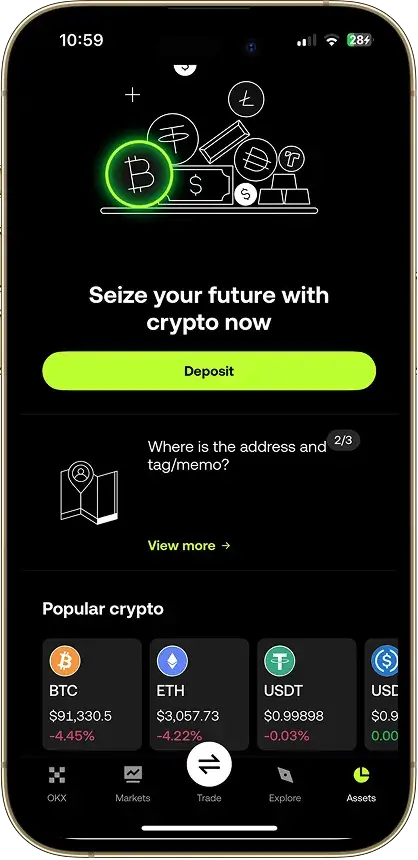
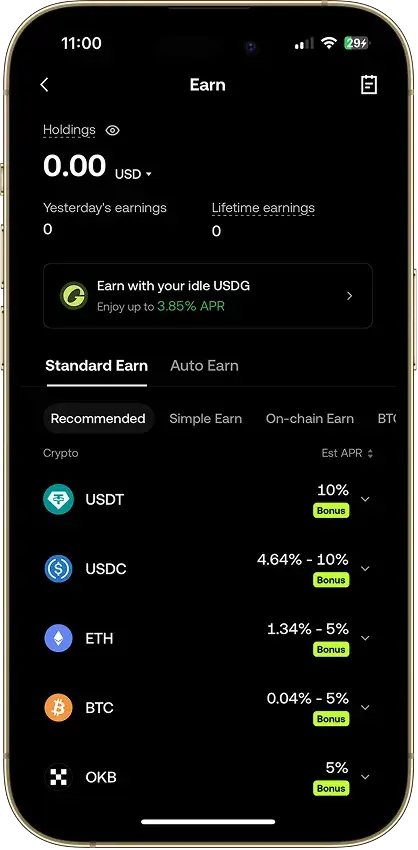
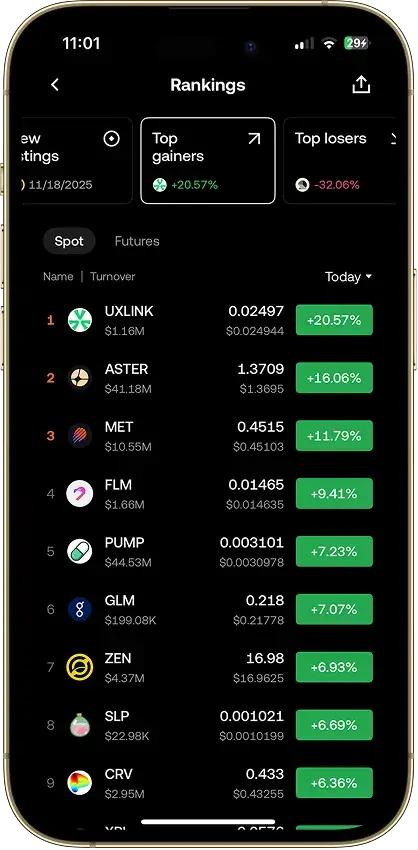
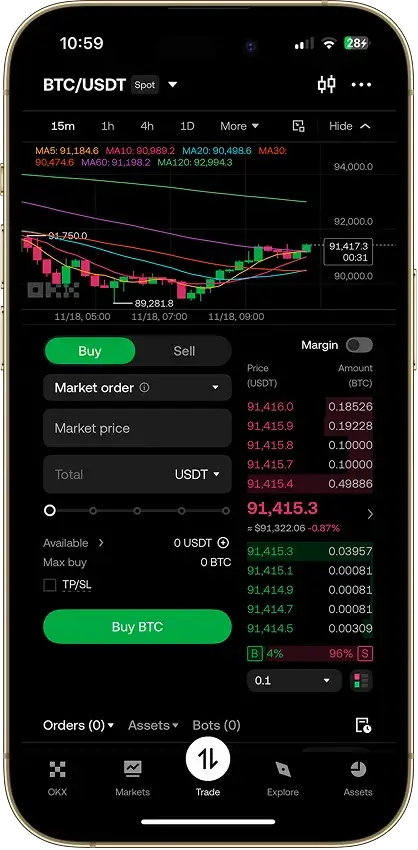
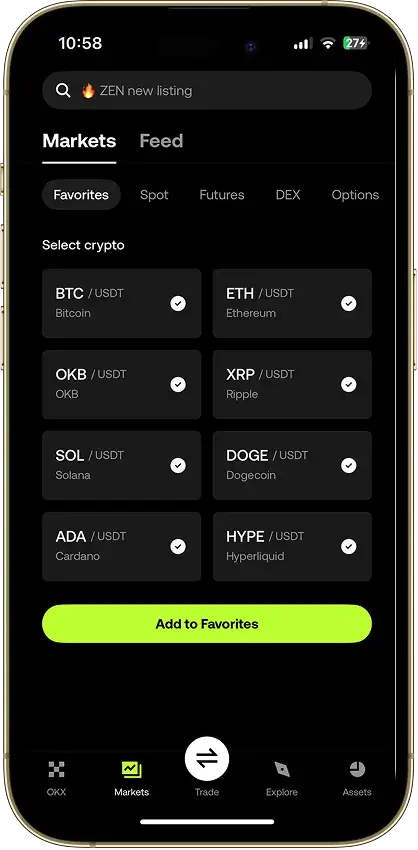
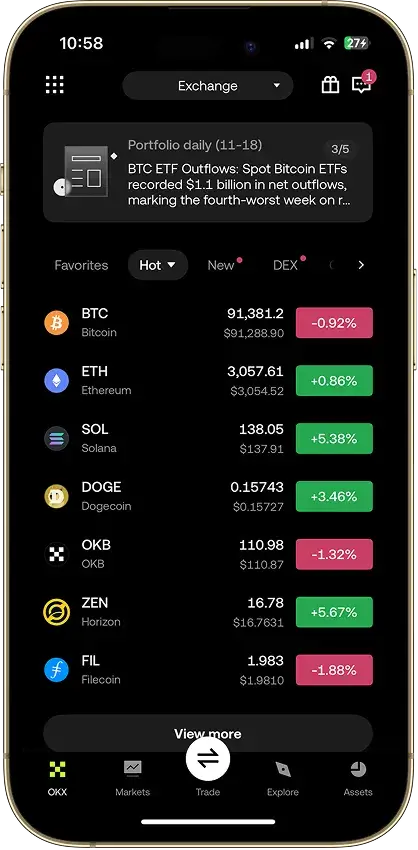
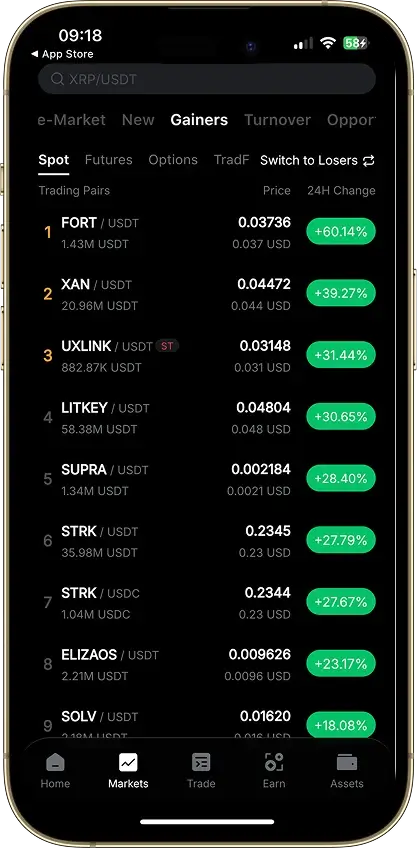
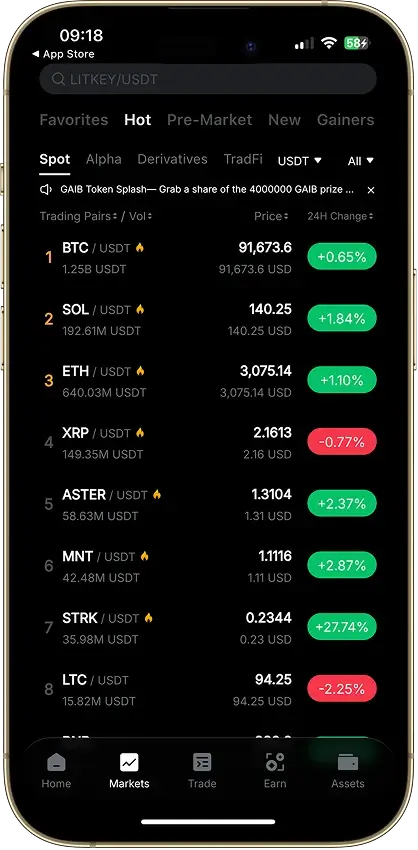
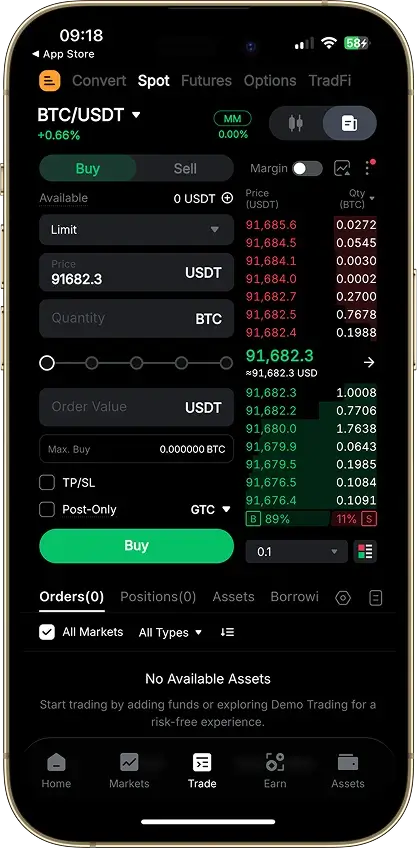
OKX is the strongest mobile trading app in this list for active users outside the U.S. It combines deep charting, broad order support, and a trading-first layout that still works under pressure. Crypto.com’s trading app and exchange is close behind for users who want a smoother all-in-one mobile experience, though it feels more ecosystem-driven than pure trading-driven and keeps its bot tools outside the main app.
Kraken Pro remains one of the cleanest U.S.-friendly choices on mobile. It keeps the trading workflow tight and makes it easier to manage spot, margin, and eligible futures markets from the same app. Coinbase Advanced is also strong, especially for traders who already use the main Coinbase app and want a polished mobile interface with better execution tools than the default retail flow.
Bitstamp’s app has improved into a more usable two-mode mobile product, and Gemini still works for traders who value a more conservative setup, though ActiveTrader is still better through mobile browser than through the main app. Robinhood is easy to navigate, but the mobile charting and trading flow are lighter than the strongest day-trading apps here. That makes it more comfortable for simple spot execution than for more active intraday management.
The best mobile apps for day trading crypto usually separate themselves in five places: order-entry speed, chart readability, margin and liquidation visibility, watchlists and alerts, and reliability when volatility spikes. That is why OKX, Kraken Pro, Coinbase Advanced and Crypto.com Exchange sit above the rest in this category.
Best Crypto Exchange For Day Trading In The U.S.
The U.S. market is narrower than the global one, so this section has to be judged on actual availability rather than headline feature lists. Many global exchanges offer strong derivatives, copy trading, and broader product depth elsewhere, but U.S. retail traders usually end up choosing between a smaller group of spot-first platforms with selected futures access layered on top.
Coinbase Advanced is the cleanest all-round pick for many U.S. traders. It combines strong USD funding, a polished interface, deep major-pair liquidity, and better pricing than the standard buy-and-sell flow. Kraken is just as compelling, and often stronger once low fees, pro workflow, and broader active-trading depth matter more than familiarity. For a wider spot-first snapshot, CryptoSlate’s page on exchanges available to U.S. traders fills in the rest of the field.
Gemini’s security-first setup and Bitstamp’s more traditional exchange model still make sense for traders who want a more conservative environment built around major pairs, bank rails, and spot-first access in the U.S., rather than a derivatives-heavy product stack. Robinhood’s simple U.S. spot flow works for simple U.S. crypto day trading, especially for users who already keep other assets there, but it is still lighter on serious trading depth than Kraken or Coinbase Advanced. Uphold’s fast swap model is more useful for quick conversion and multi-asset access than for classic day-trading workflow.
U.S. traders should judge platforms by the products they can actually use, not by the global menu shown in broader exchange marketing. Spot access is widely available. Margin, futures, and more advanced tools are much more restricted. That is why Coinbase Advanced and Kraken stay at the center of this section, while non-U.S. derivatives venues and interface-restricted onchain products do not.
Day Trading Crypto Vs Stocks Vs Forex
Crypto, stocks, and forex can all work for short-term trading, but they behave differently once hours, volatility, and execution are taken seriously.
| Market | Trading Window | Best For | Main Trade-Off |
|---|---|---|---|
| Crypto | 24/7 | Traders who want stronger moves and round-the-clock setups | Higher volatility, uneven regulation, and heavier tax/reporting friction |
| Stocks | Market hours, plus limited pre- and post-market access | Traders who want cleaner structure and more standardized oversight | Less flexibility outside market hours and usually calmer price action |
| Forex | Nearly 24 hours on business days | Traders who want deep liquidity in major pairs and lower spread friction | Moves are often steadier than crypto and broker quality matters more |
Leverage is usually easier to access in crypto and forex outside stricter jurisdictions, while stock leverage is often tighter for retail traders. Cost structure also changes by market. Crypto adds funding, transfer, and routing friction more often. Stocks can bring routing and borrow costs. Forex usually looks cheaper in major pairs, but rollover and broker terms still matter.
Crypto fits traders who want stronger moves, round-the-clock access, and the option to trade through both custodial and wallet-based venues. Stocks fit traders who prefer cleaner market structure and more standardized oversight. Forex fits traders who care more about liquid major pairs and steadier execution than outsized intraday swings.
Day Trading Crypto Taxes, Legality and Rules
Crypto day trading is not governed by one global rulebook. Legality, tax treatment, leverage limits, reporting obligations, and exchange access all depend on where the trader lives and which product is being used. Spot trading, perpetuals, margin trading, and wallet-based onchain activity can all be treated differently.
Is Day Trading Crypto Legal?
In many jurisdictions, crypto trading itself is legal, but that does not mean every platform or product is available everywhere. Some countries allow spot trading but restrict or ban retail access to derivatives. Others permit crypto activity while requiring platforms to register, collect identity data, or limit how certain products are marketed.
That is why legality has to be judged in layers. The first question is whether crypto trading is allowed. The second is whether the platform can legally serve users in that jurisdiction. The third is whether the specific product being used — spot, margin, perps, or options — is available under local rules.
Day Trading Crypto Taxes
Crypto tax treatment varies by country, but frequent trading usually creates a reporting burden even when the gains are small. Selling crypto, swapping one asset for another, closing a derivative position, or receiving trading-related income can all trigger tax consequences depending on the jurisdiction.
The practical problem for day traders is volume. Once trade count rises, cost basis, realized gains and losses, fees, and transfers become harder to track manually. That is why record-keeping matters from the first trade, not once profits become large. Traders should treat exports, transaction history, and wallet records as part of the workflow.
Are There Day Trading Rules For Crypto?
There is no universal version of a crypto day trader rule that applies everywhere. Some jurisdictions focus more on tax reporting and platform compliance than on how often someone trades. Others place tighter restrictions on leverage, derivatives access, or retail suitability. Exchange-level rules also matter, especially around margin, liquidation, KYC, and product eligibility.
The safest way to think about crypto day-trading rules is to separate platform rules from local law. A platform may allow a feature globally but restrict it in specific countries or states. Local law may also treat frequent trading differently once it starts to resemble business activity, professional activity, or higher-risk derivatives use.
This section works best as a warning, not a legal or tax guide. Anyone trading actively should check local rules, confirm platform eligibility in their jurisdiction, and keep clean records from the start.
The Right Day Trading Platform Depends On How You Trade
The right platform matches the products available in the trader’s region, the speed of the workflow, and the kind of risk the strategy actually takes. A U.S.-based spot trader does not need the same setup as a global perpetuals trader. A wallet-first Solana trader does not need the same platform as someone funding a centralized account with USD.
Kraken and Coinbase Advanced make the most sense for many U.S. traders who want clean funding, strong spot liquidity, and a workflow that still feels manageable once trading becomes more active. OKX and Bybit become more compelling once derivatives, lower international trading costs, and deeper pro tools matter more than U.S. accessibility. Hyperliquid, Jupiter, Raydium, and PancakeSwap belong to a different path entirely. They are stronger when self-custody, chain-native execution, and direct wallet control matter more than bank rails and familiar account structure.
A single winner does not make much sense here because the job changes with the trader. The strongest choice comes from matching the platform to the job. Clean spot execution, mobile-first management, advanced derivatives, and wallet-based trading all point in slightly different directions. The right answer is the one that fits how the trade is actually being placed, managed, and funded.
