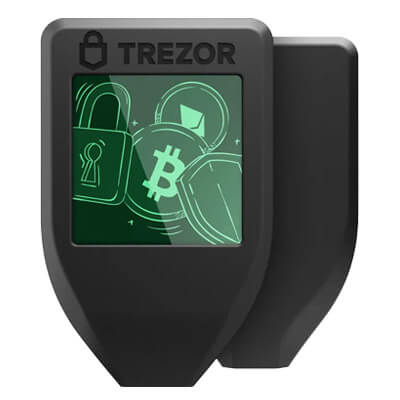

Trezor Model T is a self-custody hardware wallet from Trezor (SatoshiLabs) that uses on-device transaction confirmation and a color touchscreen to help users manage digital assets securely. It is designed to keep private keys offline while supporting a broad range of cryptocurrencies and tokens through Trezor Suite and compatible third-party wallet applications. Trezor has stated that the Model T is no longer sold, but it continues to receive security updates, with the newer Trezor Safe 5 positioned as its successor.
Overview
Trezor Model T follows the standard hardware wallet model: transactions are created on a connected computer or phone, then verified and approved directly on the device. The Model T uses a touchscreen interface to help users review addresses and transaction details and to enter sensitive inputs such as PINs and passphrases on-device. This reduces reliance on the host device for critical verification steps, which is an important control when using internet-connected systems.
History and Background
Trezor released the Model T in 2018 as its first touchscreen hardware wallet. It expanded on earlier Trezor devices by introducing a color display and a more interactive on-device experience. Over time, the Model T became a common choice for users who wanted a touchscreen-based signer and support for a wide selection of assets and integrations.
Core Products and Services
- Offline key storage and signing: Private keys are generated and stored on the device, and transactions require on-device confirmation.
- Trezor Suite compatibility: Works with Trezor Suite for account management, portfolio viewing, and basic transaction workflows.
- Third-party wallet support: Supports a range of external wallet apps for asset coverage and specialized ecosystems.
- Backup and recovery options: Supports 12-, 20-, and 24-word wallet backups, plus Advanced Multi-share Backup (Shamir-style recovery).
Technology and Features
The Model T is built around usability and verification. Its color touchscreen is designed to make it easier to confirm recipient addresses and transaction requests, and to perform secure on-device entry for PINs and passphrases. Trezor describes the device’s security and design approach as open source, which supports external review of key parts of the software stack and security model.
The Model T includes a MicroSD card slot. Trezor documents a MicroSD-based encryption feature that can add an additional secret stored on the MicroSD card, making both the device PIN and the MicroSD card necessary for access when the feature is enabled. This can be used as an extra layer of protection against certain physical access scenarios, but it also increases the operational importance of backups and careful handling of the MicroSD card.
For asset support, Trezor positions the Model T as compatible with major networks and long-tail assets through a combination of native support in Trezor Suite and third-party wallet integrations. Commonly supported assets include Bitcoin, Ethereum, Dogecoin, and tokens on Ethereum (including ERC-20 tokens). Actual feature availability, such as trading, staking, or token management, can vary by asset and by the wallet application used.
Technical Specifications
- Display: 1.54-inch color touchscreen, 240 × 240 pixels
- Connectivity: USB-C
- Expansion: MicroSD card slot
- Security controls: PIN and passphrase protection with on-device entry
- Backup support: 12-, 20-, and 24-word backups; Advanced Multi-share Backup
Use Cases and Market Position
Trezor Model T is typically used for long-term storage and for frequent signing activity where users want stronger separation between keys and internet-connected devices. Typical use cases include securing a multi-asset portfolio, interacting with decentralized applications through compatible third-party wallets, and using the device as a signer for assets on major ecosystems. For users active in smart contract environments, hardware signing can reduce the risk of key compromise, but it does not eliminate the need to carefully review contract interactions and approvals.
Risks and Considerations
- Self-custody responsibility: Users must securely store backup materials. Loss can make funds unrecoverable, while exposure can enable theft.
- Transaction deception risk: Hardware wallets protect keys, but users can still approve harmful transactions if prompted by phishing sites or malicious dApps.
- Asset and feature variability: Some assets require third-party wallet apps for full functionality, which introduces additional integration and user experience considerations.
- Product availability: Trezor has stated the Model T is discontinued. Users considering the device should account for sales availability and long-term support expectations.