XRP (XRP) vs Hedera (HBAR): Which Is Better in 2025?





XRP (XRP) and Hedera (HBAR) are both high-performance decentralized networks. The main difference is that XRP relies on a semi-decentralized blockchain, while HBAR uses a distributed ledger technology called hashgraph.
This article compares HBAR vs. XRP, exploring their similarities and key differences. Understanding these nuances can help investors and developers make more informed decisions.
Key Takeaways
- XRP is backed by XRP Ledger, which is a semi-decentralized blockchain. In contrast, HBAR relies on hashgraph, where nodes validate multiple transactions simultaneously.
- XRP focuses on cross-border payments, while Hedera supports a wider range of applications.
- Both Ripple and Hedera have partnered with major companies, although XRP Ledger has deeper integration into traditional financial systems.
👉 Jump to our comparison table to find out the key differences in metrics between XRP and HBAR.
What Is HBAR?
HBAR is the native token of the Hedera network. It is used to pay transaction fees, make payments, and support the network’s security through staking. HBAR is an essential part of Hedera’s broader ecosystem.
Hedera is a decentralized network that supports transactions and applications, focusing on scaling and efficiency. However, it utilizes a different architecture than a typical public blockchain.
The network is backed by a unique consensus technology known as the hashgraph, representing a Directed Acyclic Graph (DAG) instead of a linear chain of blocks like in Bitcoin or Ethereum.
A DAG-based distributed ledger looks like a tree of events that can be validated simultaneously. Instead of referencing only the last block’s hash, DAG nodes reference previous transaction hashes from any node.
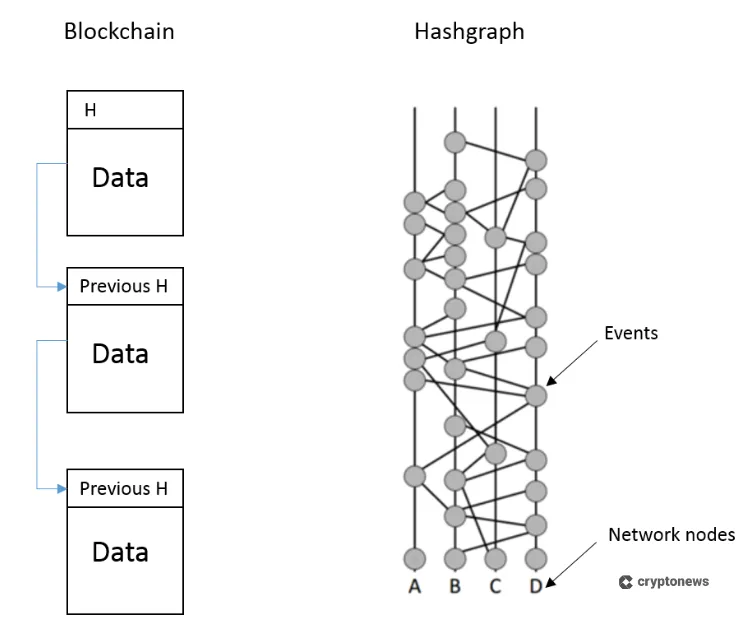
Initially implemented by IOTA, Hedera’s DAG algorithm goes further by introducing the so-called gossip protocol that propagates data at lightning-fast speeds. When a node receives new data, it shares it with another random node; this process repeats over and over, growing exponentially.
This model allows Hedera to achieve impressive performance compared to traditional blockchains. The network can handle 10,000 transactions per second (TPS) versus Ethereum’s capacity of up to 30 TPS. Hedera reaches finality in five seconds on average, and its transaction fee is permanently set to $0.001, irrespective of HBAR’s price at any given moment.
While anyone can use Hedera and stake HBAR, the network is secured by a single governing body known as the Hedera Council. It comprises about 30 companies and organizations that run validator nodes on the network. Members include Google, IBM, Boeing, Dell, Ubisoft, LG, and BitGo.
Recent developments reflect a growing institutional focus on Hedera. For example, in late August, Nasdaq filed for a spot HBAR ETF, sparking both price activity and long-term confidence. Hedera also joined SWIFT’s blockchain trials for instant settlement of tokenized assets.
At a technical level, the Mainnet 0.62 update added Ethereum compatibility for large transactions while lowering fees on failed contract calls. This made the platform even more developer-friendly.
Hedera Products
Hedera’s main product is the distributed ledger itself, which offers three key services:
- Token: Users can mint all kinds of tokens, including stablecoins, non-fungible tokens (NFTs), and tokenized real-world assets (RWAs).
- Smart Contracts: The smart contract feature allows developers to build decentralized apps (dApps). Moreover, thanks to its compatibility with the Ethereum Virtual Machine (EVM), developers can easily migrate Ethereum dApps to Hedera.
- Consensus: It provides a decentralized way for apps to record and timestamp events in a fair, immutable, and verifiable order.
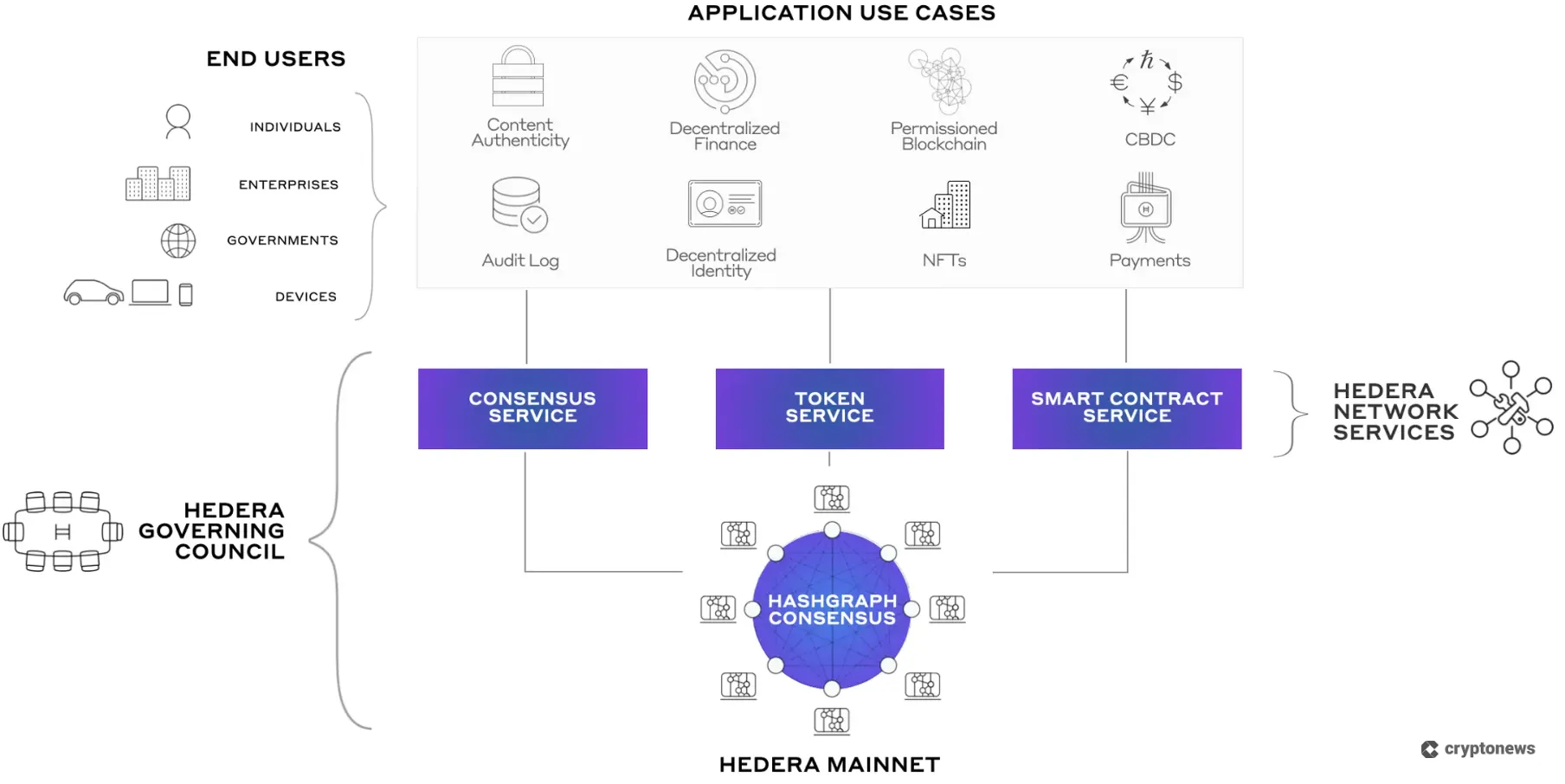
Besides these key services, Hedera offers some proprietary products to support dApp development, such as AI Studio, Asset Tokenization Studio, Stablecoin Studio, and Hedera Guardian — a decentralized solution for environmental assets.
What Is XRP?
XRP is the native token of XRP Ledger, a public blockchain developed and backed by Ripple Labs, a for-profit company based in San Francisco, U.S. It is used to pay for transaction fees and serves as a liquidity bridge between two fiat currencies in Ripple’s payment ecosystem.
In June 2025, Ripple announced plans to launch the XAO DAO, a decentralized autonomous organization that would allow XRP holders to participate in governance and contribute to the network’s future direction.
XRP Ledger is a semi-decentralized blockchain focused on cross-border payments. Unlike Hedera, it connects with traditional banks through direct partnerships and payment rails, enabling financial institutions and payment providers to use its blockchain and XRP token for more efficient global payments.
It uses a proprietary consensus algorithm different from the popular proof-of-work (PoW) or proof-of-stake (PoS) mechanism. Its Ripple Protocol Consensus Algorithm (RPCA) relies on a Unique Node List (UNL) managed by Ripple Labs.
Today, over 170 validators are seeking a place in the UNL, which currently includes 35 vetted validators with the right to approve transactions.
Thanks to this high degree of centralization, XRP Ledger is more efficient than rigid networks like Bitcoin. It uses very little energy and can process up to 1,500 TPS with nearly instant finality at very low costs.
In August 2025, Ripple formally withdrew its cross-appeal against the SEC, finally ending the years-long lawsuit. This reinforced XRP’s non-security status and created a path for institutional products like spot ETFs.
Ripple Products and Features
XRP Ledger is the core element in Ripple’s ecosystem, serving as the main tool that powers the payment platform.
Here are the three main products offered by Ripple today:
Payments
Initially known as RippleNet, the primary product was rebranded to Ripple Payments. It enables financial institutions to use XRP and stablecoins for more efficient cross-border payments. The service is available across more than 90 markets and about 50 currencies.
Banks are partnering with Ripple to streamline payment execution and reduce costs. The XRP token is used for on-demand liquidity (ODL), serving as a bridge between two fiat currencies.
Custody
Ripple expanded its use cases and introduced custodial solutions for enterprise clients, providing secure storage for cryptocurrencies like Bitcoin, Ethereum, and stablecoins.
Stablecoin
Ripple launched its proprietary USD-backed stablecoin, RLUSD, at the end of 2024. The stablecoin’s market cap exploded from roughly $50 million in March to over $450 million at the end of June.
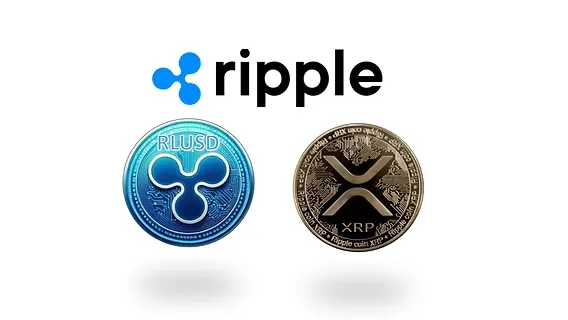
Like XRP, RLUSD can be integrated into the Ripple Payments platform. It is hosted by XRP Ledger and Ethereum, making it compatible with decentralized finance (DeFi) applications.
Ripple has a global network of over 100 entities, including banks and payment providers. Some members include Santander, Canadian Imperial Bank of Commerce, SBI Remit, TransferGo, and Siam Commercial Bank.
XRP vs HBAR: What Are the Differences?
XRP and HBAR are two large-cap cryptocurrencies that propose unique approaches compared to most other public blockchains. However, they also differ significantly from each other.
XRP targets cross-border payment use cases, while HBAR supports multiple enterprise applications.
Let’s explore how they achieve their goals and differ across architecture, performance, use cases, governance, and energy efficiency:
Technology: Hashgraph vs Blockchain
As mentioned earlier, HBAR and XPR represent distributed ledgers but are built on fundamentally different technologies.
Hedera is a decentralized network using DAG-based Hashgraph technology, while XRP Ledger is a semi-decentralized blockchain network.
Hedera’s hashgraph, invented by co-founder Dr. Leemon Baird, is a so-called asynchronous Byzantine Fault Tolerant (aBFT) network. This means that nodes can collectively agree on transaction validity without the constraints of a fixed time window, as in typical blockchains. This enables Hedera to be more flexible and avoid latency.
Thanks to its gossip protocol and virtual voting, the hashgraph quickly achieves consensus on each transaction’s validity and timestamp.
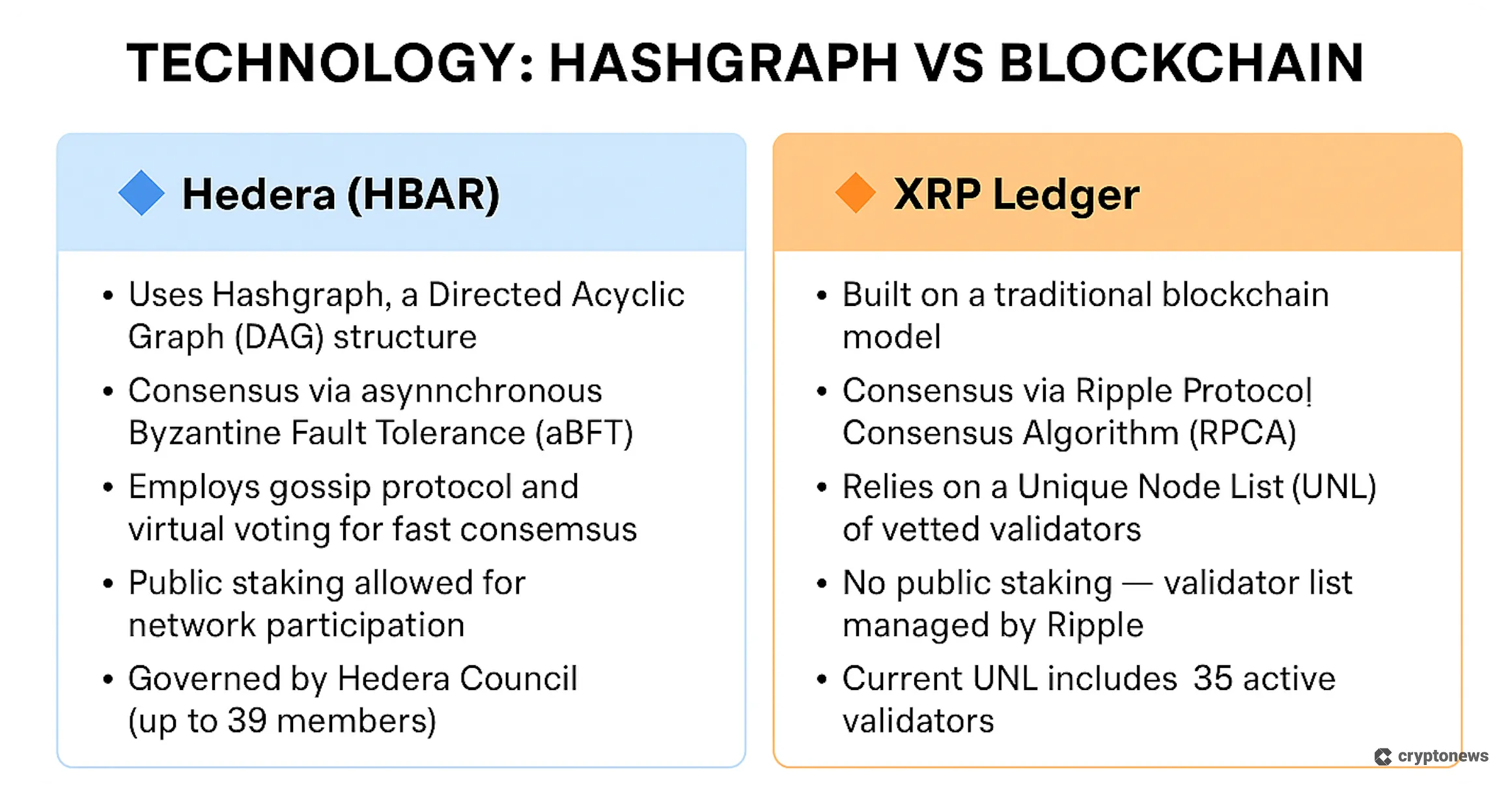
Elsewhere, XRP Ledger represents a linear chain of blocks, where consensus is achieved by the validators accepted in the UNL.
A key differentiator between the two is that Hedera allows the public to participate in network operations through crypto staking, whereas Ripple does not.
A narrow list of blockchain validators manages both networks: Ripple’s UNL currently consists of 35 vetted validators, and the Hedera Council includes up to 39 validator members.
Performance
Due to the higher level of centralization compared to major chains like Bitcoin or Ethereum, both XRP Ledger and Hedera achieve high performance.
| Metric | Hedera (HBAR) | XRP Ledger (XRP) |
| Transaction Speed | Up to 10,000 TPS | Around 1,500 TPS |
| Finality Time | 3–5 seconds | 3–5 seconds |
| Average Fee | Fixed at $0.001 | 0.00001 XRP (~$0.00002) |
| Cost Efficiency | Low and stable | Extremely low, ideal for payments |
| Performance Driver | Hashgraph with parallel consensus | Ripple Protocol with linear validation |
Use Cases
Ripple specializes in cross-border payments, while Hedera is more versatile and supports multiple use cases, including enterprise apps, decentralized ID, supply chains, and micropayments.
However, this doesn’t mean Ripple is limited to payments. XRP Ledger also supports token creation, including XRP meme coins, stablecoins, and tokenized real-world assets (RWAs).
XRP’s main use cases include:
- Bank and fintech payments: Banks benefit from faster and more transparent payments worldwide. Fintechs can streamline payments and payouts and integrate crypto trading and other digital asset solutions.
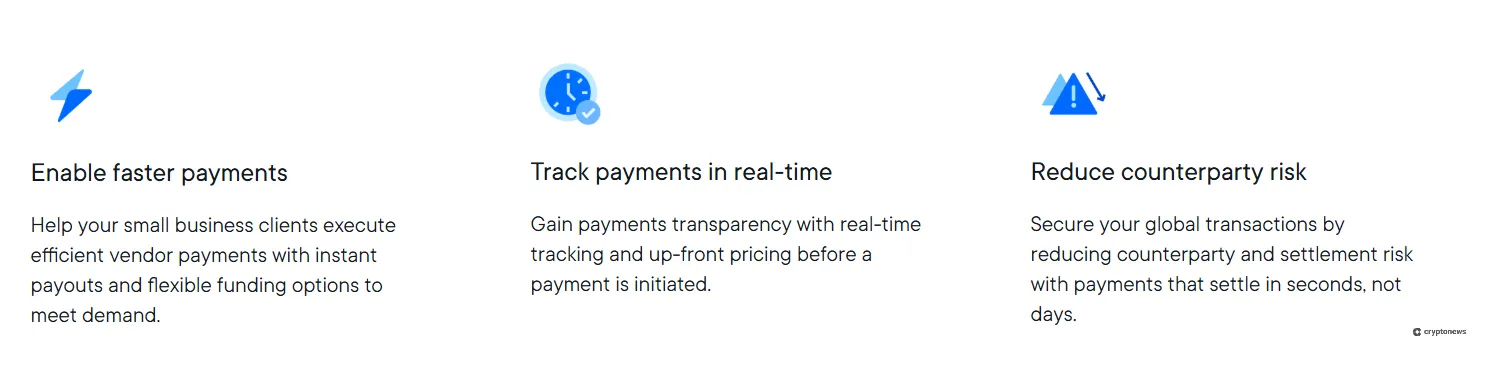
- Payment providers: Payment businesses can scale into new markets to provide more efficient payments and payouts.

Still, Hedera’s ecosystem is more diverse. It offers multi-functional, EVM-compatible smart contracts and tokenization services, enabling users to create utility tokens, stablecoins, and NFTs. Developers can build enterprise and decentralized applications across multiple use cases.
Hedera’s main use cases include:
- AI and data apps: Developers can use the AI Studio to build AI agents on Hedera. EQTY Lab and ProveAI are already using the Hedera platform.
- Payments: Like Ripple, Hedera offers fast payments with low fees. Some of the apps leveraging the network include Banxa, MoonPay, and Six Clovers.
- RWA Tokenization: Hedera allows clients to tokenize assets through digital assets and NFTs. Tokenization is expected to become a major trend in the coming years, as it offers a new way to own assets, improving transparency, efficiency, and accessibility.
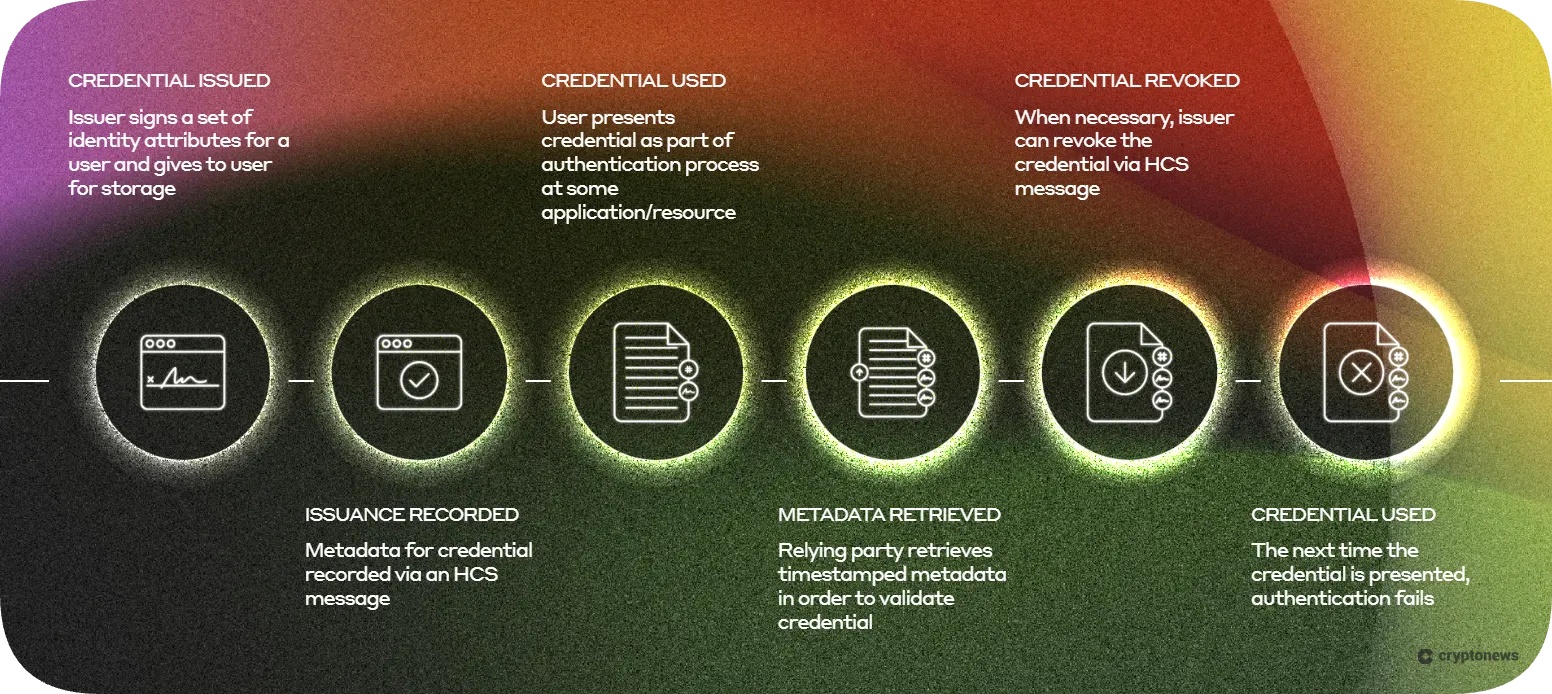
- Decentralized ID: Users can issue, verify, and revoke ID credentials. Earth ID and ServiceNow are already implementing Hedera’s ID solution.
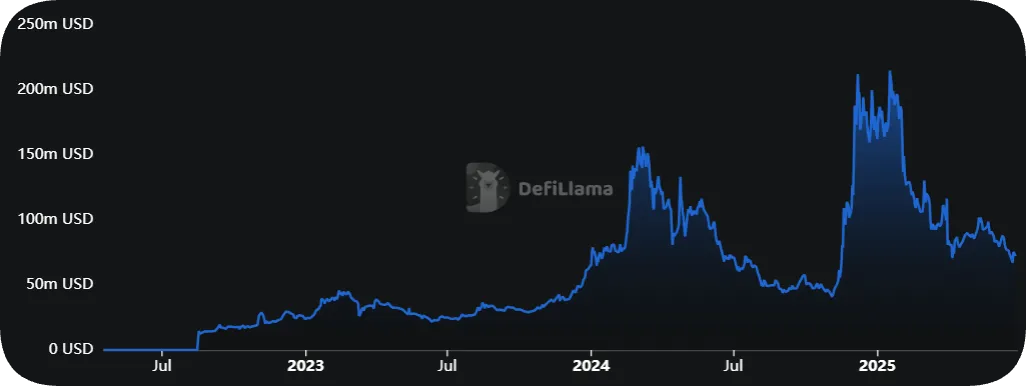
Also, Hedera has a stronger presence in DeFi, hosting lending protocols, decentralized exchanges (DEXs), liquid staking apps, and launchpads. At the beginning of 2025, the total value locked (TVL) in Hedera dApps crossed $200 million, but now sits close to $80 million.
Tokenomics and Governance
The tokenomics model of a cryptocurrency impacts its long-term sustainability.
XRP has a maximum supply of 100 billion pre-mined tokens upon launch. Today, Ripple Labs directly influences the circulating supply of 59 billion tokens.
Ripple Labs initially locked 55 billion XRP into several escrow contracts on the XRP Ledger, releasing 1 billion XRP every month for nearly 5 years. However, most of the unlocked tokens are re-escrowed right away, as Ripple Labs decides internally how much to re-lock and how much to distribute to the open market.
This level of control has raised concerns about centralization. While Ripple plans to roll out XAO DAO to let the community participate in governance, it’s unlikely that XRP holders will have control over the token supply.
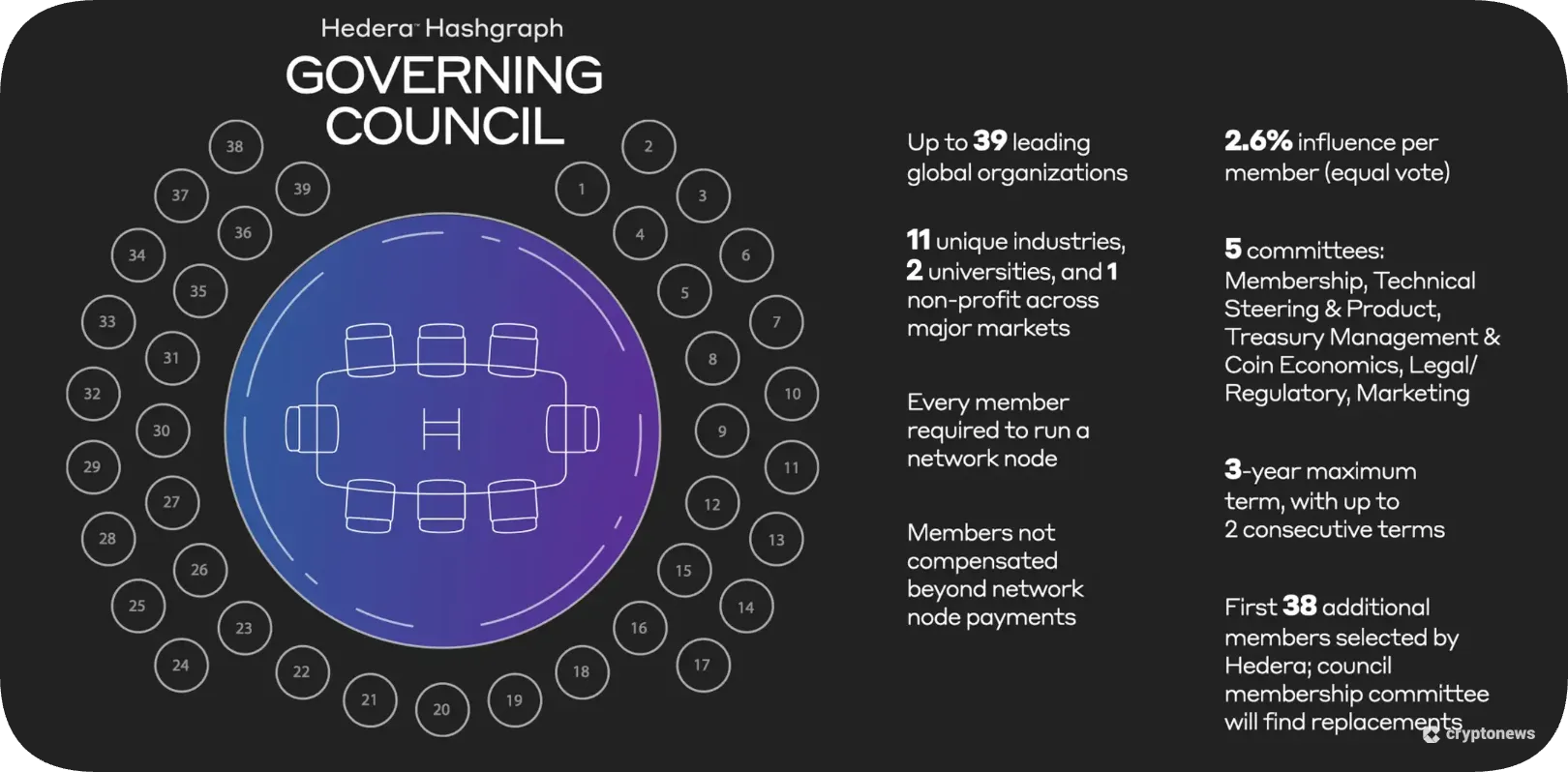
Elsewhere, HBAR has a fixed supply of 50 billion tokens, of which 42.3 billion is circulating. This means that HBAR has less room for dilution. The remaining 15% of the tokens are held in the Hedera Treasury and released gradually. The treasury is managed by the Hedera Council, which includes up to 39 corporate members.
Unlike Ripple Labs, Hedera Council represents a more decentralized and transparent governance layer. HBAR holders can also stake their tokens and delegate them to a Council member for an annual percentage yield (APY) of about 0.03%, which represents the effective inflation rate until all tokens are released.
Security
HBAR relies on the hashgraph, which uses an aBFT algorithm to reach consensus via node gossip. This design reduces the risk of a single point of failure and allows the ledger to reach consensus quickly. The network can tolerate up to 33% of nodes being compromised, which is highly unlikely considering that the Council comprises reputable entities.
Elsewhere, XRP uses the XRP Ledger chain, which relies on a trust-based validation system, the UNL. Here, validators are selected by Ripple Labs to verify transactions collectively. If 80% of these trusted validators agree, transactions are approved.
Therefore, in theory, Hedera may have lower fault tolerance, but the XRP Ledger is more centralized in its validator structure.
Still, both networks have proven resilient over time, maintaining a clean security record. Both networks employ robust consensus mechanisms designed to resist common attack vectors.
Energy Efficiency and Environmental Impact
XRP and HBAR are among the most energy-efficient cryptocurrencies out there.
XRP consumes about 0.0079 kWh per transaction, while HBAR uses only about 0.00017 kWh per transaction, one of the industry’s lowest figures.
This is due to their consensus design. XRP issued the entire supply at launch and didn’t rely on mining or staking. Meanwhile, HBAR minimizes computational processes with its DAG technology.
Both have a minimal environmental impact and rank among the most eco-friendly crypto assets. For comparison, a Bitcoin transaction consumes between 700 kWh and 1,500 kWh.
XRP and HBAR: Comparing Key Metrics
XRP and HBAR are some of the most efficient decentralized networks, but they use different approaches to achieve their goals. As a result, their performance differs as well.
Here is a brief comparison between their key metrics and features:
| XRP Ledger (XRP) | Hedera (HBAR) | |
| Launch Date | June 2012 | September 2019 |
| Consensus Mechanism | Ripple Protocol Consensus Algorithm (RPCA) | Hashgraph: Asynchronous Byzantine Fault Tolerance (aBFT) |
| Governance Model | UNL managed by Ripple Labs | Hedera Council (up to 39 global enterprises) |
| Maximum Supply | 100 billion | 50 billion |
| Circulating Supply | 59 billion | 42.3 billion |
| Transactions per Second | 1,500 | 10,000 |
| Avg Transaction Fee | $0.0002 | $0.001 |
| Finality Time | 3–5 seconds | 3–7 seconds |
| Energy Use per Transaction | 0.0079 kWh | 0.00017 kWh |
XRP Ledger is designed for fast, low-cost cross-border payments, while Hedera is optimized for broader enterprise use.
Both networks settle transactions within seconds, with XRP Ledger being cheaper and Hedera offering higher speed.
Regarding governance, Ripple directly influences its UNL validator group, while Hedera is more decentralized. Ripple also plans to launch the XAO DAO, where XRP will serve as a governance token with voting rights.
HBAR vs XRP: Investment Potential in 2026
HBAR currently ranks 21st on Coinmarketcap, with a market cap of $4.02B, while XRP is the fourth-largest cryptocurrency and the third-largest blockchain network after Bitcoin and Ethereum. Its market cap is currently 20 times larger than that of HBAR.
Let’s compare the two to see where they stand today:
| XRP | HBAR | |
| Price | $1.49 | $0.080 |
| Market Cap | $149.01B | $4.02B |
| Circulating Supply | 99.99B | 50.00B |
| Maximum Supply | 100 billion | 50 billion |
| Trading Volume (24h) | $1.7 billion | $120 million |
Hedera has distributed about 85% of the total HBAR supply. Meanwhile, around 60% of XRP is circulating, but it burns transaction fees and manages its supply to prevent high inflation. This means that prices are mainly driven by demand.
Previously, Ripple faced regulatory challenges in the U.S. when the Securities and Exchange Commission (SEC) treated XRP as an unregistered security and accused XRP Labs of carrying out an illegal securities offering.
Today, investors are more confident in the XRP price outlook following Ripple’s settlement agreement with the SEC in 2024. The token surged about 500% after that ruling, aiming higher in the coming years.
XRP is poised to attract more institutional money with the recent launch of XRP futures on CME, the token’s selection as a strategic asset for the U.S., and the potential approval of the first XRP exchange-traded funds (ETFs), especially as the legal battle with the SEC officially ended in June 2025.
Following potential ETF approval, the next major target for XRP is $5, and the XRP price may reach $10 as adoption grows in the coming years.
HBAR also surged over 700% at the end of 2024, driven by increasing adoption and speculation about the launch of an HBAR ETF. Still, HBAR has never surpassed the $1 mark, which remains a key long-term target.
Can HBAR Reach $1?
Yes, HBAR is one of the crypto assets that could potentially hit $1, but this may not happen in 2026. HBAR has already traded above $0.50, and that target is realistic.
To reach $1, HBAR’s market cap has to soar from the current level of $4.02B to over $43 billion. This could be achieved when Hedera adoption among enterprises accelerates.
How Much Will HBAR Be Worth in 2026?
The HBAR price has corrected after reaching multi-year highs of $0.40 at the end of 2024 and $0.50 in 2025.
So far, the token has found support at $0.12, which has been tested multiple times and is holding.
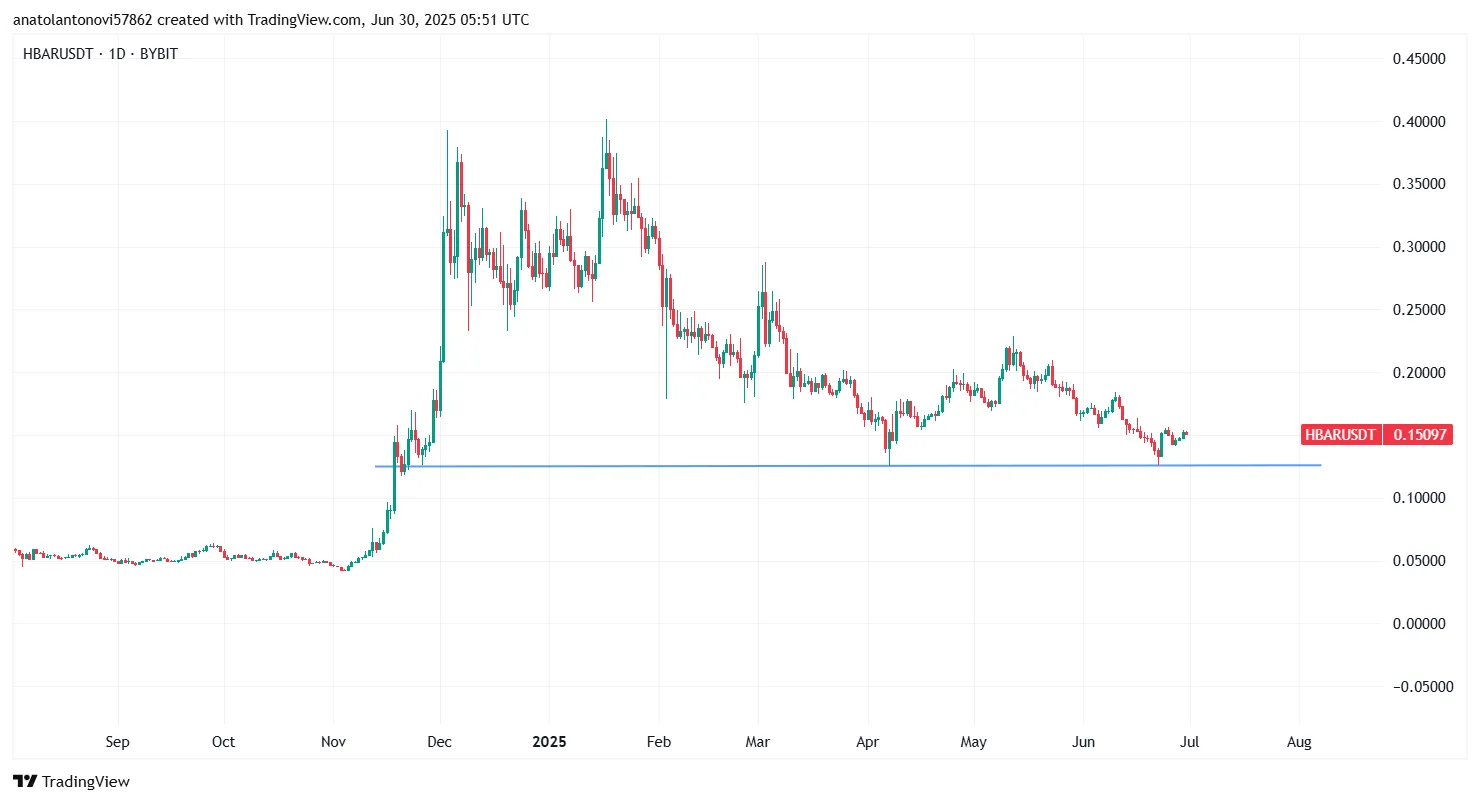
However, the price is forming a descending triangle, which is a bearish pattern. If the support doesn’t hold in the coming months, it may end the year at around $0.10.
If the broader crypto market remains bullish and Hedera continues to expand, the HBAR price is predicted to recover and break above previous multi-year highs at over $0.40.
How Much Will XRP Be Worth in 2026?
XRP has been trading within a symmetrical triangle after a strong uptrend at the end of 2024, which suggests a potential continuation pattern.
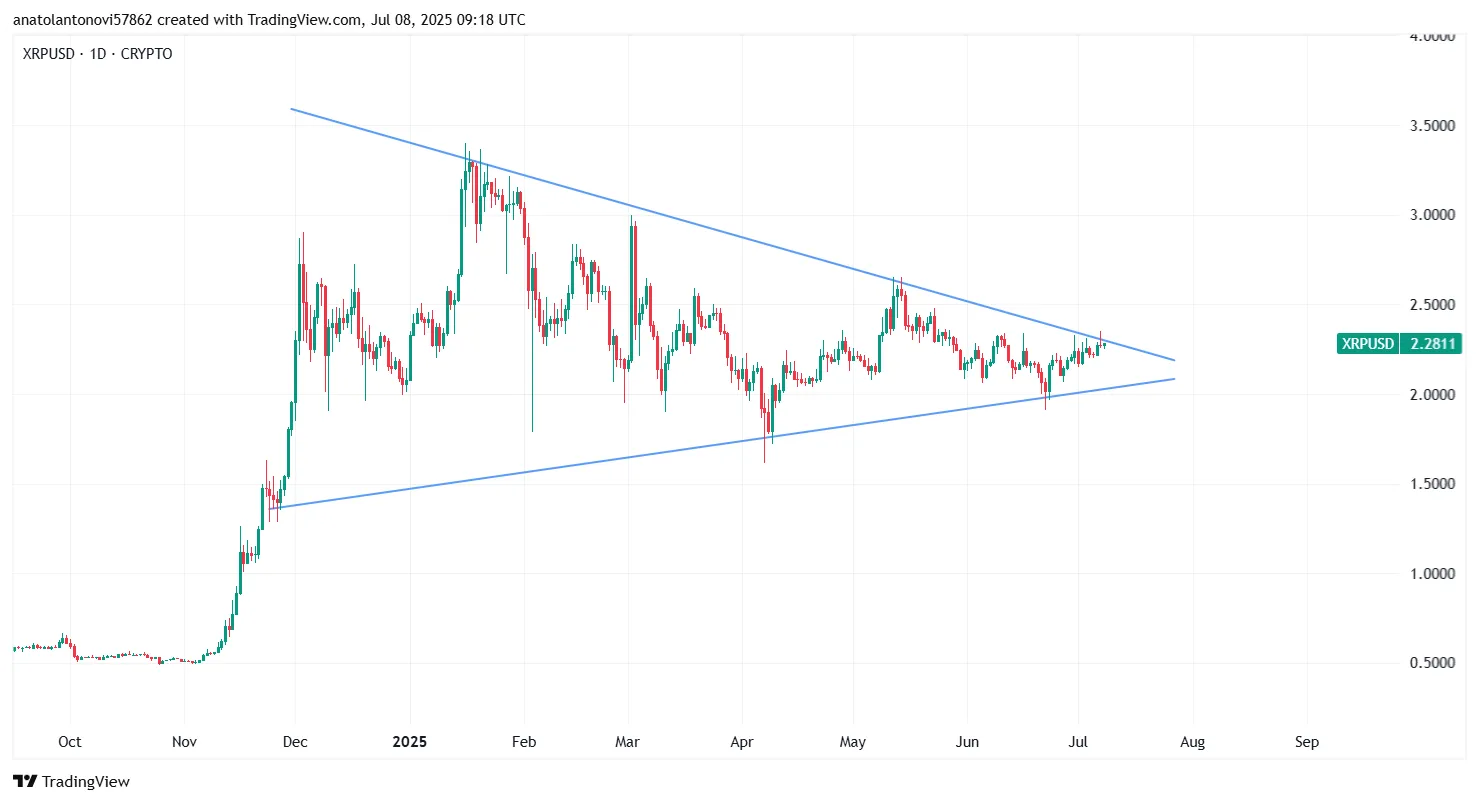
As a rule, symmetrical triangles are neutral, and further direction depends on the breakout direction.
However, for XRP, bulls have a stronger case given last year’s rally and potential major fundamentals. Specifically, the SEC is working on developing a unified framework to streamline approval of crypto ETFs, and XRP may benefit from it.
If the price breaks above the triangle’s upper line, the next target for XRP by the end of the year is $3.5.
How High Can HBAR Realistically Go?
HBAR can break above $1 long-term and even aim higher. The token has already been proven to rally. However, a move of that magnitude needs several bullish factors, such as greater integration with SWIFT and other traditional financial systems, higher adoption among enterprises, and robust investor sentiment across the broader crypto market.
If Hedera is a success story like Solana, it could become one of the top 10 largest cryptocurrencies. However, competition in crypto is fierce, and the high volatility in crypto makes future performance difficult to predict.
How High Can XRP Realistically Go?
In the long term, $5 is a realistic target for XRP, which could become the third-largest cryptocurrency by market cap after Bitcoin and Ethereum.
Two major factors could propel the token to new highs:
- The SEC’s approval of the first XRP ETF would unlock significant institutional investment. Polymarket bets currently suggest a 95% chance that the U.S. regulator will give the green light.
- Ripple’s plans to roll out a DAO may add functionality to XRP and potentially attract more retail investors.
HBAR and XRP Partnership: Fact or Speculation?
Hedera and Ripple are high-performance networks that collaborate with traditional companies and organizations.
Given their overlap in use cases, there have been rumors of a potential collaboration between the two projects.
However, there is no direct partnership between Hedera and XRP Ledger.
Still, the two collaborate on several fronts. For example, Hedera and Ripple, along with Algorand and Cardano, are founding members of the DeRec Alliance. The organization focuses on crypto safety and helps users recover lost funds.
Also, at the end of 2024, Hedera, Ripple Labs, and Aptos Labs joined forces for the MiCA Crypto Alliance to enhance compliance with European Union markets.
In 2025, both HBAR and XRP were included in SWIFT’s blockchain trials for cross-border payments, which signals growing institutional interest in their technology. Still, this participation is independent, as they are co-participants and not collaborators.
Final Thoughts on XRP vs HBAR
XRP and HBAR are leading cryptocurrencies backed by efficient, enterprise-oriented decentralized networks. However, they take different approaches to achieving high performance and scalability.
XRP Ledger offers high speed and near-instant finality at the expense of decentralization, directly influencing network operations and circulating supply. Meanwhile, Hedera uses its hashgraph and the gossip protocol to increase throughput and streamline efficiency.
XRP can boast higher integration with traditional finance systems, but large companies like Google, IBM, Boeing, and LG back Hedera.
Both networks are super fast, energy-efficient, and cost-effective. However, their tokenomics, governance, and use cases differ significantly.
The choice between XRP and HBAR should align with your investment goals. Both have the potential to generate hefty returns during the next bull cycle.
FAQs
Which is better: HBAR or XRP?
Which is more scalable: HBAR or XRP?
Will HBAR overtake XRP in market cap?
Which is more developer-friendly: Hedera or XRP Ledger?
Can HBAR and XRP be used together in multi-chain applications?
References
- Blockchain vs Hashgraph visual (IntellectSoft)
- Hedera Ecosystem Model Diagram (Hedera)
- Hedera Decentralized ID Visual (Hedera)
- Hedera DeFi TVL (DefiLlama)
- Hedera Council Model (Hedera)
- HBAR Chart (TradingView)
2M+
250+
8
70







 in numbers

About Cryptonews
Our goal is to offer a comprehensive and objective perspective on the cryptocurrency market, enabling our readers to make informed decisions in this ever-changing landscape.
Our editorial team of more than 70 crypto professionals works to maintain the highest standards of journalism and ethics. We follow strict editorial guidelines to ensure the integrity and credibility of our content.
Whether you’re looking for breaking news, expert opinions, or market insights, Cryptonews has been your go-to destination for everything cryptocurrency since 2017.



 Camila Karam
 Ihssan El Medkouri