

Prediction Market Risks (2026): A Guide to Security, Ethics, and Addiction
We believe in full transparency with our readers. Some of our content includes affiliate links, and we may earn a commission through these partnerships. However, this potential compensation never influences our analysis, opinions, or reviews. Our editorial content is created independently of our marketing partnerships, and our ratings are based solely on our established evaluation criteria. Read More





Prediction markets are booming, and not just for fun and profit. They’re at the center of some alarming headlines. When Venezuelan President Nicolás Maduro was captured in a surprise raid, one anonymous trader’s $30,000 bet on his ouster turned into $400,000 in winnings overnight. It was a jaw-dropping payoff that thrust these markets into the spotlight.
A prediction market, at its core, is a platform where people buy and sell shares tied to the outcome of future events. Think of it as a stock market for questions: Will candidate X win the election? Will a company merge by year’s end?
Each outcome has a price reflecting the crowd’s belief. If you’re right, you profit; if not, you lose your stake. It sounds straightforward, even fun, a way to turn knowledge into money, but as the 2026 mania shows, there’s more to the story.
This guide shines a light on the dark side of that forecasting frenzy, especially systemic risks like infrastructure failures, individual risks like addiction and behavioral issues, and ethical risks like moral considerations and insider trading. Let’s dive into each and arm you with a 2026 survival guide for the wild world of prediction markets.
- In This Article
- In This Article
- Show Full Guide
Systemic Risks: When the Infrastructure Fails
Even the best prediction market is only as solid as its underlying infrastructure. Unlike traditional betting, decentralized prediction markets rely on smart contracts and oracles. If these components fail, your money is at risk. A glitch or exploit can mean a market doesn’t resolve correctly, or at all.
Below, we explore two key systemic dangers: oracle manipulation and smart contract vulnerabilities.
1. Oracle Manipulation and the “Truth” Problem
Prediction markets live or die by getting the right answer to each bet. Who verifies that “Yes, candidate X won” or “No, the merger didn’t happen”? The job falls to blockchain oracles, and they can be tricked. In theory, oracles are supposed to report the truth of an event. In practice, bad actors can feed false data or game the oracle dispute process.
Consider how Polymarket resolves markets. It uses UMA’s optimistic oracle: someone proposes the outcome, and if no one disputes it within a short window, it’s accepted. If disputed, token holders vote on the outcome.
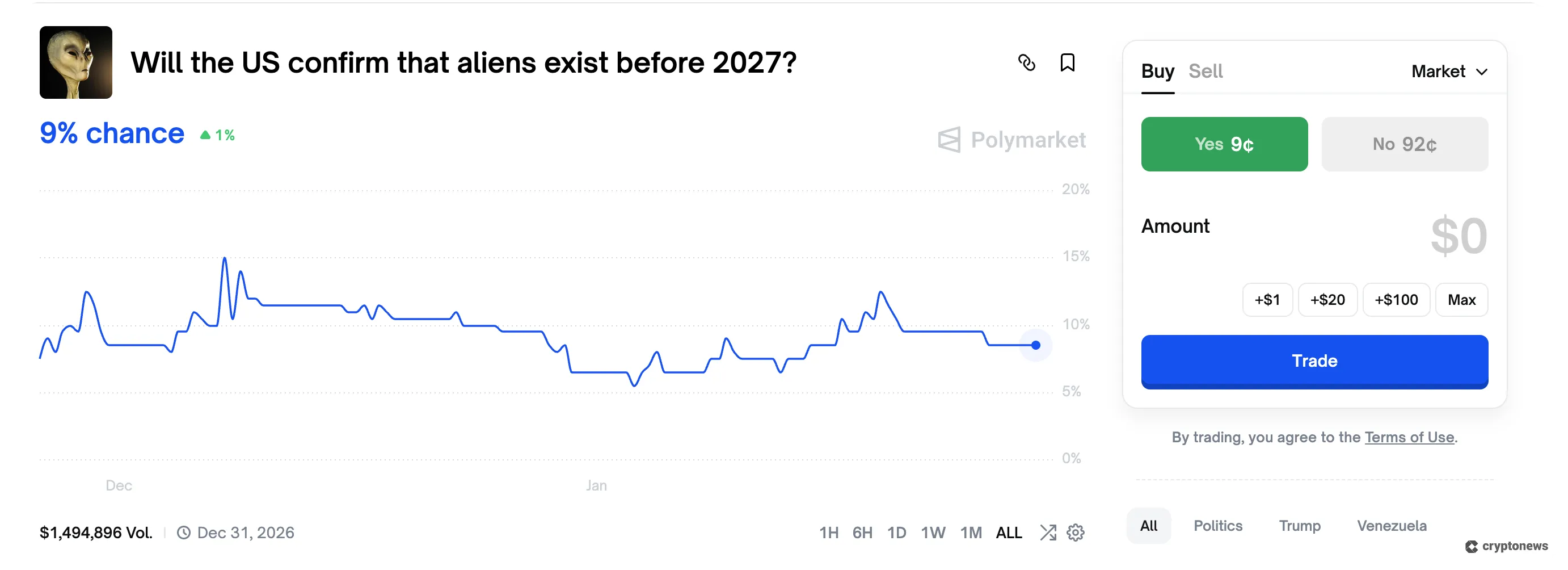
In late 2025, Polymarket traders were stunned when a $16 million market on UFO disclosures resolved “Yes” despite no evidence of any files being released.
How? A few whale investors exploited the oracle process. They bought shares at 99% odds and used their sway in the token-vote to force a false “Yes” outcome, cashing in big. Other users were outraged, calling it a “proof-of-whales” system where deep pockets overrode reality.
In another case, a think-tanker literally edited an official online map to trigger a payout on a Ukraine war question. The contract was set to resolve based on a specific map’s data, so the manipulator changed the map, briefly fooling the oracle into recording a territorial gain that never actually happened.
These incidents expose the “truth” problem: a crafty player can hijack the resolution mechanism, making lies pay. Oracles are supposed to be the impartial judges of prediction markets. When they’re compromised, trust disappears. If a market says you lost a bet you clearly should have won, why would you ever play again?
As Andy Hall, a prediction market analyst, puts it, “If adversaries can influence resolution by editing Wikipedia, planting fake news, bribing oracles, or exploiting procedural loopholes, the market becomes a game of who can manipulate best, not who can predict best.”
2. Smart Contract Vulnerabilities & Liquidity Traps
Smart contracts hold the money and execute payouts. But code can have bugs. If a contract locks up or a market’s rules fail, you can land in a liquidity trap where your funds stay stuck in a bet that never pays out.
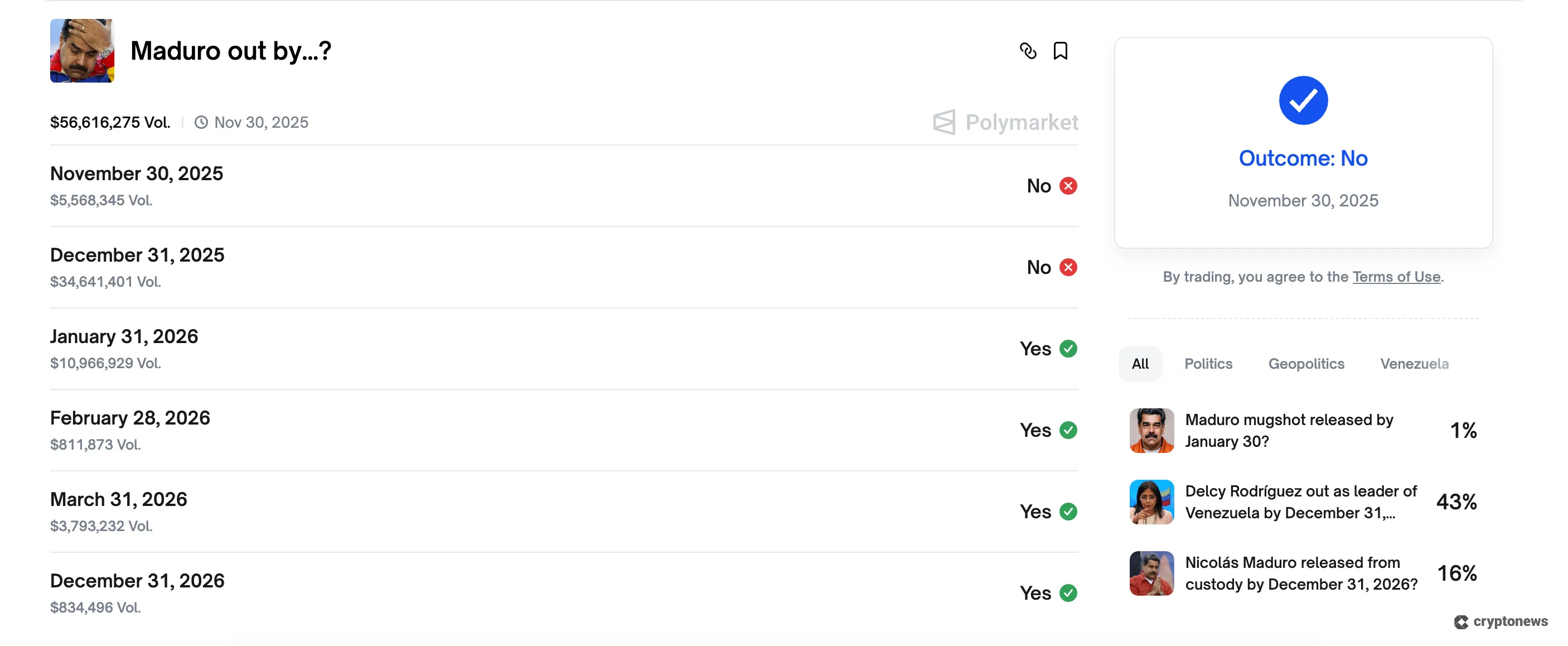
In January 2026, Polymarket users wagered over $10 million on whether the U.S. would invade Venezuela. After U.S. forces captured President Maduro in a commando raid, many expected a win.
The platform said the raid did not qualify as an invasion under the market’s rules. One user wrote: “Words are redefined at will… That a military incursion and kidnapping of a head of state are not classified as an invasion is plainly absurd.”
Consider a more basic failure: a bug that prevents settlement. On decentralized platforms, a central authority to resolve or refund contracts manually does not exist. Thus, money may become stuck forever. Even though no major prediction market has been hacked so far, contract exploits are a part of DeFi history.
The “Insider Trading” Crisis in Decentralized Markets
The best prediction markets thrive on information. But what if some players have too much information?
In 2026, decentralized markets are facing an insider trading crisis, the kind of scandal that traditional finance has laws and handcuffs for, but crypto markets struggle even to detect. Currently, government officials, corporate insiders, or even well-connected amateurs can trade on non-public information with near impunity on unregulated platforms.
Let’s look at what’s happening and why enforcement is so difficult.
Information Asymmetry: The 2026 Landscape
It’s often said that knowledge is power, and nowhere is that more literal than in prediction markets. If you know something big before the rest of the world does, you can make significant profits.
In late 2025 and early 2026, we saw a rash of eerily well-timed bets:
- Maduro’s Capture: Hours before a U.S. Delta Force team surprised the world by seizing Venezuela’s President Maduro, a newly made Polymarket account bet over $30,000 that Maduro would be out of power by the month’s end. The trader walked away with over $400,000 profit, drawing heavy scrutiny. The precision timing and scale made it evident that there was some insider knowledge, perhaps someone involved in (or tipped off about) the military operation.
- Nobel Prize Leak: In October, Venezuelan opposition leader María Corina Machado won an unexpected Nobel Peace Prize. Just hours before the announcement, a brand-new account dumped $68,000 into a bet that she’d win, netting over $50,000 when she did. Norwegian authorities opened an investigation, suspecting a leak of the Nobel committee’s decision.
- Even White House Briefings: On a smaller scale, bettors even found an edge in press conference schedules. One Polymarket contract asked whether a White House briefing would last more than 65 minutes. It had a 98% chance of “Yes” until suddenly, with seconds to spare, the press secretary cut it short. Coincidence or not, that abrupt end delivered instant payouts to the few contrarians who bet “No” and underscored how no event is too mundane to monetize. If someone behind the scenes can nudge a timeline or outcome, they might profit.
In response to these improbable moments, regulators have started taking action. U.S. Congressman Ritchie Torres introduced the Public Integrity in Financial Prediction Markets Act of 2026 to ban federal officials from betting on any government action.
His argument is simple: “A bet on government action by a government actor is always a bet against the public interest.” While the bill is still making its way through Congress, its very existence shows how real the insider threat has become.
It’s not just the government, though. Corporate insiders could do the same. Imagine an employee betting on their company’s merger rumor, or a pharma scientist shorting an FDA approval market after seeing trial results.
In 2026, any piece of non-public info can be weaponized for profit on these platforms. The playing field isn’t level, which undermines the whole premise of crowd wisdom.
Why Decentralization Makes Enforcement “Nearly Impossible”
Decentralization makes cheating harder to punish because it removes the identity layer. On traditional exchanges, suspicious trades can be investigated and tied to real people who face legal consequences.
On decentralized prediction markets, trades happen through anonymous crypto wallets, often with no KYC checks. Everyone can see that a wallet made a fortune on a well-timed bet. Proving who controls that wallet is the hard part.
Blockchains show every trade, but transparency does not solve the attribution problem. Without identity verification, regulators struggle to link a wallet to a specific individual. For example, a U.S. general could be betting from home using nothing more than a MetaMask address, since controlling insiders is virtually impossible on non-custodial, no-KYC providers.
Platforms often cannot probe users either. Polymarket is illegal in certain jurisdictions and blocks users, but anyone with a VPN and some crypto can bypass that.
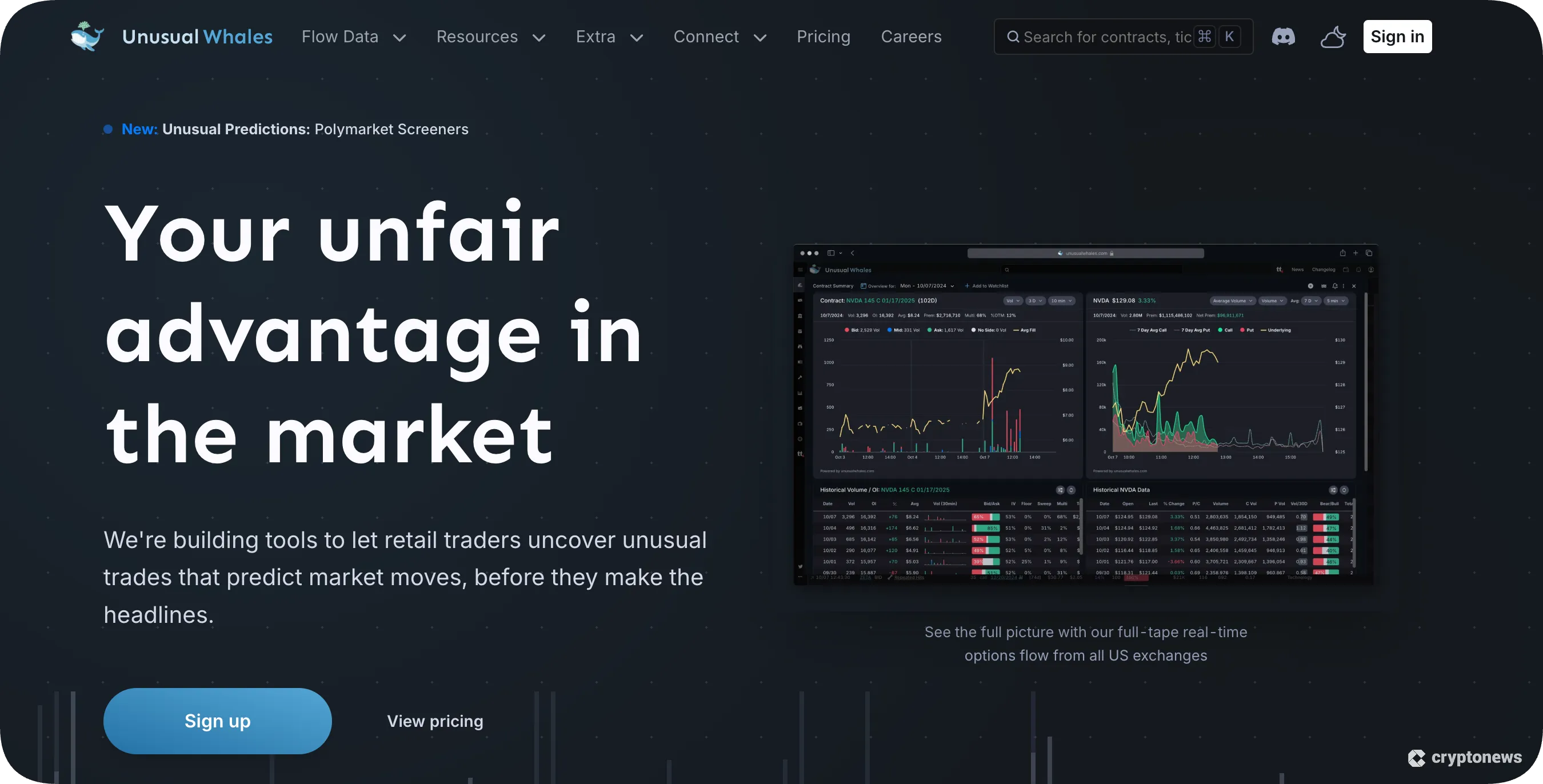
Monitoring is also tough, though the community is adapting. Independent watchdogs use on-chain analytics to spot unusual patterns. In 2026, Unusual Whales launched a tool called Unusual Predictions that detects potential insider trades in real time by tracking outsized bets and suspicious timing across Polymarket.
This can raise alarms, but it does not stop the activity. Sophisticated insiders can also split bets across multiple wallets or use privacy tools. So far, enforcement agencies have not prosecuted a crypto prediction market insider case. They would need to prove both identity and misuse of confidential information. That bar is high. In practice, it is the honor system, and there is a lot of money on the table.
Red flags to watch include:
- A brand-new wallet places a huge bet right before major news breaks.
- Whale piles into an illiquid market and moves odds from 5% to 50% overnight.
- Multiple wallets bet the same way in quick succession.
- Big deposits, one or two trades, then immediate withdrawals after settlement.
- Repeated hit-and-run wins around sensitive events.
- Sudden odds moves with no matching public news catalyst.
- Large positions split across many wallets to look smaller.
- Heavy use of privacy tools immediately before or after major trades.
The Psychology of “Forecasting” vs. Addiction
“It is not gambling, I am doing analysis.” This is a typical chant among the fans of prediction markets, who tend to be very educated, competitive people who never consider themselves problem gamblers.
You are predicting elections, not rolling dice, are you? The uncomfortable truth is that prediction markets are as addictive as any casino, possibly more so, since the element of skill produces an illusion of control.
In this section, we explore why these markets can hook you, how to recognize the signs of addiction, and steps for responsible trading (including when to seek help).
Why Prediction Markets Are “Harder to Admit” Than Gambling
Prediction markets can hook you through the skill illusion. With sports betting or slots, it’s easier to admit you’re gambling. But political and financial markets feel like research.
You read polls, track breaking news, and build models. You tell yourself this is investing or educated speculation. The self-image becomes: “I’m a trader, not a gambler.” High-achieving professionals and data nerds fall into this trap because the activity looks intellectual, so it feels safe.
The reward system in the brain reacts identically when analyzing the election possibilities or playing blackjack. You receive a dopamine spike when you make a correct prediction, and prediction markets provide unending triggers.
The odds change with each news update, and a poll, headline, or tweet can shift the price and change your mood. There are traders who update feeds on election night as intensely as a day trader monitors ticks. The outcome is a buzz similar to a slot machine spin; however, the reels are poll numbers and notifications.
In 2026, it is a 24/7 cycle of Discord, forum chatter, and events gamified. You can be wishing that something will happen just because you placed a bet on it, even when it is bad news. That creates dopamine exhaustion, stress, and cognitive overload. Some therapy groups report that addicts feel constant anxiety about missing the next update. The illusion of control keeps you in, even when losses pile up.
⚠️ Self-Appraisal Warning Box
Before you place the trade, pause for 10 seconds and answer the following questions. This has been shown to reduce compulsive behavior in 2026 studies:
- Am I analyzing, or chasing a rush?
- If this loses, will I try to win it back today?
- Would I still place this bet if I could not check the odds for 24 hours?
If any answer worries you, stop and step away.
Seeking Help & Responsible Trading
When prediction markets cease to be a hobby, take action. Compulsion may be silent, and therefore, watch your habits and stress levels.
Warning signs include:
- Checking odds in the early morning and late at night, compulsively checking poll data, and worrying that you will miss the news.
- When you notice you are not sleeping during a 24-hour election marathon, not going to work, or canceling plans to track markets.
- Doubling down on a losing position, concentrating on a small number of outcomes, or continually adding money after a volatile period by buying the dip.
- Lie or underestimate the time and money used.
- Emotional decline, anxiety, irritability, depression, or cognitive fatigue because you feel that you have to keep up.
Have time and budget constraints, and never gamble with money you cannot afford to lose. Take a self-assessment prior to every trade. If it’s no longer fun, quit. Apply self-exclusion to a cooling-off period.
⚠️ To seek assistance, refer to the following sources: the NCPG 24/7 helpline in the U.S. (1-800-522-4700); chat and support groups from GamCare and GambleAware in the UK; or find a therapist with Kindbridge.
Helpful impartial support sites:
Moral and Ethical Risks: The Dark Side of Incentives
In addition to personal risk and technical glitches, there is a disturbing ethical concern with prediction markets. They are able to bet on virtually anything, including wars, calamities, and even deaths. When human tragedy is a gamble, it poses hard ethical questions. Will prediction markets provide perverse incentives? Do they numb us to the sufferings of the world?
Betting on War, Tragedy, and Assassinations
Prediction markets, including Polymarket alternatives, can let you bet on deadly events such as wars, coups, and leaders being removed from power.
The idea is that prices reflect information, but the risk is uglier — if you can win big from violence, you may start hoping it happens. That’s the perverse incentives problem, and it’s not theoretical.
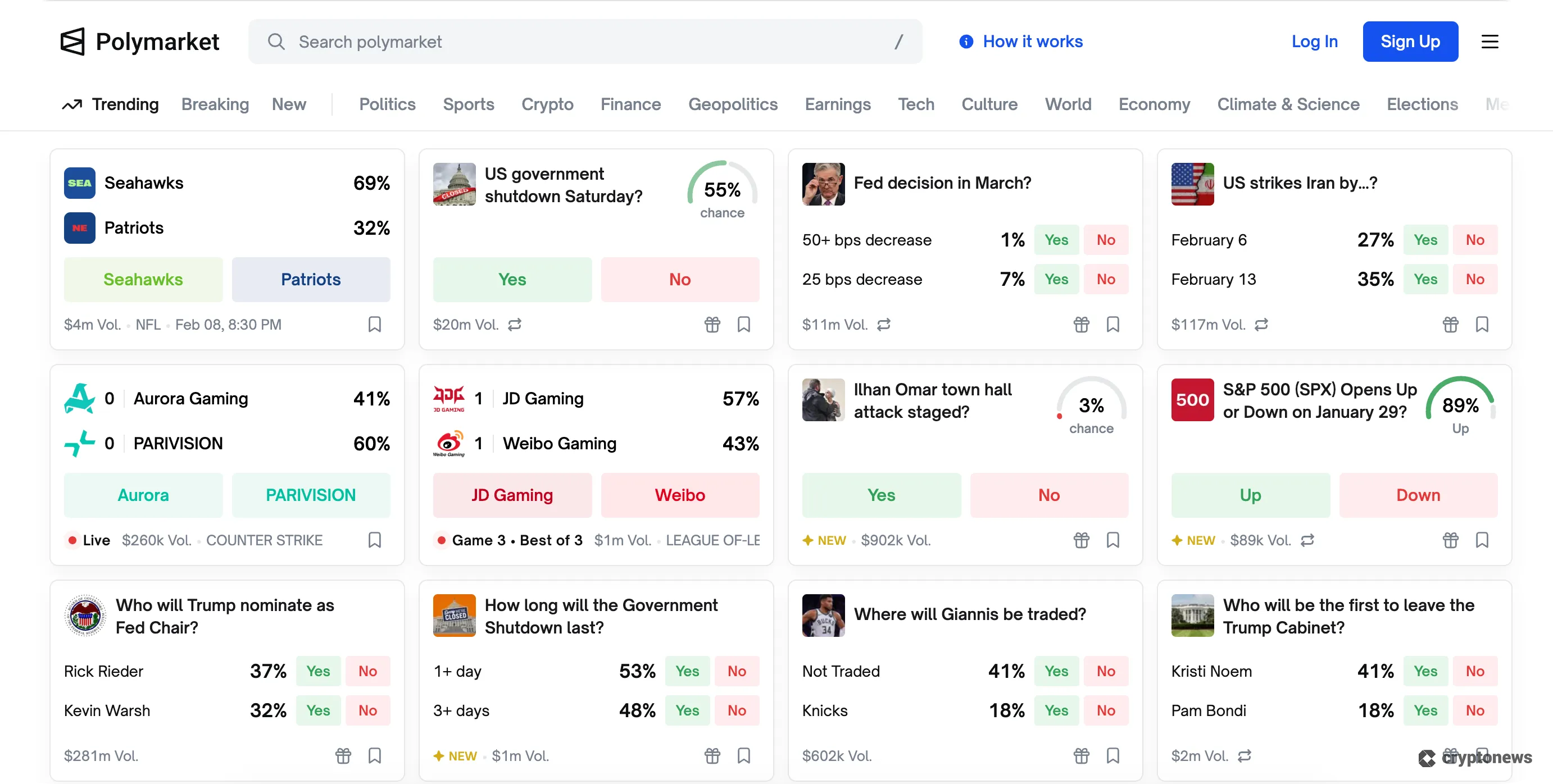
Traders are already betting tens of millions on geopolitical flashpoints. Polymarket lists markets like “Will the U.S. invade Country X by date Y?” or “Will Leader Z be removed from power?” After the Venezuela operation and Maduro’s capture, the odds of Iran’s Supreme Leader being deposed by June jumped from 20% to 36%, for example.
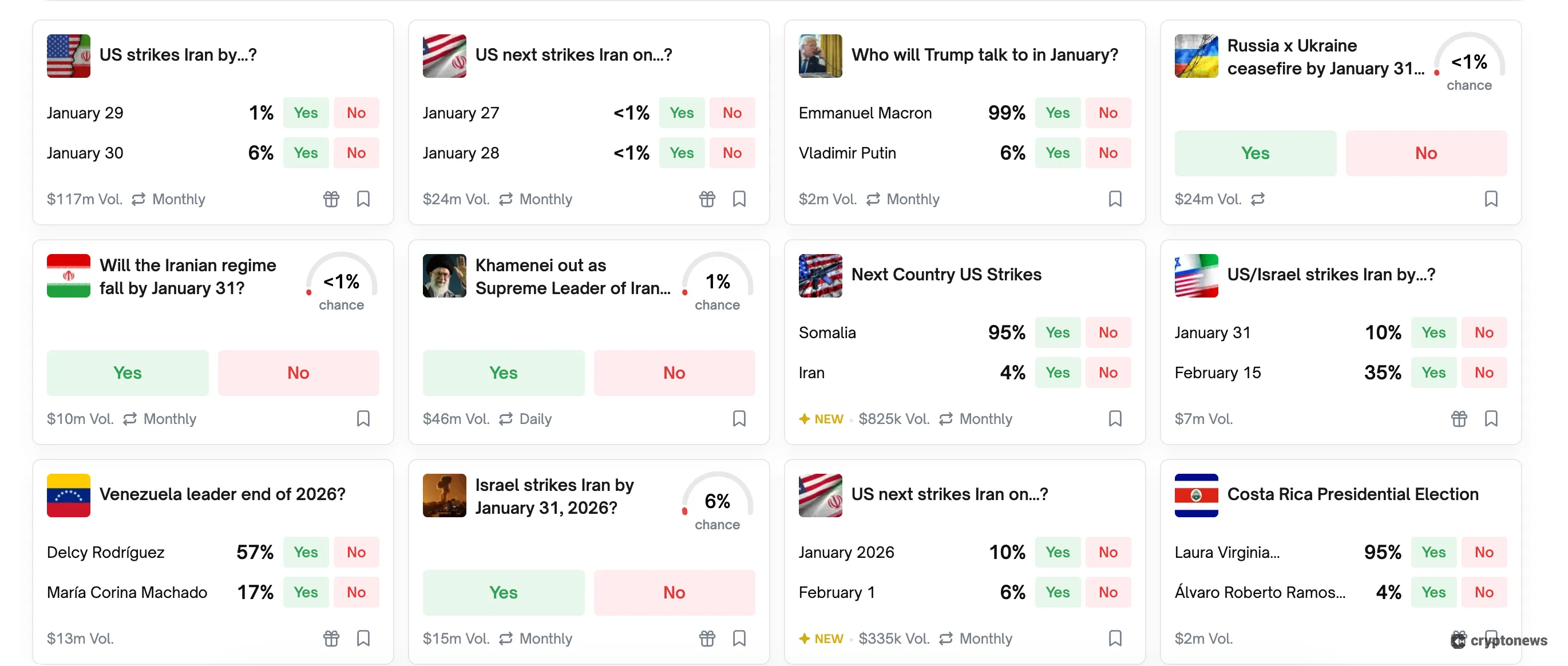
The incentives get darker when you consider who can trade. If insiders who influence military decisions can secretly bet, they gain a financial motive to push events in their favor. Even if you are not an insider, you can still end up rooting for conflict because your portfolio wants it. Desensitization follows.
Another example is the live map of the Ukraine war, built by a volunteer, that was integrated into Polymarket. You could hover over a besieged city and see the odds of it falling. Someone’s home became a tradable data point priced to three decimal places. This can numb empathy over time.
The “Assassination Market” Philosophical Trap
The assassination market idea, first described in a 1990s essay, is the worst-case ethical scenario for prediction markets. The theory is simple and disturbing: a market tied to a specific death could create an accidental bounty by offering a huge payout if that person dies by a set date.
In theory, it works like this:
- A market asks if a public figure will die before a date, with Yes and No shares.
- If Yes trades low, a malicious actor buys lots of cheap Yes shares.
- If they cause the death, Yes pays out. The more people bet No, the bigger the payout pool.
Real-world attempts have been negligible and quickly shut down. When Augur users created death markets in 2018, the crypto community and media reacted with outrage, and Augur’s reputation took a hit.
The point is that some topics should be off limits because crossing that line can invite crime, backlash, and stricter regulation.
Desensitization & The Gamification of Reality
If you spend enough time on prediction markets and have fully learned how prediction markets work, you can start treating real life like a sportsbook. News stops being news and becomes a price move. When something tragic happens, you might change your odds and positions. Such an attitude can desensitize you.
Platforms know this critique. Some try to prevent the worst outcomes by adding moral guardrails to what they list. The gap is wide between regulated venues and the best unregulated decentralized platforms.
The table below shows how each type handles controversial markets and why it changes your risk.
| Ethical/Moral Guardrails | Regulated Platform (Kalshi, Bitpanda) | Unregulated DEX (Polymarket, decentralized protocols) |
|---|---|---|
| War & Conflict (wars, military strikes, regime change) | ❌Not allowed. Regulators refuse these markets. | ✅Permissible. Invasions, coups, leader removals treated as tradable topics. |
| Human Tragedy (natural disasters, pandemics, mass casualty events) | ❌Highly restricted or not allowed. Often seen as tasteless. | ✅Often allowed. The community may object, but there is no formal ban. |
| Assassinations/Crime (death pools, harm to specific people) | ❌Strictly banned. No regulator would approve it. | ❌Unofficially banned by platform policy. Fully permissionless protocols have seen attempts. |
| Elections & Politics (insider-sensitive outcomes) | ✅Allowed with heavy scrutiny. | ✅Allowed broadly. A core category, with insider risks. |
| Miscellaneous (celebrity gossip, pop culture) | ✅Usually allowed, but some avoid frivolous markets. | ✅Allowed and common, as long as it attracts liquidity. |
Regulated hubs rely on law and compliance teams to filter markets, while unregulated prediction markets are based on community standards and market appetite. It is up to you to decide what you can live with. Ask, is profit causing you to promote harm? If the answer is yes, you should step back.
Comparison: Regulated vs. Unregulated Prediction Markets
In 2026, prediction markets split into two camps. Regulated platforms follow financial or gaming rules and use KYC checks. Unregulated decentralized prediction markets run on blockchain with few restrictions. Both let you trade events, but they do not carry the same risks. Your choice changes what can go wrong.
The table below compares the core differences. It shows how each camp handles insider trading, asset safety, moral guardrails, rules, and rewards. If you know what you are signing up for, you avoid expensive surprises.
👉 Looking for a regulated prediction market? Read our Kalshi vs. PredictIt comparison guide and Polymarket vs. PredictIt comparison guide.
| Risk Category | Regulated Platform | Unregulated Platforms |
|---|---|---|
| Insider Trading | Strictly prohibited. Users are KYC-verified. Surveillance monitors unusual trades. | Virtually unpoliceable. No KYC enables anonymous insider trading. Wallets are visible, identities are not. |
| Asset Safety | Regulated custody. Funds sit in monitored, possibly insured systems. Client assets segregated. Audits. Minimal smart contract risk. | Smart contract risk. Self-custody or contract custody. No FDIC or insurance. Bugs or hacks can wipe funds. You manage wallet security. |
| Moral Guardrails | Markets vetted for ethics and legality. No extreme contracts (assassinations, terrorism). Regulators block public interest harms. | Mostly permissionless. Contentious markets appear (wars, pandemics, political violence). You set your own boundaries. |
| Transparency & Rules | Fixed rulebooks, detailed specs, official sources, and clear dispute processes. Support exists for questions. | Buyer beware. Descriptions can be ambiguous. Oracles and disputes can get messy. Community votes can feel arbitrary. |
Regulated platforms feel more like traditional exchanges, with consumer protections and fewer surprises. Unregulated options offer freedom and more market variety, but you carry the full weight of code risk and unclear outcomes. If you go decentralized, size down, and stay alert.
How to Trade Safely: A Risk Mitigation Checklist
By now, you might be wondering “Is Polymarket legit and safe?” What about other prediction markets like Kalshi or Opinion? They can be, if you approach them with caution and good practices.
This section is a survival checklist for safer trading. We’ll cover selecting the right platform, setting personal limits, and verifying the technical integrity of markets. These steps won’t eliminate risk, but they will dramatically reduce your chances of being caught off-guard by the pitfalls we discussed.
1. Use a Regulated Command Center
In a DeFi-heavy world, keep one foot on solid ground. Prediction markets should be based on a regulated platform whenever possible, such as Kalshi. Monitoring establishes minimum requirements, minimizes fraud, theft, and dubious results.
A regulated hub also provides support, dispute resolution, and segregated client funds so that your money is not used to settle platform debts. You can continue to trade in decentralized markets, but keep your main bankroll on a reputable wallet and move only small amounts per bet. It limits damage if a contract breaks.
The most well-known regulated platforms in the U.S. are:
- Kalshi
- Polymarket U.S.
- Gemini Predictions
- DraftKings Predictions
2. Set Hard Time Limits
News cycle and prediction markets are 24/7. The only weapon against addiction is time management. The continuous updates condition you to pursue the next notification, rather than the most optimal choice.
Establish strict limits on a daily or weekly basis. Make them specific. As an example, take 30 minutes after dinner and then quit. Install phone timers, focus mode, or browser extensions to block the site when you reach your limit. To be more organized, you can have two brief check-ins in the morning and evening rather than scrolling endlessly.
Protect your routines. Do not trade just before going to sleep. High-stakes decisions and blue light destroy sleep. Don’t wake up to check odds. In case you have been staring at an election market all day, six hours later, press a reset button — get up, drink water, and go on a walk.
Adopt little habits that minimize compulsive checking. Test the 20/20/20 rule in the long sessions: after every 20 minutes, look 20 feet ahead for 20 seconds.
Include no-trade windows, such as working hours, family time, or after 9 pm. The majority of the outcomes of events do not occur in minutes, but in days. Frequent checking does not enhance your advantage.
3. Verify the Oracle Model
Before you put money into a market, check how it will settle. Oracle mistakes and vague rules cause many of the biggest blowups. The key question is simple: who decides the outcome, and do you trust that process?
Use a quick checklist before you trade:
- Clear criteria: The description must explain exactly what triggers each outcome.
- Oracle model: Prefer decentralized, multi-source resolution over a single data feed.
- Fallbacks: Look for redundancy, like “Chainlink, then UMA, then arbitration if disputed.”
Multi-source resolution matters because it lowers the chance that one bad feed, edit, or dispute hijacks the result. A market that settles only after three independent sources agree (for example, Polymarket used Chainlink, UMA, and an official news API) reduces manipulation risk. Single-source oracles are faster, but they create a single point of failure.
👉 Learn More: How to Use Polymarket Step-by-Step
Also, check reputation and security. If the market is user-created, search for complaints about the creator or past disputes. If you’re using a new protocol, look for contract audits from known firms. When in doubt, stick to simpler markets with straightforward oracles, like a price threshold with a reliable feed.
This is how you protect your edge and still make money with crypto. You can predict correctly and still lose if the settlement is broken. Verify first. If you can’t verify, bet small or skip it.
Solving the Stakes: What Is Being Done to Tackle Prediction Market Risks?
Prediction markets are moving from a crypto niche to mainstream finance, and the priority is shifting from growth to safety. In 2025 and 2026, platforms, regulators, and communities pushed new fixes and safeguards. As the institutional era begins, soaring volumes and bigger players increase pressure to reduce harm through technology, regulation, and behavior changes.
Let’s look at what’s being done on three fronts: technology, regulation, and behavior. These are the broad strategies to defuse the time bombs and legitimize prediction markets as robust, responsible platforms for forecasting.
Technological Solutions: AI and Deterministic Guardrails
Technology got us into some of these messes; technology can help get us out of them. Several cutting-edge solutions are in the works or already deployed to make prediction markets more secure and reliable:
- Real-time Fraud Detection: Banks already monitor fraud by using AI to monitor on-chain trades in real time, which is also being used by prediction platforms.
- Multi-Signature Oracles & Failsafes: To reduce oracle manipulation, platforms are shifting to multi-source consensus. Instead of trusting one oracle, markets settle only when multiple independent sources agree, like three separate sports feeds. Some crypto markets now require Chainlink’s result plus confirmation from UMA or a human moderator. This adds costs and slows down the process, but cuts single-point-of-failure risk.
- AI Judges for Subjective Outcomes: A newer idea is using AI as a neutral judge for difficult market resolutions. Researchers are testing LLMs on past ambiguous cases to see if they can interpret rules and trusted news consistently. The model and sources are fixed upfront to reduce tampering and bias. Early trials look promising, but hybrid systems may work best: AI rules first, with human or token appeals if disputed, which is the approach Opinion Labs has taken.
- Code Audits and Bounties: Platforms are tightening smart contract security with audits and bug bounties. Updated prediction protocols like Augur v2, Omen, and Polymarket’s newer contracts have gone through multiple audits. Many teams now offer six-figure rewards to white-hat hackers for critical reports.
In summary, tech solutions are turning what used to be risky processes into more deterministic, automated, and tamper-resistant workflows. The combination of AI monitoring, multi-source verification, and better code is steadily tightening the gaps. It’s not foolproof, but the progress from a few years ago is significant.
The markets of 2026 are safer than those of 2022, and by 2030, we might have systems in place that make a lot of the difficulties we saw simply infeasible.
Regulatory Progress: The CLARITY and GENIUS Acts of 2026
On the legal front, 2026 is a landmark year. Lawmakers are moving prediction markets out of the gray zone and into clearer rules. That matters because regulation can reduce the biggest risks: shady custody, opaque outcomes, and platforms disappearing when something goes wrong.
The centerpiece is the CLARITY Act (pending in Congress as of early 2026, with strong momentum). It offers a safe harbor for platforms that follow strict standards and operate in the open. In exchange for compliance, platforms get a path to operate legally with government blessing.
CLARITY’s standards focus on the basics that protect users:
- Strict transparency of operations
- Segregation of customer funds
- Regular audits
- Clear disclosure of how outcomes are determined
Having event contracts regulated by the CFTC will make any form of misconduct more expensive, as any offenses would result in significant fines or closure. The practical advantage to you is greater trust; a CLARITY-compliant platform is much less likely to embezzle funds, change the rules in the middle of the game, or employ opaque resolution techniques.
Besides this, consumer protection regulations are extending their coverage beyond sportsbooks into prediction markets. To prevent addiction, jurisdictions are requiring more and more default cooling-off periods and deposit limits.
The new rules, which will come into effect in the middle of 2026, will be set by the UK Gambling Commission and will compel online gambling operators to offer simple-to-set deposit limits to users. A number of states in the United States are also placing a limit on the size of the bet, time-out options, and a high-risk warning.
The direction is clear: in general, more legitimacy, more protections, and fewer Wild West practices. You will face more ID checks, but you get physical safeguards and ways of appeal.
Behavioral Mitigation: The Rise of Responsible Forecasting
The human factor is the most challenging in prediction markets. Platforms and communities in 2026 are encouraging responsible forecasting since such markets are as addictive as gambling or trading. The goal is healthier use, not continuous and obsessive use.
One of the key changes is the implementation of self-appraisal tools and market risk labels. Most sites now show a Market Risk Score on each market page, which becomes red when there is low liquidity or abnormal volatility. This is an indicator that there is a high risk of manipulation before you trade.
Also added to platforms are personal dashboards, which display your own trading patterns, rather than market odds. You can get a weekly report with hours spent, money traded, your largest drawdown, and any increase in the size of your bets during the month. It has been found that explicit feedback can help individuals to tone down their actions.
The general atmosphere is also changing. Social groups are implementing guardrails like self-exclusion options or bots, and moderators are more ready to step in when users go down the spiral. Marketing is no longer about the big win story. Better hedging is now promoted on many platforms that focus on risk management and practical applications. Others also provide demo money options to allow users to train without actual money involved.
Lastly, safety is becoming a norm due to regulation and industry emulation. The limits of deposits, cooling-off switches, and pop-ups with the message: “You have been active 2 hours; you need a break” are all designed to reduce the duration of the long sessions. The obvious solution is to have fewer hype loops, more warnings, more friction, and more tools to assist you in remaining in control.
FAQs
Is insider trading in prediction markets illegal in 2026?
How do I know if I’m addicted to prediction markets?
Why are “war markets” controversial?
References
- CFTC Orders Event-Based Binary Options Markets to Cease and Desist and Pay $1.4 Million Penalty (U.S. Commodity Futures Trading Commission)
- Resolution (UMA) (Polymarket Docs)
- UMA’s Optimistic Oracle (UMA)
- Unusual Whales: Options Flow, Stock Data, Trading Tools (Unusual Whales)
- Unusual Whales Extends Insider Radar to Prediction Markets With Unusual Predictions (Finance Magnates via TradingView)
- In Response to Suspicious Polymarket Trade Preceding Maduro Operation, Rep. Ritchie Torres Introduces Legislation to Crack Down on Insider Trading on Prediction Markets (U.S. House — Rep. Ritchie Torres)
- PUBLIC INTEGRITY IN FINANCIAL PREDICTION MARKETS ACT (Congress.gov)
- Digital Asset Market Clarity Act of 2025 (H.R. 3633) — Bill Text (Congress.gov)
- GENIUS Act (S. 1582) — Bill Text / Public Law (Congress.gov)
- Fact Sheet: President Donald J. Trump Signs GENIUS Act into Law (The White House)
- Polymarket returns to US after CFTC clears regulatory hurdles (Reuters)
- People Are Betting Millions of Dollars on Invasions, Regime Changes and More (Investopedia)
- The First Augur Assassination Markets Have Arrived (CoinDesk)
- UKGC clarifies rules around deposit limit requirements (next.io)
- Gambling Commission to bring in new deposit limit rule (Gaming Intelligence)
- Polymarket and Kalshi Volume (Monthly) (The Block Data)
- Polymarket — Activity and Volume (Dune)
- In 2024, prediction markets called the presidential election… Now, they’re mostly betting on sports (MarketWatch)
- KalshiEX LLC Rulebook (CFTC Filings — Kalshi Rulebook PDF)
- How is Kalshi regulated? (Kalshi)
- Crypto-Convict Won’t Recant (Wired)
2M+
250+
8
70







 in numbers

About Cryptonews
Our goal is to offer a comprehensive and objective perspective on the cryptocurrency market, enabling our readers to make informed decisions in this ever-changing landscape.
Our editorial team of more than 70 crypto professionals works to maintain the highest standards of journalism and ethics. We follow strict editorial guidelines to ensure the integrity and credibility of our content.
Whether you’re looking for breaking news, expert opinions, or market insights, Cryptonews has been your go-to destination for everything cryptocurrency since 2017.
