10 Biggest Crypto Mistakes You Can Make and How to Avoid Them




Trading and investing in crypto can be fascinating, fun, and profitable, but it also comes with considerable risks that need to be addressed. Even Web 3.0 veterans can still fall for scams, make emotional decisions, overinvest, or overlook personal cybersecurity basics, leading to potential losses.
In order to help you make the most of the crypto space with more confidence and peace of mind, we put together this beginner-friendly guide to 10 of the most common crypto mistakes and how you can avoid them. We’ll show you how to trade smarter, keep your funds safe, and think more strategically to make better-informed investing decisions.
- In This Article
- In This Article
- Show Full Guide
Key Takeaways
- Always do your own research: Aim to become an independent analyst, trader, and investor by conducting your own research before investing.
- Watch out for scams and frauds: Implement robust cybersecurity practices, and learn to spot red flags before disaster strikes.
- Keep your funds secure: Stay up to date with the latest security trends, and make sure you only use reputable crypto wallets.
- Only invest what you can afford to lose: Limit the size of your investment and trading positions.
- Dive deep into trading psychology: Learn to identify strong emotions like fear, greed, doubt, uncertainty, and the fear of missing out (FOMO), and deal with them appropriately.
- Don’t overtrade: Only trade when you spot an opportunity that aligns with your trading system and rules.
- Take a long-term perspective: Stay focused on the long term; bad actors take advantage of traders who rush through important decisions that should be approached with caution.
- Keep a diversified portfolio: Focusing on just one crypto means you’ll miss out on gains across other coins that could meet your trading criteria.
- Stay calm during market volatility: Stick to your plan and make rational decisions, even when the market becomes unpredictable.
- Watch out for hidden fees and charges: Read the small print when you’re opening a new account, and check fee structures, spreads, and potential charges for withdrawals and other services.
1. Investing Without Research
Although it’s tempting to jump in and start buying into crypto projects that sound interesting and are attracting hype on social media, it’s important to pause first and really think about whether you’re making the right decision.
Profiting from trading and investments generally involves getting in before the masses, and exiting your positions when euphoria and buying activity peaks. Investing blindly and following the crowd means you’re gambling with your funds, rather than applying a solid strategy based on research.
To get you started on your research journey, focus on the best cryptos for beginners , such as large-cap market leaders,Layer 2 chains, Web 3.0 games, wallet tokens, DeFi, meme coins, and more.
Why Research Matters in Crypto
Crypto can be complicated for beginners as well as traders with years of market experience. Effective research can make the difference between a winning trade on a token with robust fundamentals, and heavy losses from “aping” into a meme coin that gets rug-pulled by shady developers.
The crypto market is also notoriously volatile, which enables the potentially huge gains that make investing in the sector so attractive. However, this also makes research and a strategic mindset essential.

Dyor: the Golden Rule for Beginners
DYOR stands for “Do Your Own Research,” which is one of the most important principles in crypto. It means reading deeply about the projects you plan to invest in, looking past headlines, investigating every source, questioning social media hype, and ultimately taking responsibility for your own financial decisions.
When it comes down to it, you’ll be the one pressing the “Buy” button, so you’ll want to do that with maximum confidence and conviction, which can only come from doing your own research.
💡 How to Avoid This Mistake
📖 Read Whitepapers: Credible Web 3.0 projects will always have a whitepaper, covering key details like the project’s goals, the problems it solves, its long-term roadmap, and the token’s utility and tokenomics.
🔎 Check Sources: Taking a deeper dive into a project’s backstory, its team, and influencers who promote bullish narratives will help you determine its long-term potential.
❌ Avoid Hype-Only Tokens: Tokens with weak or non-existent fundamentals that rely too heavily on marketing hype are far more risky.
📝 Evaluate the Community and Partnerships: Partnerships with other Web 3.0 projects, major crypto exchanges, and more traditional financial institutions can indicate conviction from major players who apply serious due diligence processes before agreeing to a deal.
2. Falling for Scams and Frauds
Since the immutable nature of blockchains can make it practically impossible to recover stolen funds, crypto has attracted many scammers and fraudsters.
The strategies and tactics used by these malicious actors get more sophisticated every day, but we’ll cover some of the most widespread ones below.
Common Crypto Scams and Red Flags
If you’re new to crypto, you’ve probably already heard the term “rug pull,” which refers to a scenario where a project’s creators suddenly sell all of their tokens and cause the price to collapse, often to nearly zero.
“Pump and dump” schemes follow a similar strategy, in which insiders team up with token promoters, influencers, and traders to artificially “pump” a token’s price through carefully timed purchases, then sell (“dump”) their holdings when the masses rush in to capitalize on the sudden extreme gains.

By closely researching a token’s tokenomics (which should include any insider or developer allocations) and scanning social media for news about large anomalous “whale” buys, it’s possible to identify potential rug pulls and pump-and-dump coins ahead of time.
If the vast majority of tokens are being held in a small number of wallets that can be traced to insiders, this is usually a warning sign that a rug pull could be on the cards.
Other bad actors simply aim to trick unsuspecting crypto users into accidentally sending their funds directly to a scammer’s wallet, or using a “wallet drainer” to steal all the coins from someone else’s wallet address.
Common tactics include phishing links (which can be found in suspicious emails and social media posts), fake websites (which may impersonate genuine ones), and fraudulent promotions that may promise giveaways, airdrops, NFTs, and other prizes in exchange for personal details.
In simple terms, if it sounds too good to be true, it probably is, and you should never give away security essentials like login credentials, seed phrases, private keys, or passwords to anyone.
In 2026, generative AI tools have made it harder than ever to tell the difference between fake images and videos and authentic content. Scammers often use this technology to create new versions of classic crypto scams, such as fake celebrity endorsements.
If you see a video of a celebrity telling viewers to check out a crypto project, always check their social media feeds and see what their fans and the media are saying. The crypto community is usually very quick at spotting these scams and calling them out, and X (formerly Twitter) also uses its “Community Notes” feature to flag malicious content and help users stay safe.
Increasing Your Web 3.0 Security
Hearing about common crypto scams is obviously concerning, but they’re mostly avoidable if you follow common-sense principles (DYOR, question everything) and take care of your online security.
Web 3.0 is basically the next evolutionary stage of the internet, so security fundamentals like investing in world-class antivirus software, sticking to the most reputable VPNs, keeping up with new security trends, and reporting suspicious emails without clicking on any links are necessary.
However, there are some additional security measures that you need to focus on whenever you’re using Web 3.0 technologies, such as using a reputable crypto wallet, using two-factor authentication (2FA), and biometric authentication.
Above all else, never give away your private key, seed phrase, or login credentials, as these will give a scammer or hacker instant access to your coins.
💡 How to Avoid This Mistake
👀 Always Double-Check URLs: Fake websites and phishing emails often impersonate legitimate companies and projects. Look up the company’s official website and use their support channels. Never click a link in a suspicious email.
👛 Use Hardware Wallets for Long-Term Investments: Cold wallets are generally better if you plan to hold some coins over the long term, as they’re more secure and you can hide them in a safe physical location.
✅ Verify People, Projects, and Smart Contracts: The DYOR principle applies to every aspect of crypto and Web 3, so always research anything related to the project.
3. Ignoring Security Basics
Crypto scammers and fraudsters are constantly looking for new ways to steal other people’s coins. While advanced security measures will be ideal, you should start by covering some core security basics, which we’ll outline below.
Passwords, 2FA, and Wallet Safety
Whenever you set up a new online account, choose a secure password that follows the latest best practices. Many sites and services provide real-time guidelines on password security. Set up two-factor authentication (2FA) and consider biometric techniques like facial recognition and thumbprint scans if available.
When setting up your wallet, write your seed phrase and other details on a piece of paper and keep it stored in a safe place. Some crypto users even engrave their details into metal plates to protect against potential fire damage.
Also, remember the difference between hot and cold wallets; hot wallets let you connect to online platforms quickly, but require constant internet access, while cold wallets allow you to keep your private keys offline and hide your hardware device in a physical location.
Top Tools to Secure Your Crypto
To keep your crypto extra secure, a reputable crypto wallet is your best option. Cold wallets automatically create a gap between your private keys and potential scammers, as they don’t require an internet connection.
Other traditional cybersecurity measures like secure password managers, biometric features, and 2FA provide extra layers of protection.
💡 How to Avoid This Mistake
♻️ Don’t Reuse Passwords: Make sure your crypto-related passwords are different from the ones used to access your computer, phone, other devices, and accounts across online platforms, including your email.
🔐 Enable 2FA When Available: 2FA is becoming a global online security standard. It usually involves receiving a code via email, text, or an app like Google Authenticator.
🌱 Never Store Seed Phrases Online: This puts your access method at risk of being stolen if your email or device gets hacked. Instead, write your seed phrase on a piece of paper and store it in a secure location.
4. Overinvesting or Risking More Than You Can Afford
Along with DYOR, another common tenet that serious traders and investors live by is “Never invest more than you can afford to lose.” Even though major cryptocurrencies like Bitcoin and Ethereum are achieving mass adoption within the traditional finance industry through crypto ETFs and other investment products, not every crypto is viewed with the same level of trust, and for good reason.
Past price performance is not a definitive indicator of future success or failure, so only investing what you can afford to lose ensures that you’ll still be able to recover and survive in everyday life if your crypto investment plan doesn’t work out.
Keeping your trading and investment positions to an affordable level will also help you to manage your emotions during market volatility, which is an almost daily occurrence in crypto. Even when large-cap coins consolidate and move sideways for weeks, tokens with smaller valuations can still make huge moves.
Setting Smart Investment Limits
There’s no definitive formula for allocating personal funds across investments, savings, and everyday spending budgets, although financial regulators like the UK’s Financial Conduct Authority (FCA) caution against putting more than 10% of your investable assets into volatile and high-risk investments like crypto.
On social media, many crypto enthusiasts claim that they’re going “all in” on the latest coins, but it’s best to take those kinds of posts with a grain of salt. If the market doesn’t go your way, you don’t want to lose everything, so make sure you create a financial plan that suits you, and consult a professional financial advisor if you need a second opinion.

Managing Risk in Volatile Markets
By budgeting appropriately and establishing your own personal financial plan, you’ll be well prepared to manage your trading and investment positions while making logical decisions. Rather than feeling overwhelmed by sudden gains or losses, focus on having a good risk management strategy and keep a clear head when researching new projects and conducting technical analysis.
Ultimately, you’ll have the best possible chances of profiting from your efforts and making money.
How to Avoid This Crypto Mistake
💵Experiment With Dollar-Cost Averaging: This involves making small asset purchases over an extended period of time, usually at regular intervals, removing complicated tactics like trying to time the market or work out which direction the price is headed next, and allows you to build a position in an asset you believe in with minimal stress and guesswork.
👛 Set a Budget and Stick to It: Work out how much you can afford to allocate toward crypto investments each month, and limit your positions to that amount. Make sure you stick to this budget over the long term, so you don’t end up getting overexposed to the market.
📉 Limit Exposure to High-Risk Positions: Take some time to familiarize yourself with technical indicators and other price analysis techniques, and examine crypto price charts to gauge how risky a given coin might be. Many traders allocate most of their bankrolls to relatively low-volatility coins and use a smaller amount to buy high-risk tokens.
5. Letting Emotions Drive Your Trades
Throughout your time in the crypto market, you’ll naturally experience emotions like fear, greed, and FOMO. Veteran players often point out that these feelings don’t go away over time; instead, they need to be carefully managed and approached with a disciplined mindset.
When emotions take over, you could easily end up panic-selling tokens during a temporary dip or buying the peak of a trending coin’s price surge, which can lead to severe losses. So learning about emotional management early on can save you a lot of money.
The FOMO Effect Explained
FOMO is one of the most powerful emotions that crypto traders can experience. Many people are drawn to the crypto markets because of the potential for extreme profits, and seeing large green candles on a price chart often signals widespread interest in a particular coin.
However, even organic price pumps can lead to equally quick dips and retraces, where the price falls back to its pre-pump level or drops even lower. As we saw earlier, “pump and dump” schemes also occur on a regular basis.
By focusing on your own research and analysis, and creating a trading and investment strategy that suits your personality and can be shown to succeed through extensive backtesting, you’ll have a much better chance of avoiding FOMO and generating profits.
Bear in mind that you don’t have to catch the exact bottom or top of a price move, as most profits are made in the middle, so as long as you buy before a surge happens (and sell before it peaks), you’ll already be outperforming most other traders.
Trading Psychology Basics
Discipline, patience, doing your own research, and controlling the size of your bankroll and individual positions may not sound as exciting as jumping headfirst into a heavily hyped meme coin and hoping for the best, but they’re all key aspects of developing a winning trading strategy.
Traders who succeed over the long term focus on mental preparation, relaxation techniques, and developing specific personal trading rules that help them to maintain their “edge.”
They may still experience fear, doubt, greed, and FOMO, but they keep their emotions under control, stay sharp, and keep a cool head even in the face of extreme price moves, eye-catching headlines, and social media hype.
💡 How to Avoid This Mistake
1️⃣ Stick to a Strategy: Research the industry and related technologies, then look into technical and fundamental analysis so that you can create an effective strategy for success.
⏸️ Pause Before Reacting to Hype: The crypto market is prone to unpredictable and extreme price moves that take even the most prepared analysts by surprise, leading to sensational media headlines and social media posts. When this happens, take a minute to pause and question what’s going on.
🛏️ Take Breaks During Emotional Moments: If you make a mistake or take a loss that sparks an emotional response, consider taking a break and walking away from the chart for a short time. There’s always another opportunity ahead in crypto, and sometimes the market forces almost everyone to take a hit and create a new recovery plan.

6. Overtrading and Constantly Chasing the Market
This topic partly ties into the previous section about controlling emotions, and FOMO plays a huge role in overtrading problems. The crypto market is open 24 hours a day, seven days a week, with frequent major price moves that can happen at any time.
However, this does not mean that you should aim to trade constantly and always have a position open; sometimes an apparently lucrative pump that catapults a coin into top-trending lists is simply the result of manipulation, and the same can go for unexpected dips that make it seem like the sky is falling for a few hours before prices bounce back up again.
Being “all in cash” can feel boring, but sometimes it’s the best position you can be in, and top traders echo this advice, especially when it looks like a bull market is pivoting into a bear market. It can also be worth waiting for confirmation of a new price trend before buying crypto tokens again, so you can make decisions with more confidence.
The Cost of Doing Too Much
Sitting in front of a screen staring at charts all day can feel productive, but in crypto trading, this is rarely the case. In 2026, short-term price moves and scalp trades are largely the domain of trading bots and algorithms that can execute buys and sells at much faster rates than humans.
This creates extreme and unpredictable short-term volatility that even applying detailed strategies can still feel like playing a slot machine.
Many viral “trading fail” videos highlight the dangers involved in trading the one-minute chart, making impulsive decisions, and becoming exhausted during excessively long trading sessions.
As well as leaving you vulnerable to stress, confusion, bad decisions, and a far higher risk of losses, high-frequency trading also racks up high fees that can eat into your profits and leave you with little to show for your work.
Decentralized exchange (DEX) trading can incur both trading fees and blockchain network gas fees, leaving your position at a loss unless you catch an extremely profitable move. Remember: If all your profits are being used to pay trading fees, you’re essentially paying the exchange to let you watch price charts and press buttons for nothing in return.
Recognizing Exhaustion and Burnout
When you’re totally immersed in the markets and feel “in the zone,” time can fly by, but even if you’re making money and having fun, you’re still putting pressure on yourself, your body, and your brain. Trading and investing are work, and it’s important to treat them as such.
Without enough rest, sleep, and regular breaks, we all get tired, and when your decisions affect your finances as directly as trading can, losses can build up quickly as your focus and attention falters.

The next stages beyond that point are exhaustion and burnout. The former can usually be resolved with an extended break, or perhaps even a good night’s sleep, but burnout is far more persistent and can deeply affect your emotional state, mindset, and even your long-term mental health.
Some traders joke that they’re “taking a break from mental health to focus on crypto,” but burnout and its consequences can seriously impact your bankroll and put you at risk of losing your whole portfolio, especially if you’re trading derivatives like futures, CFDs, and options.
To help avoid this situation, you can take precautionary measures, like ensuring you take regular screen breaks, maintain a healthy self-care routine, and keep a trading journal that tracks your wins and losses alongside your daily routine.
This can help you identify lifestyle-related issues that can affect your trading. You can also try trading on higher time frames (such as the one-hour, four-hour, or one-day charts) and focus on making decisions only when a candle is about to close, as this gives you plenty of time to take breaks and avoid making impulsive decisions during sudden and temporary market moves.
💡 How to Avoid This Mistake
➖ Trade Less: This is easier said than done for most crypto traders, especially when you’re on a winning streak and feel like you just can’t lose. This is exactly when you’re most at risk of being humbled by the market, so try actively looking for ways to take fewer trades while still making money.
👀 Focus on Quality Setups and Don’t Gamble: If you don’t have a trading plan with clearly defined rules, you’re gambling rather than trading, even if you feel emotionally convinced that you’re making the right move. Try using only high-quality setups that meet specific and objective criteria, and backtest your strategies to ensure they are consistently profitable.
💤 Take Breaks: No matter how successful you currently are at trading, you’ll always perform better when you’re well-rested and relaxed.

7. Focusing Only on Short-Term Gains
The crypto space is full of hyped projects, unrealistic claims, and trading “gurus” who constantly post P&L screenshots showing three-figure (or even four-figure) percentage gains. One of the first things you’ll need to do as a trader is look past all of this noise and focus on building your own fundamental and technical analysis skills.
Misinformation is more widespread than ever, especially now that malicious actors can use AI to create fake content in a matter of seconds. So you’ll need to learn how to rely on yourself and take a long-term view rather than exclusively chasing the latest hype coin.
Why Long-Term Vision Matters
Put simply, bad actors depend on crypto users being in a rush to get rich. Rushing leads to habitual impatience, impulsive behavior, and poor decision-making, from FOMOing into a coin that’s already pumped to signing on-chain transactions that expose your funds to wallet drainers.
Being in a hurry to “make it” can also lead you to hold a surging and profitable token far longer than you should, as greed takes over and causes you to aim for the moon while ignoring signs that the price is about to drop fast.
First and foremost, you should aim to build your bankroll over time and focus on protecting it. Then, you should search for fundamentally solid cryptos and projects that could credibly last for the long term, and diversify your portfolio in line with your preferred investment strategy.
Short-term trading should ideally come last (if it does at all), as it generally carries much higher risk of loss and requires more time to build your skills and continuously monitor the market.
If you take a long-term view, you’re simply more likely to succeed, and far less likely to fall victim to scammers and hackers who prey on inexperienced and emotional crypto holders.
Short-Term Hype Vs. Real Value
In recent years, a handful of meme coins (such as Pepe and dogwifhat) have generated life-changing profits for some investors, even though they have no utility. These rare successes have inspired a wave of cryptos that aim to achieve the same gains, using little more than a cartoon mascot and a heavily hyped token launch.
Platforms like Pump.fun and Four.meme make it extremely easy for anyone to create their own coins; and today, it’s not uncommon for thousands of tokens to flood the market whenever a new trend or story grabs attention on social media.

On the other hand, a quick glance at the crypto leaderboards on platforms like CoinMarketCap and CoinGecko clearly shows that cryptos with meaningful utility not only reach the highest heights possible within the Web 3.0 industry, but also maintain their high-ranking positions over the course of years rather than days or weeks.
Projects like Bitcoin, Ethereum, XRP, BNB Chain, Solana, Cardano, and Dogecoin all provide meaningful utility to their users, which is why they’ve survived and thrived for so long.
Importantly, Dogecoin is by far the largest meme coin by market cap, with its own blockchain and is used as money for tipping, microtransactions, and online payments, even though some analysts overlook this fact and mistakenly claim that DOGE has no utility at all.
The balance you decide to strike between long-term investments and short-term trading is ultimately your choice, and the strategic decisions you make should be supported by extensive backtesting and also fit your personality, so you can maintain high performance throughout your crypto career.
But over time, you’re likely to find that a mix of short-term and long-term cryptos (rather than an exclusive focus on fast-paced trading) will yield the best results.
💡 How to Avoid This Crypto Mistake
👀 Focus on Fundamental Analysis, Even for Quick Trades: You should always research it and consider its long-term potential first. This is because projects with weak or nonexistent fundamentals are constantly at risk of collapsing or rug pulls.
⚖️ Use Balanced Trading and Investment Strategies: If you’re not sure which approach will work best for you, experiment with a range of long-term and short-term strategies and gain some experience before committing more funds. Most trading platforms allow you to take trades with just a few dollars (usually a $10 minimum), so you can take an experimental approach without risking major losses.

8. Neglecting to Diversify Your Portfolio
Portfolio diversification is one of the most contentious topics in the financial trading and investment space. Some experts will insist that it’s best to hold just one “unbeatable” asset with high conviction, while others endorse holding a range of different cryptos and other asset classes (such as stocks, commodities, and real estate).
As we’ve already seen, taking an experimental approach with small position sizes early on will help you gain real-world experience and see what works for you, but neglecting diversification still means you’ll miss out on gains achieved by the assets you don’t invest in.
At the same time, you also don’t want to be overwhelmed by FOMO, or invest in so many different assets that you can’t keep track of them all, and then start missing chances to take profits on top-performing coins because you forgot to check their charts regularly.
This is again where your fundamental and technical analysis skills will come to the rescue, as they can help you maintain focus, stay objective, and get into the habit of spotting accurate setups and reversal patterns. In this section, we’ll take a deeper look at diversification and how to fully optimize your portfolio.
Building a Balanced Portfolio
Portfolio diversification is mainly about finding the right balance between “blue-chip” assets with strong long-term potential and assets that fall into higher-risk categories that are more strongly influenced by the latest trends, industry narratives, and hype cycles.
The more niche-oriented a given crypto is, the higher the likelihood that it will encounter short-term volatility as new projects emerge and compete with each other amid a continuous stream of news headlines and hyperbolic social media posts. If your analytical skills and timing are strong enough, you can capture the majority of profitable moves across the right coins, but success is still not guaranteed every time.
A well-balanced portfolio gives you exposure to potentially huge gains on some assets and the opportunity to mitigate the losses that you will inevitably experience across others. Think of it as a way to hedge your bets, or as insurance against volatility.
If you’re holding a coin that suddenly explodes in value while the rest of the market is dipping, taking profit at the right moment could offset any temporary losses across your other cryptos; and if one coin drops while the others are taking off, your net balance should still show a positive gain.
👉 If you’re struggling to get started, we’ve identified the best crypto portfolio allocation in September 2026, and recommend that you research each project to find out more.
Don’t Put All Your Coins in One Wallet
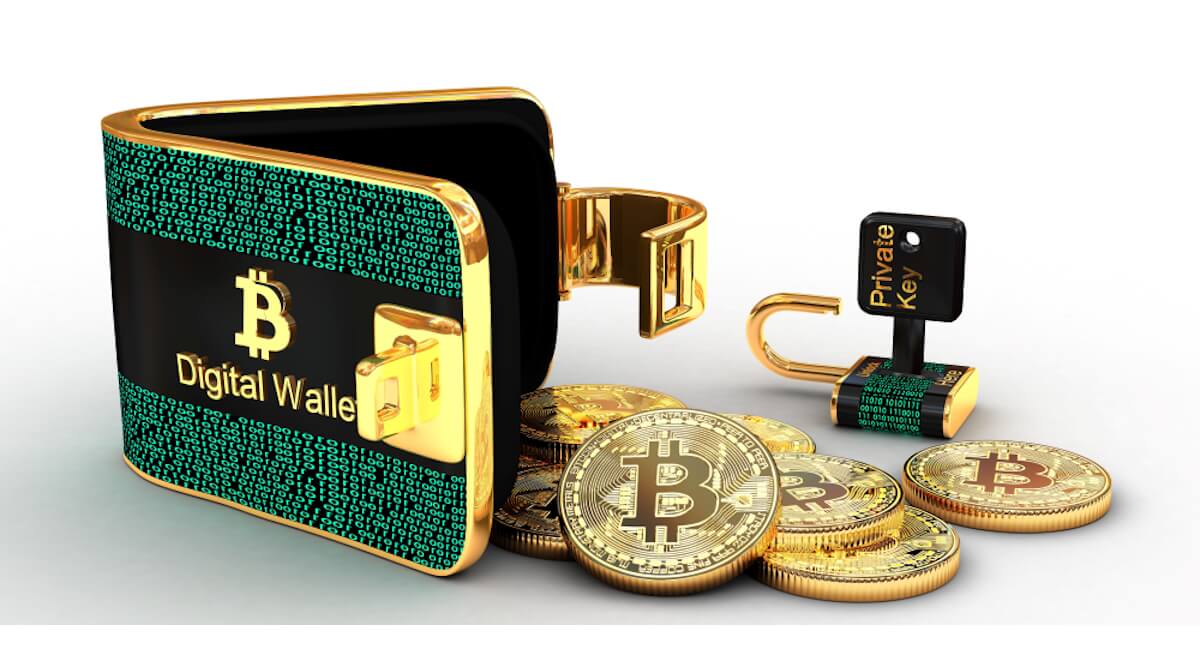
As well as buying the right assets and ensuring your portfolio is effectively balanced, you should also take care to spread your funds across multiple crypto wallets rather than keeping them all in one place.
For long-term holds, a reputable cold wallet offers the highest degree of protection (as you can store the physical device in a home safe or other location), while your active trading funds can be spread across centralized exchange wallets (for CEX trading) and decentralized hot wallets (when connecting to DEXes, DeFi platforms, Web 3.0 games, and other dApps).
Keeping your assets stored in multiple wallets means that even if a scammer or hacker gains access to one wallet and steals your funds, the funds in your other wallets will still be safe.
💡 How to Avoid This Mistake
💰 Invest in Projects Across Multiple Sectors: Focus on coins that are strong enough to drive potential gains for several months or years. If you find one particular sector more compelling than others, consider investing in multiple projects within that niche, then expand to related niches and other sectors to create diversification in areas you feel confident will perform well.
👓 Stay Objective When Assessing Potential Risk: Always look at the reality around its fundamentals and technical price outlook — and not dismiss real-world information and data based on a hunch. Even blue-chip assets go through bullish and bearish phases, so remaining objective will help you maintain a clear head and make better decisions, no matter what happens.

9. Ignoring Market Volatility
As noted above, almost all financial assets move through bullish and bearish phases with uptrends and downtrends that clearly show up on price charts. Prices do not move up and to the right in a linear fashion; instead, there will naturally be points where volatility spikes and uncertainty prevails, at least for a while.
These periods typically evolve into more prolonged uptrends and downtrends as a new bull or bear phase begins and traders attempt to position themselves effectively.
Ignoring this reality is one of the fastest ways to miss the best opportunities, fail to capture profits, and take unnecessary risks and losses that would otherwise be avoided by consistent focus and analysis. Below, we’ll outline some useful strategies to make the most of bearish and bullish market phases.
Navigating Bull and Bear Markets
From bull markets and bull runs to their bearish equivalents, consolidation stages, niche-oriented events like altseasons and meme coin frenzies, and more narrative-specific phases like “DeFi Summer,” the crypto markets are always progressing through a period of time defined by at least one overarching price trend that affects the vast majority of assets.
It’s common for each of these periods, especially fear-inducing bear markets, to be declared prematurely, as social media influencers and thought leaders seek to shift opinions in favor of those individuals’ own trading and investment positions.
Traders who frequently “flip-flop” between extremely bullish and bearish posts often do so because they’ve just opened a long or short position (perhaps with leverage), and know that they will profit if they convince enough of their followers to do the same.
The points we’ve already discussed throughout this article cover almost everything you need to know in order to navigate bull and bear markets.
Intensely volatile market phases will put your skills to the test. To generate high-profit opportunities that can eventually lead to significant financial rewards:
- Set up a long-term strategy (and a concrete set of trading rules that work for you)
- Manage emotions
- Developing your fundamental and technical analysis skills
- Only trade high-probability setups
- Diversify your portfolio
- Keep your funds secure at all times
This is certainly a lot to take in, but the payoff can be worth the time, effort, and discipline required.

Crypto Isn’t a Straight Line
As we’ve already seen, expecting crypto prices to simply go up vertically (or at least in a linear diagonal fashion) is unrealistic. As the crypto markets are not yet regulated, prices are highly vulnerable to manipulation.
Such tactics often involve controlled but extremely volatile moves that cause traders to either panic and sell their positions at a loss (allowing whales to scoop up some cheap coins before pumping the price again) or FOMO into an exploding coin that ends up collapsing as quickly as it surged, turning unwitting targets into exit liquidity.
This is why patience (and effective analysis) is key. Every price chart tells the story of traders who sold and bought at the worst possible times, giving their coins to someone else for bottom-setting prices and purchasing others at the exact moment the price peaks.
Aiming to get in at the start of a trend, and exit before it reverses, is enough to be profitable; following the crowd is often a recipe for disaster, or at least a painful lesson to learn from.
💡 How to Avoid This Mistake
🤔 Have a Plan: Remember that if you don’t have a plan, you’re simply gambling with your funds, even if you have a strong emotional attachment to your position. Experiment with advanced trading tools like stop-loss and take-profit orders, which enable an extra degree of control over your trades.
🥲 Never Trade Emotionally: Take a break and step away from your screen for a while. Some traders swear by meditation, breathwork, and other relaxation techniques to help with this, but no serious expert would recommend letting fear, greed, uncertainty, doubt, or FOMO drive your financial decisions.
10. Overlooking Fees and Hidden Costs
No matter what’s going on in the market, fees must always be factored into your trading decisions, especially when executing short-term plays that involve relatively small percentage moves.
It’s not uncommon for fees to swallow up a large portion of your gains in these situations, and slippage (the difference between your intended buy and sell price and the price your order actually executes at) can leave you with little to show for your efforts.
If your trading fees are higher than the profits you’re keeping for yourself, the exchange you’re using is making more money from your work than you are, and if you’re paying so much in fees that you don’t keep any profit at all, you’re basically paying to work for the exchange while thinking of yourself as a customer.
Understanding Gas Fees, Spreads, Charges
Exchange trading fees aside, you also need to keep an eye on other costs that can differ by the type of exchange you’re using, as well as the specific platform you’re trading on.
If you’re trading on a decentralized exchange, all of your trades will likely require an additional gas fee (blockchain network usage fee) to be paid on top of any trading fees charged by the exchange itself.
Gas fees go to the individuals who maintain the network through mining nodes (on Proof-of-Work chains) or staking validators (on Proof-of-Stake chains), not the exchange, but they can still be expensive, especially during high-traffic periods.
It’s not uncommon for gas fees on networks like Ethereum to exceed the entire value of an individual trade or other transaction, making them prohibitively expensive to use.
Some exchanges also maintain “spreads” (an artificial gap between real-time buy and sell prices) that allow them to skim off some of the value of each trade, and can also conceal high unexpected charges like withdrawal fees in the small print within their terms and conditions.
Before signing up to a new exchange, always read through this information and do your research, just like you would before investing in a new asset. Look for the cryptos with the lowest fees, as this can save you a significant amount of money and stress later on.
What Platforms Don’t Always Tell You
Fees, spreads, extra (sometimes hidden) charges, and other factors like the asset pairs available to trade can all vary from platform to platform. Some are more transparent than others, and decentralized platforms that allow you to trade and transact directly on-chain will also require you to pay gas fees, which are paid to the miners and validators who provide computational support and security across the network.
Be sure to look beyond a given platform’s advertising and marketing content, and read all of the terms and conditions before signing up. If you’re not happy with the terms offered, look elsewhere for a better deal.
💡 How to Avoid This Mistake
➗ Use Fee Calculators: Some platforms provide fee calculators as part of their trading interfaces, so it’s helpful to use one if it’s available. Also make sure that the gas fees will not exceed the value of the transaction you want to make; some platforms will warn you if this is the case, but others may not.
📖 Check Terms and Conditions: Reading the small print may not sound fun or particularly interesting, but a platform’s terms and conditions can determine how much of your profit you actually get to keep. Shop around for the best deal, and consider making only small deposits into a new platform at first, so you can get used to its interface and gain real experience of using it before depositing more funds.
💲 Use Limit Orders: On many exchanges, limit order fees are often smaller than market order fees because they add liquidity to markets by sitting in exchanges’ order books before execution, whereas market orders technically “remove” liquidity because they’re executed immediately. Limit orders are also executed automatically when the specified price level gets hit, so you don’t have to worry about watching the chart
Final Thoughts: How to Avoid Crypto Mistakes
It may feel productive to spend a lot of time trading and watching charts, and in the beginning, this can help you get more familiar with the crypto market and exchange trading interfaces. But after you’ve gained some early experience, it’s best to start trading smarter, not harder.
Throughout this article, we’ve provided a comprehensive guide to avoiding key crypto mistakes and making sure you stay on the right path throughout your trading and investment journey.
Don’t worry about becoming an instant crypto expert, you don’t need to know everything at once, so take things step by step. Stick to the basics and grow from there, applying what you’ve learned here as and when the information is needed.
As long as you only invest what you can afford to lose, and use small amounts of money when experimenting with new ideas, you’ll be able to keep your risk exposure to a minimum and gain real-world experience before handling larger positions.
FAQs About Common Crypto Mistakes
What are the most common crypto tax mistakes beginners make?
How can beginners avoid mistakes when transferring crypto between wallets?
What mistakes should beginners avoid when choosing a crypto exchange?
What is dollar-cost averaging in crypto investments?
What are the biggest beginner mistakes when using stablecoins?
How can following crypto influencers lead to common mistakes?
References
- Pump and Dump Schemes (U.S. Securities and Exchange Commission)
- Dogecoin Utility (Dogecoin)
2M+
250+
8
70







 in numbers

About Cryptonews
Our goal is to offer a comprehensive and objective perspective on the cryptocurrency market, enabling our readers to make informed decisions in this ever-changing landscape.
Our editorial team of more than 70 crypto professionals works to maintain the highest standards of journalism and ethics. We follow strict editorial guidelines to ensure the integrity and credibility of our content.
Whether you’re looking for breaking news, expert opinions, or market insights, Cryptonews has been your go-to destination for everything cryptocurrency since 2017.

 Ryan Glenn
 Ines S. Tavares