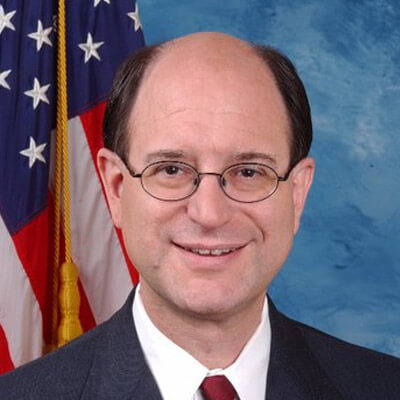

Brad Sherman is a United States congressman representing California’s 32nd congressional district and a long serving member of the Democratic Party. Within the digital asset sector, he is best known as a vocal skeptic of cryptocurrencies and an active participant in the policy debate around market structure, consumer protection, illicit finance, and enforcement. Sherman’s statements and questioning in hearings are frequently cited by both proponents and critics of the industry, reflecting his role as a prominent regulatory voice in Washington.
Overview
Sherman has served in the U.S. House of Representatives since 1997. Over the years he has held seats on committees that regularly intersect with financial regulation and national security, areas that have become increasingly relevant to crypto as lawmakers examine stablecoins, exchange oversight, sanctions compliance, and anti money laundering controls. In public remarks, Sherman has argued that cryptocurrency markets can concentrate power, enable wrongdoing, and undermine government policy tools.
- Role: U.S. Representative, California’s 32nd congressional district
- Known for in crypto: Consistent criticism of cryptocurrencies and calls for stricter regulation
- Policy focus areas: Consumer protection, market integrity, illicit finance, sanctions and national security
History and Background
Sherman was born in 1954 and built a career that combined law, public administration, and political office before entering Congress. He earned an undergraduate degree from the University of California, Los Angeles, and later a law degree from Harvard Law School. Prior to his election to the House, he worked in government roles that included service related to California’s tax administration, experiences that inform his emphasis on oversight, compliance, and enforcement.
In Congress, Sherman has developed a reputation for detailed questioning and a preference for rules based policy frameworks. That style has carried into digital asset discussions, where he often frames crypto as an area requiring tighter guardrails and stronger accountability for intermediaries.
Crypto Policy and Public Positions
In contrast to lawmakers who argue that the U.S. should prioritize innovation competitiveness, Sherman has repeatedly expressed skepticism about the core utility of major cryptocurrencies. He has described cryptocurrency as an area with meaningful political influence, suggesting that industry funding and lobbying can shape the legislative environment. CryptoSlate reporting has documented his remarks about the difficulty of pursuing aggressive restrictions in the face of industry power and spending.
CryptoSlate has also reported on Sherman’s calls for a comprehensive ban on cryptocurrency and his argument that digital assets can be used in ways that harm consumers and undermine public policy. While proposals to outlaw crypto entirely have not gained broad traction, Sherman’s stance illustrates the degree of disagreement within Congress over whether the correct approach is accommodation through regulation or limitation through enforcement and prohibition.
Engagement With Industry Events and Enforcement Narratives
Sherman has linked industry controversies to the need for stronger rules, and he has been outspoken about high profile failures in the sector. In commentary reported by CryptoSlate, he argued that the now bankrupt exchange FTX and its political activity affected the legislative environment, reinforcing his broader contention that crypto lobbying can distort policymaking. His framing is often aligned with an enforcement first approach, emphasizing the need to prevent misleading marketing, reduce retail investor harm, and tighten compliance expectations for platforms that custody or facilitate transactions.
Why Sherman Matters to Crypto Markets
Even when he is not sponsoring the most prominent crypto bills, Sherman’s influence is felt through the oversight process. Committee hearings, letters, and public statements can shape the tone of regulatory conversations and inform how agencies prioritize supervision and enforcement. For companies operating in the U.S. market, his positions are a reminder that bipartisan agreement on crypto is not guaranteed, and that investor protection and illicit finance concerns can outweigh innovation narratives in some policy circles.
Risks and Considerations
For market participants, Sherman’s record highlights several recurring policy risks. First, legislators may pursue stricter compliance obligations for exchanges, brokers, and stablecoin issuers. Second, enforcement pressure may increase following major industry failures or criminal cases. Third, the political perception of crypto lobbying can become a flashpoint, especially during election cycles and high profile investigations. These dynamics can affect timelines for legislation, the scope of permissible products, and the cost of operating in regulated jurisdictions.
