

How to Trade Crypto Options in 2026: Step-by-Step
We believe in full transparency with our readers. Some of our content includes affiliate links, and we may earn a commission through these partnerships. However, this potential compensation never influences our analysis, opinions, or reviews. Our editorial content is created independently of our marketing partnerships, and our ratings are based solely on our established evaluation criteria. Read More





Crypto options offer one of the most efficient ways to trade the crypto market, but their complexity can make options intimidating to newer traders. Some platforms provide a simplified interface, but sometimes at the expense of critical data that can help guide your trade. In this guide, we’ll explain what crypto options are and how they work. We’ll also learn how to trade crypto options and discuss the pros and cons of crypto options versus other trading tools.
Our crypto options tutorial will help you understand the basics to get started, including the types of options available and how settlement works when the trade is complete. Let’s start by defining options and learning how they differ from other trades.
- In This Article
- In This Article
- Show Full Guide
What Are Crypto Options?
As their name suggests, crypto options are the right to buy or sell a crypto asset at a specified price. Most options platforms use an expiration date, at which time the platform automatically exercises the option for profitable trades on your behalf. In effect, an option is a bet on whether the price will rise or fall by a certain date, and by how much.
Several crypto trading platforms offer options, although availability is often limited to BTC, ETH, and a few other popular assets, possibly including SOL or XRP. Trading interfaces range from complex offerings and data grids to simpler Up/Down type interfaces. Whether simple or complex, most crypto options work similarly under the hood.
How Does Crypto Options Trading Work?
An option is the right to buy or sell an asset at a specific price, called a strike price, but not an obligation to do so. For this right, options traders pay a premium for the option. This premium represents the investment in the trade and is not recoverable. If the options trade is not profitable, the trader sacrifices the premium paid for the right to make the trade. However, if the trade is profitable, the profit is the difference between the current price of the crypto and the strike price of your option, minus the premium you paid.
Options can be extremely profitable if your trade is profitable, but they also come with the downside risk of losing the premium. These premiums vary based on several factors, including whether the option is in the money (profitable if exercised now).
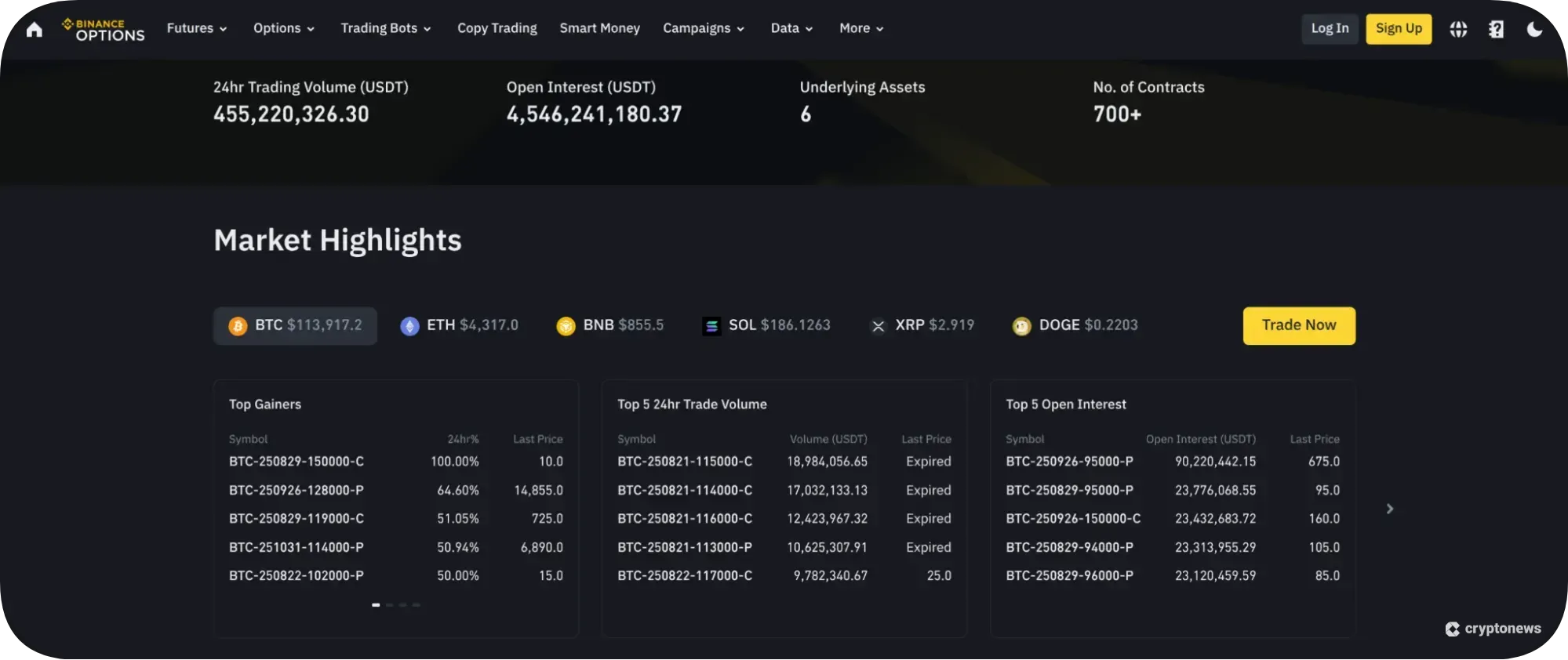
For example, let’s say you think the price of Bitcoin will go up. In this case, you could buy a call option, which is an option to buy. If you purchase an option to buy BTC at $100,000 and Bitcoin rises to $105,000 at the option’s expiration date, the option is worth $5,000. If the option’s premium was $100, this reduces the profit for the trade to $4,900. However, if Bitcoin is still below the strike price at the expiration date, you’ve lost the cost of the option premium – but nothing more.
European vs American Options
The terms European options and American options refer to the execution rules for the options rather than a geographic reference.
- European options cannot be exercised before the expiration date, although you can sell the option before the expiration date. For example, to revisit the last trade, if Bitcoin reached $110,000 before the expiration date, you can’t exercise the option and pocket an extra $5,000 on the trade. Instead, you have to wait until the expiration date and exercise the option at that time, assuming it’s still profitable. Alternatively, you can sell the option before the expiration date.
- American options refer to options that allow traders to exercise the option early. In some cases, this structure can be advantageous. However, most crypto options trading platforms use European options.
In most cases, the exchange automatically exercises the option for you on its expiration date, assuming the options trade is profitable.
Call Options vs Put Options
One of the key concepts to understand when learning how to trade crypto options is the difference between call and put options. It’s easier than you might think.
- Call options are options to buy the asset at a specific price.
- Put options are the option to sell the asset at a specific price.
Use a call option if you think the asset price will exceed the strike price at the expiration date. Conversely, a put option should be used when you expect the asset’s spot price to be lower than the strike price at expiration.
ITM vs ATM vs OTM
Options use a strike price. In effect, this is a target price, but the asset must move in a profitable direction at the expiration date for the option to be exercised (above the strike price for call options and below the strike price for put options).
So, the value of the option hinges on its strike price relative to the market price for the asset. An option to buy Bitcoin at $100,000 when Bitcoin is trading at $103,000 would be In-the-Money (ITM). Let’s look at the three basic ways options can be valued.
- ITM: In-the-Money options refer to options that would be profitable if exercised immediately. For example, if you have a BTC call option with a $100,000 strike price and Bitcoin is trading at $103,000, the option is in the money.
- ATM: At-the-Money options refer to options with a strike price equal to the market price. The market price could move either way before expiration, and this option has a lower probability of profitability than the ITM example. However, ATM options are often cheaper to purchase compared to ITM options.
- OTM: Out-of-the-Money options have no immediate value but may have value if the asset price moves in a favorable direction for the trade. For example, a BTC put option with a $100,000 strike price has no current value if the market price is $103,000.
Whether an option is ITM, ATM, or OTM affects its value, with the value of the option being highest for ITM options. However, traders might use OTM options if they expect a wide price swing that could make the OTM option profitable. This strategy also brings a higher risk of the option expiring worthless.
Crypto Options Tutorial: How to Open an Options Trade Step-by-Step
We’ll use CoinFutures as an example to walk through an options trade. Importantly, CoinFutures uses a simplified platform to bet on crypto prices, mixing elements of options trades and futures trades. The platform does not require identity verification and uses anonymous crypto deposits to fund your trades. Let’s get started by opening an account.
1) Create a CoinFutures account.
Visit CoinFutures to create an account.
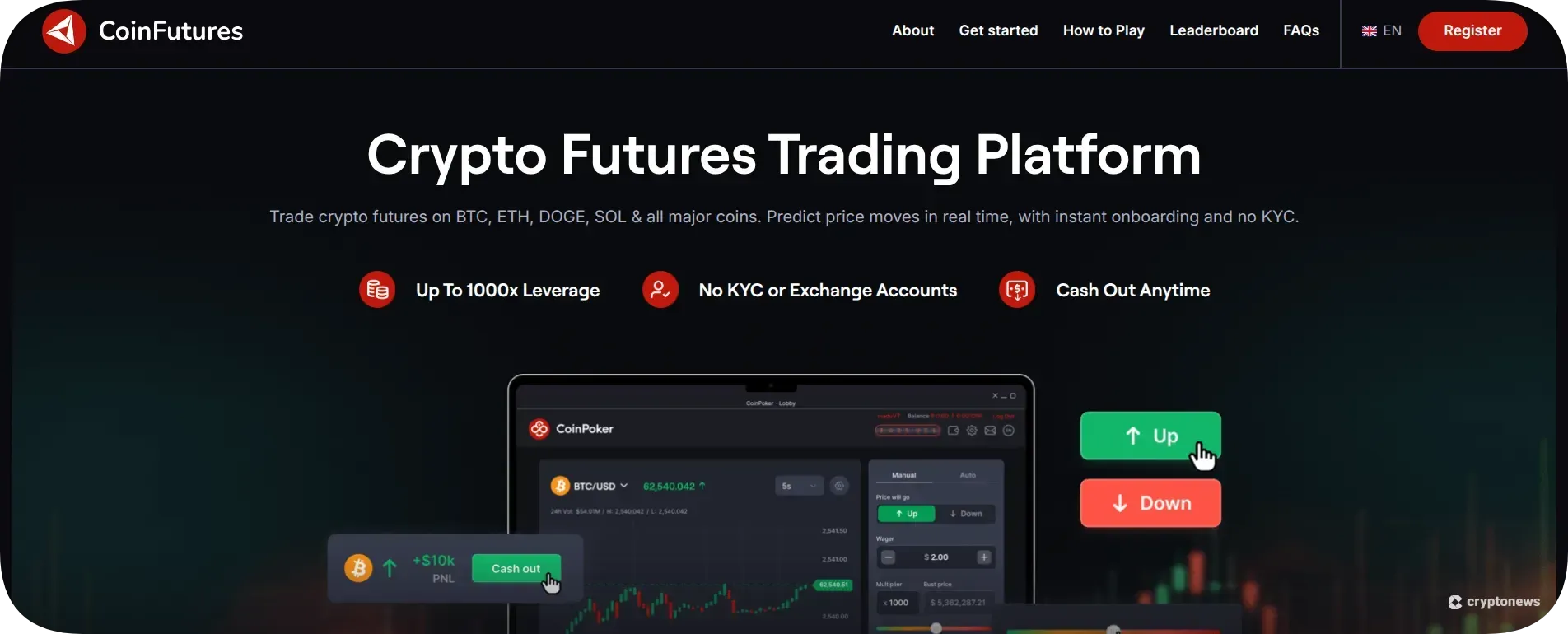
You can create an account using an email address and a secure password. CoinFutures will use this email address to verify your account. Alternatively, the platform also supports crypto wallet logins, i.e., MetaMask, after you’ve installed the app.
Next, download the app for your operating system. CoinFutures supports Windows, macOS, and Android.
2) Fund Your Account.
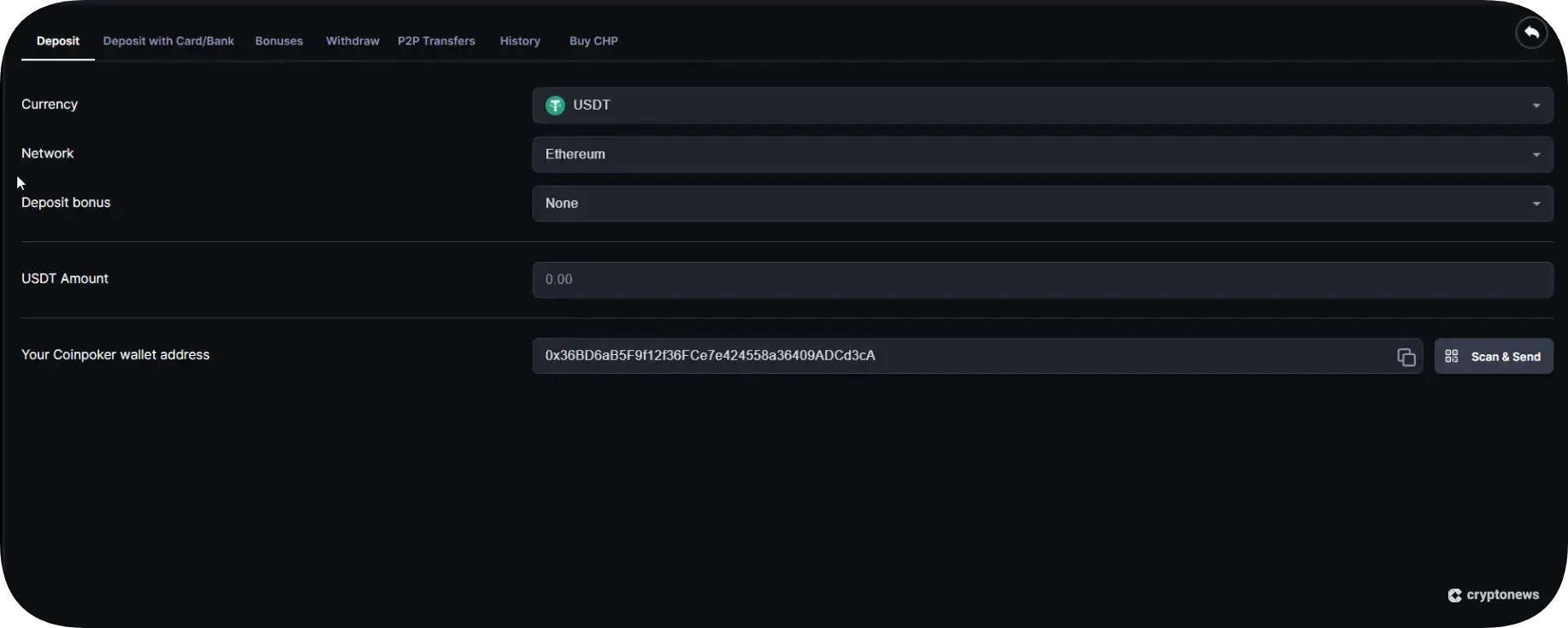
After you’ve installed the app, use the wallet icon to access your crypto wallet within the app. CoinFutures supports deposits on several leading blockchains, including Bitcoin, Ethereum, Solana, BNB Smart Chain, and Tron. Send your preferred cryptocurrency to the app wallet. There’s no minimum deposit, and the minimum trade is just $1.
3) Choose Your Crypto Trade.
Navigate to Crypto Futures on the main menu, then select your trading pair. We’ll use BTC/USDT in this example.
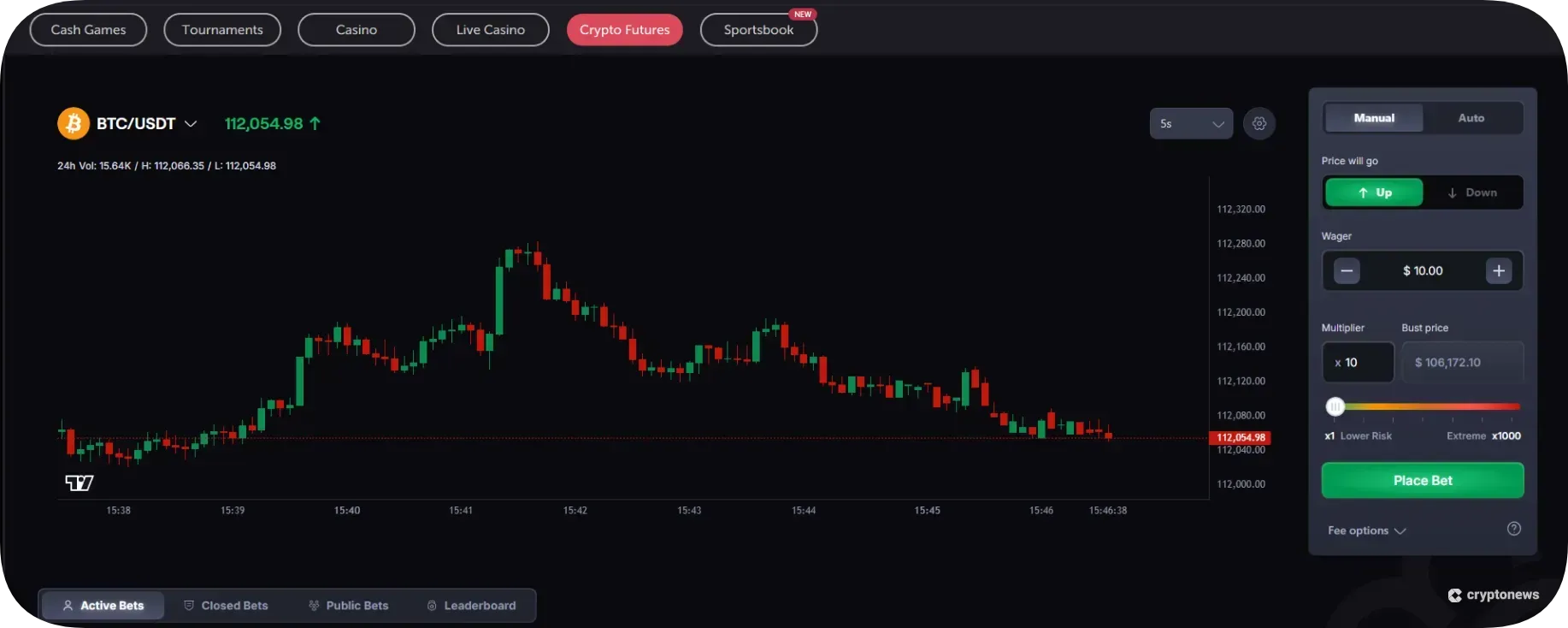
Next, choose a price direction (Up or Down) and select a wager amount. We’ll use $10 in this example.
CoinFutures combines elements of options trading with futures trading, which means you’ll have leverage available. The platform uses a multiplier (up to 1000x) to maximize your gains on successful trades. However, this can also cause your trade to “go bust,” meaning you might lose your investment in the trade if the market moves against your position.
We’ll use the default 10x multiplier in this example for safety.
4) Set Your Auto Exit.
Click on Auto to set up an automatic exit for your trade. You can choose a level to take a profit or cut your losses. Note: CoinFutures charges a 0.05% fee for every hour the trade remains open, so you want to pick a target price that’s within reach.
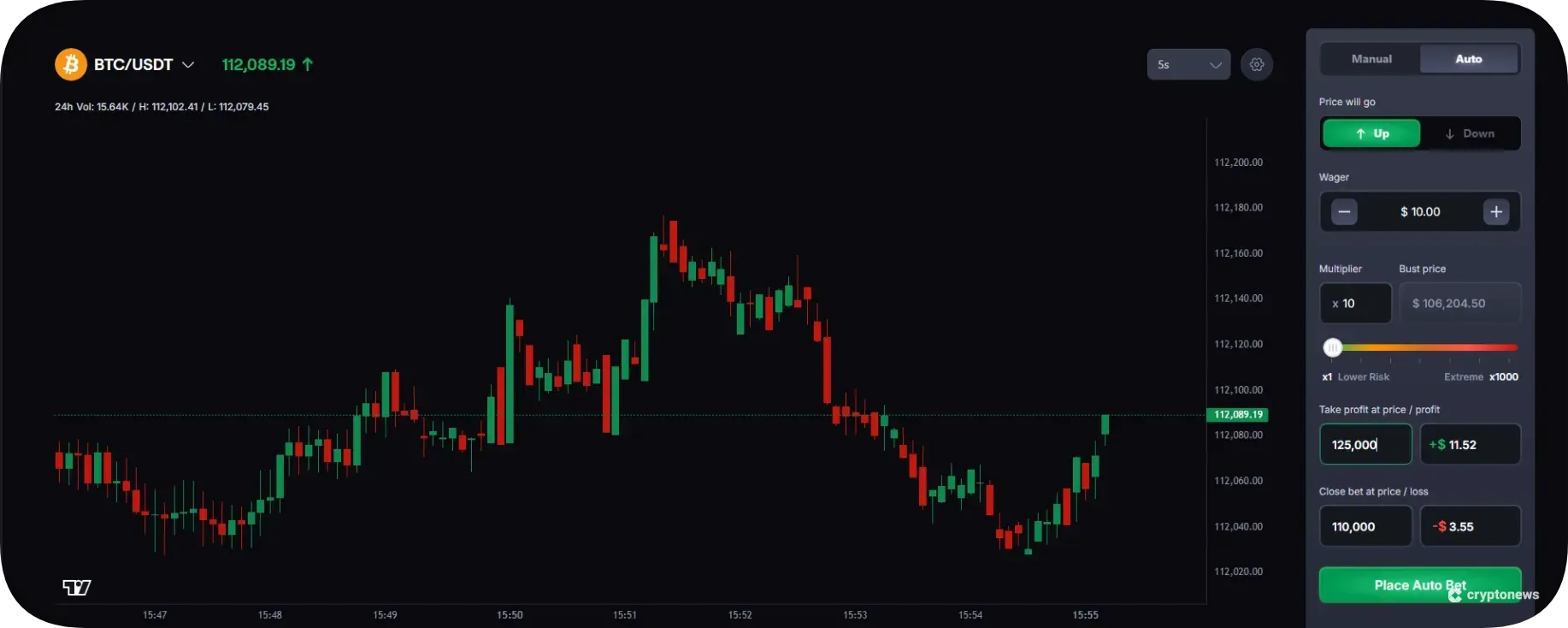
If you set an Auto Bet, you can relax. The platform will exit your position automatically according to your settings. If you choose to close your position manually, keep an eye on your position in the Active Best tab.
CoinFutures gamifies your crypto price bets. In the next section, we’ll discuss platforms that offer more structured options trading.
Where Can You Trade Crypto Options?
We learned how to trade options using a simplified platform in an earlier example. However, you can choose from a number of crypto options trading platforms, ranging from simple to complex, as well as regulated options on the Chicago Mercantile Exchange.
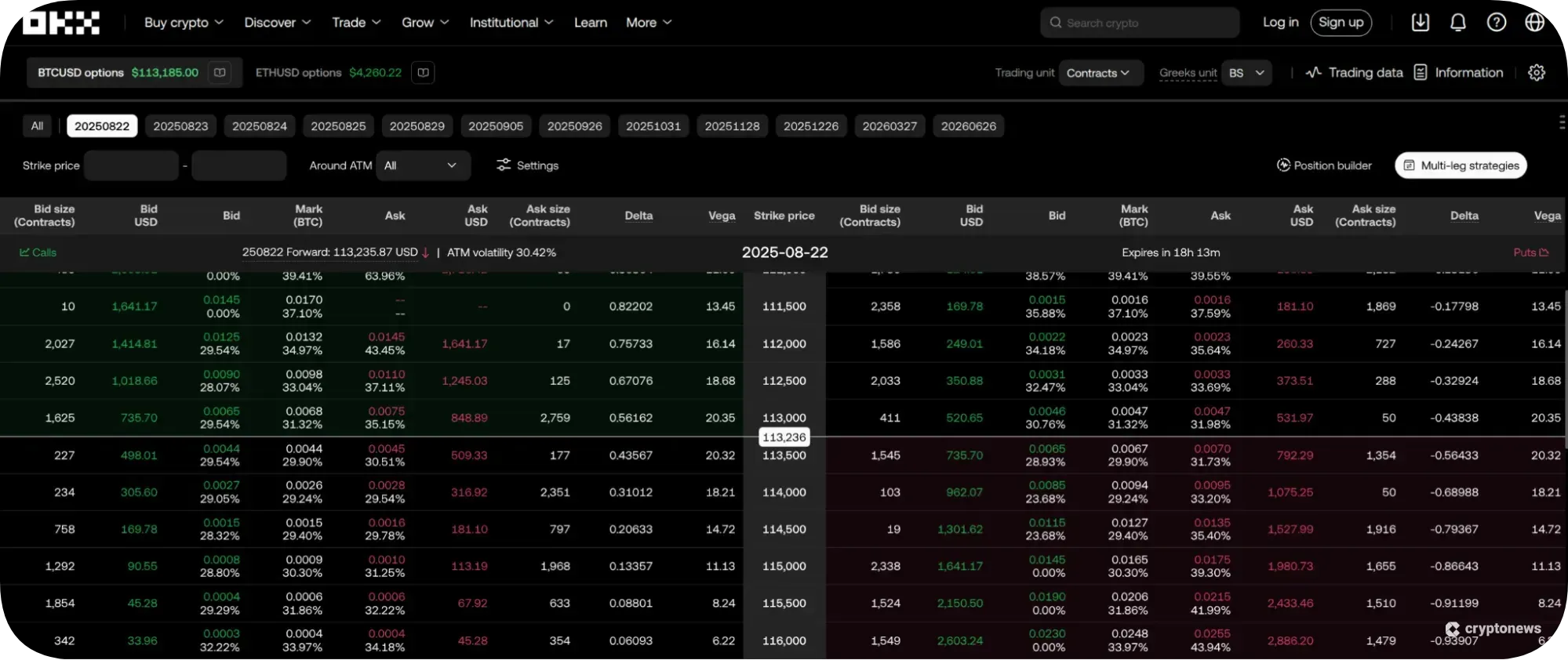
OKX enjoys the strongest reputation amongst advanced traders who need powerful tools, including “Greeks” data (delta, gamma, vega, etc.) to help guide trading decisions. OKX also offers the highest liquidity for crypto options amongst the leading centralized platforms. However, its focus on power tools for advanced traders may make other platforms a better choice for less experienced traders. Let’s explore some of the top platforms in more detail.
Crypto Exchanges
Crypto exchanges and specialty trading platforms are often the first destination for aspiring options traders. Notably, fewer exchanges support options trading than futures and spot trades.
- CoinFutures: The CoinFutures trading platform uses a simulated trading environment that combines elements of options trading with futures trades. Known for its simple interface, CoinFutures makes betting on the short-term direction of crypto assets as simple as choosing a direction and price target. Optional leverage (up to 1000x) lets traders bet on price moves for a wider range of crypto assets than found on other platforms. CoinFutures uses crypto funding and does not require KYC.
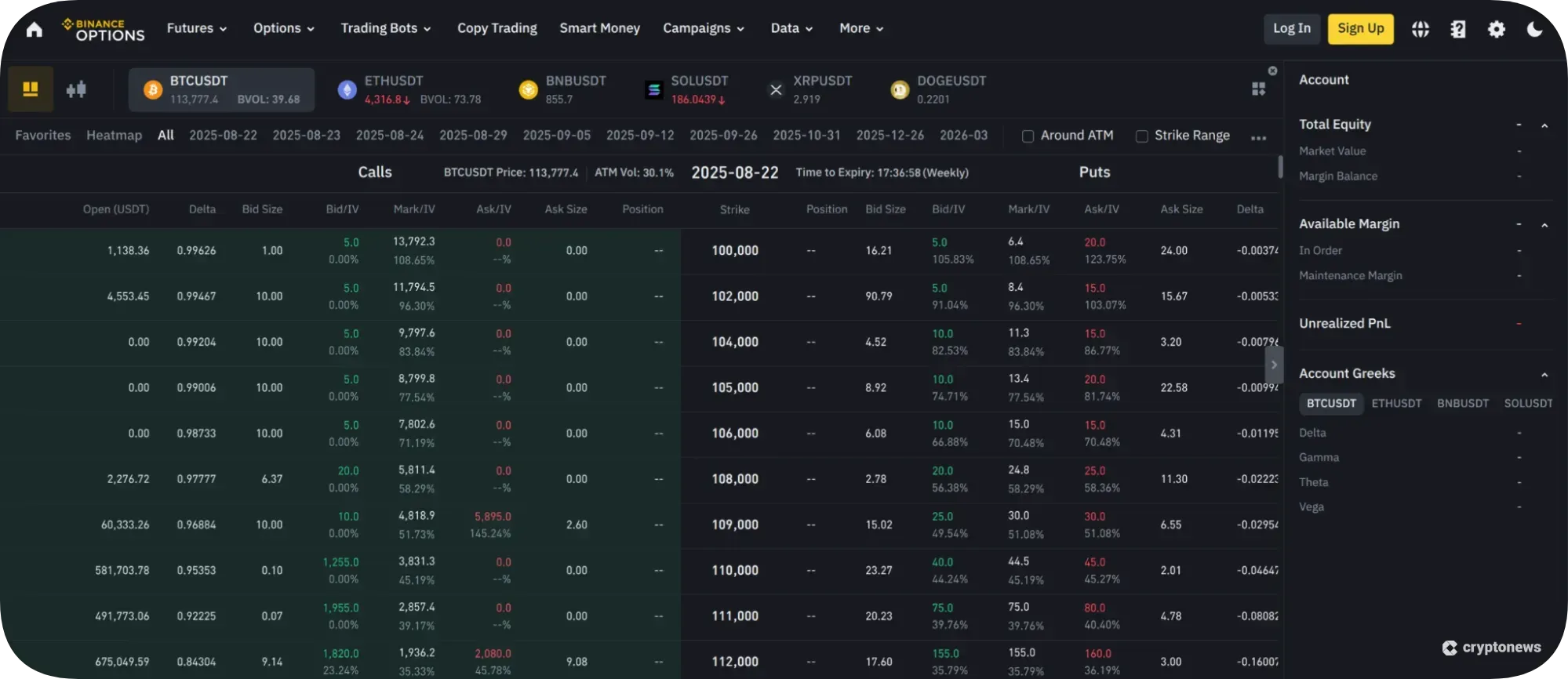
- Binance: The Binance exchange is the largest exchange based on overall trading volume and offers a full range of trading tools, including options trading for BTC, ETH, and XRP. Binance uses its deep liquidity in options markets to power a simpler trading tool called Easy Options, which lets traders build an options trade in seconds.
- OKX: The OKX exchange focuses its options trading liquidity on BTC and ETH while offering a powerful suite of options trading tools. The platform caters to advanced and institutional traders who need access to market insights, including real-time order book transparency and an options analytics dashboard.
- Bybit: Long known for its classic options for BTC and ETH traders, Bybit added SOL options in 2024 and introduced an Easy Options product in 2023. Like Binance’s offering, Easy Options on Bybit leverage the deep liquidity on the exchange to help traders find the right options for their trading goals.
Generally, Binance and Bybit offer the lowest fees in this group, whereas OKX caters to advanced traders, and CoinFutures makes trading accessible with its easy-to-use interface.
CME-Listed Crypto Options
While many options trading platforms are not regulated in major markets like the US, there are some ways to trade options on regulated exchanges, including the Chicago Mercantile Exchange (CME). Although the CME caters to institutional users and professional traders, well-qualified individual investors can access crypto options trading through a Futures Commission Merchant (FCM), including platforms like Interactive Brokers and E*TRADE.
The CME also offers crypto futures trading using expiry contracts, which the exchange uses to back its options trading. In effect, crypto options trades on the CME are bets on crypto futures contracts. The Commodities Futures Trading Commission (CFTC) regulates trading of digital commodities in the US, including options trading on the CME.
Factors to Consider When Opening a Crypto Options Account
Next in our crypto options tutorial, let’s discuss factors you should weigh when choosing a trading platform that’s right for you. The answer won’t be the same for all traders. Instead, trading goals, tradable assets, security, available data, or ease of use might drive your decision.
Security
The security of the platform itself becomes an increasingly important factor relative to the amount of money you hold on the platform. Here’s the bad news: most of the platforms discussed earlier have suffered a breach or hack in the past. Bybit’s 2025 breach involved the theft of $1.5 billion in Ethereum, making it the largest crypto hack to date. The good news is that all of these platforms are increasing security over time, with the majority of assets held in cold storage.
No platform is 100% safe. Consider keeping limited assets on exchanges while protecting the rest of your crypto with a non-custodial crypto wallet.
Available Coins
Generally, you’ll find a much slimmer selection of cryptocurrencies available for options trading compared to spot and futures markets. In some cases, you may be limited to just BTC and ETH. CoinFutures offers nearly a dozen choices.
Available Strike Prices / Expiration Dates
A wider selection of strike prices and expiration dates allows you to fine-tune your trade and capitalize on short or medium-term price movements. Platforms like Binance let you choose from a wide range of expiration dates.
Interface / Ease of Use
Navigating an options trading platform can seem like flying a jumbo jet. Classic options on platforms like OKX, Bybit, and Binance offer a myriad of options to sort available options trades and build your position. Bybit and Binance both offer a simplified platform as well. However, CoinFutures offers the easiest platform for newer traders, starting the trade with a simple Up/Down price direction.
Regulatory Status
Many crypto trading platforms operate within a regulatory gray area, often with confusing information regarding their headquarters and the jurisdictions in which they can legally operate. Only a handful of crypto options platforms are regulated in the US, including the CME, Bakkt, LedgerX, and Nadex.
Trading Fees
If you trade in volume, trading fees can become a consideration as well. In many cases, Binance and Bybit offer lower trading fees for crypto options compared to alternatives.
Benefits of Trading Options in Crypto
Options trading comes with a learning curve, but it also offers several distinct advantages over traditional spot trading. Let’s explore some of the benefits and how they can be used to enhance your trading profits.
Clearly Defined Risk
The premium you pay for crypto options represents the maximum potential loss in the trade. If you purchase a $100 BTC call option for 5% above the current market price and the price goes down by 10%, the 10% loss doesn’t affect you. All you lose is the premium. The trader who offered the option has price risk, but you only risk the premium for the option.
Inherent Leverage
Crypto options don’t use leverage in the traditional sense of borrowing or using collateral to back a trade. However, by design, they do utilize leverage in their structure. For the cost of the premium, you control a much larger position than you could buy on the spot market with the same amount of funds.
This trading efficiency, combined with the clearly defined risk, makes options a popular way to market volatility or hedge existing positions against volatility.
Flexible Use Cases
Options fit for several use cases, providing a powerful trading tool for both new and experienced traders.
- Speculation: In most cases, options are a simple (or not so simple) bet on the price direction. Whether you think the market will go up or down, crypto options offer a way to profit from your crypto market prognostications.
- Hedging: Crypto options provide a way to protect the profit in other positions from short-term volatility. For example, if you hold BTC in a long position but expect a price dip, you can use options to capitalize on the dip while maintaining the long position. This strategy may offset any paper losses.
- Income: Advanced traders can write options against their holdings, pocketing the premium when the option sells.
Crypto options come with some drawbacks as well, with the largest stumbling blocks centering on trading complexity. Let’s take a look at some of the considerations to weigh before opening your first options trade.
Trading Complexity
Options can be difficult to grasp as a beginner. However, some popular platforms, including Binance and Bybit, now offer a simpler interface that utilizes the deep trading liquidity available on each platform.
Time Decay
Options that are close to expiration fall in value because there is less time for them to move into profit. This characteristic of options, called Theta, affects ITM, ATM, and OTM options.
Lower Liquidity
Futures trading offers much better liquidity (trading efficiency) compared to options. Spot markets also see higher trading volume. Lower liquidity with options may mean higher premiums when buying or lower premiums when selling due to a wider bid-ask spread.
Fewer Trading Pairs
Expect a small selection of trading pairs, often just BTC and ETH. This limits the usefulness of options as a hedge for other assets. Futures may make a better choice.
High Premium Cost
Win or lose, you lose the premium cost, which can be substantial in some cases, particularly for options with distant expiration dates.
Conclusion
Learning how to trade crypto options gets you past the most significant stumbling block many newer traders face. However, you also need to choose a platform that matches your goals. Full-featured platforms like OKX, Binance, and Bybit provide more tools, but can also be more complicated to use. CME options face similar challenges, with access restricted to authorized futures commission merchants.
CoinFutures offers an easier alternative to larger exchanges, mixing ease-of-use with leverage to amplify gains on successful trades. Low trading requirements as low as $1 make the CoinFutures platform more accessible than traditional options platforms, which can range from a few dollars to tens of thousands of dollars, depending on the trade.
FAQs
Is trading crypto options profitable?
Is it legal to trade crypto options in the US?
Do crypto options expire?
Is there an options chain in crypto?
What is the minimum deposit for crypto options?
References
- Bybit Expands Trading Horizons with Solana Options (prnewswire.com)
- Futures Commission Merchants (FCMs) (cftc.gov)
- CRYPTOCURRENCY OPTIONS ON FUTURES (cmegroup.com)
- Digital Assets (cftc.gov)
- The ByBit Heist and the Future of U.S. Crypto Regulation (csis.org)
2M+
250+
8
70







 in numbers

About Cryptonews
Our goal is to offer a comprehensive and objective perspective on the cryptocurrency market, enabling our readers to make informed decisions in this ever-changing landscape.
Our editorial team of more than 70 crypto professionals works to maintain the highest standards of journalism and ethics. We follow strict editorial guidelines to ensure the integrity and credibility of our content.
Whether you’re looking for breaking news, expert opinions, or market insights, Cryptonews has been your go-to destination for everything cryptocurrency since 2017.
