

GhostSwap vs Binance 2026: Privacy Comparison
We believe in full transparency with our readers. Some of our content includes affiliate links, and we may earn a commission through these partnerships. However, this potential compensation never influences our analysis, opinions, or reviews. Our editorial content is created independently of our marketing partnerships, and our ratings are based solely on our established evaluation criteria. Read More


Crypto traders face a tough choice between convenience and privacy. Binance offers massive liquidity and excellent trading tools, but demands extensive personal information.
GhostSwap, on the other hand, provides complete anonymity but fewer features. This GhostSwap vs Binance comparison reveals exactly what each platform knows about you and which one truly protects your privacy. The differences are more shocking than most traders realize.
What Data Does Binance Collect?
Binance requires government-issued ID verification from all users. You must upload a valid passport photo, driver’s license, or national ID card before making any trades. The platform also uses facial recognition technology to match your live selfie with your ID photo.
Address verification adds another layer of data collection. Users submit utility bills, bank statements, or official documents showing their home address. Binance stores these documents in its databases indefinitely.
Furthermore, the exchange tracks every transaction you make. Your history of trades, deposit sources, withdrawal destinations, and wallet addresses are kept on record. Binance monitors transaction patterns and flags suspicious activity for further investigation.
Higher verification levels ask for even more information. Greater withdrawal limits ask for evidence of income, job information, and proof of funds. Some users will be required to explain the origin of their cryptocurrency and how they acquired it.
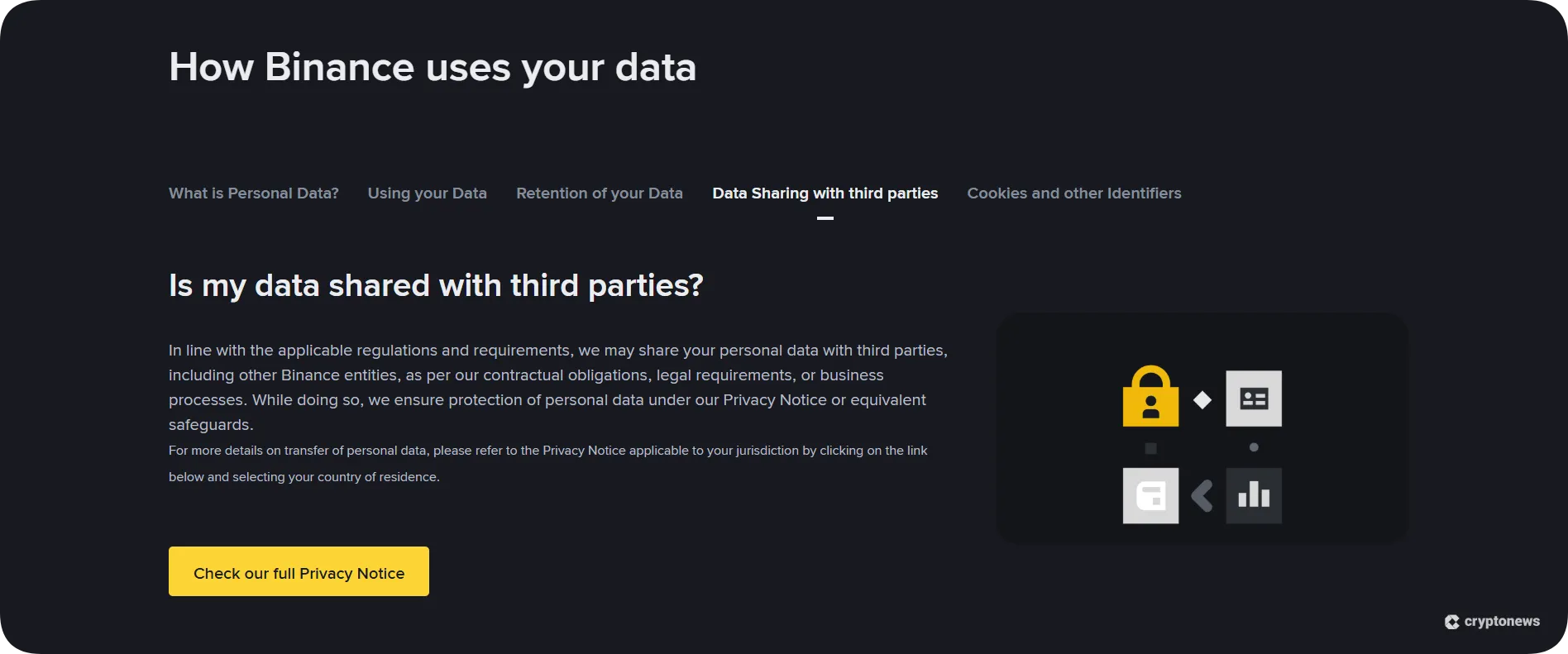
Binance supplies this information to third-party service providers, bank partners, and payment processors. Your information spreads across multiple companies and databases. The platform’s privacy policy allows data sharing for business operations and legal compliance.
GhostSwap’s Zero-Data Collection Privacy Model
GhostSwap collects zero personal information from users. No registration forms, email addresses, phone numbers, or identity verification are required on the platform. Users access full trading functionality immediately without providing any data.
The platform never stores transaction history or user profiles. Each swap operates independently with no connection to previous trades. GhostSwap cannot link multiple transactions to the same person.
Smart contracts handle all transactions automatically. No human administrators view user data or approve trades. The decentralized system processes swaps without creating user records.
GhostSwap never asks for wallet ownership proof. Users can swap cryptocurrencies from any wallet without explaining their source. The platform treats all transactions equally, regardless of amounts or frequency.

This zero-knowledge architecture means GhostSwap literally cannot share user data with anyone. The platform possesses no information to share with government or police officials, hackers, or anyone. Nonexistent information can neither be stolen nor leaked.
Just keep in mind that fiat purchases on GhostSwap are handled through licensed third-party on-ramp providers, which may require KYC verification in line with local regulations.
Government Access and Data Sharing Risks
Binance collaborates with government agencies worldwide. The exchange must adhere to local laws within each territory where it operates. This is also with regard to respecting cross-territorial requests for user information.
Tax offices also regularly request user trading records from Binance. Tax authorities examine the history of transactions to conduct audits and verify compliance. The exchange has also provided user information to governments in Asia, Europe, and America.
Court orders can force Binance to freeze accounts or seize funds. Users have reported locked accounts during investigations, sometimes for months. Your cryptocurrency remains inaccessible until authorities complete their reviews.
Regulatory pressure continues to increase on centralized exchanges. New laws require more detailed reporting of user activities and suspicious transactions. Binance must adapt its data collection to meet changing government demands.
GhostSwap faces none of these pressures. The platform holds no user data to share with authorities. Government requests receive no response because no information exists to provide.
Decentralized architecture protects GhostSwap from regulatory seizures. No company headquarters stores user funds or data. Authorities cannot shut down a platform that operates through smart contracts across multiple blockchains.
GhostSwap vs Binance Privacy Comparison: Real Trading Scenarios
- Scenario 1: You swap $5,000 of Bitcoin for Ethereum. Binance records your wallet addresses, transaction amount, exchange rate, and exact timestamp. This information links to your verified identity and stays in their database forever. Tax authorities can request this data at any time.
The same trade on GhostSwap leaves no permanent record. You send Bitcoin to a deposit address, receive Ethereum at your specified wallet, and the transaction completes. No connection exists between your identity and the swap.
- Scenario 2: You make ten small trades over three months. Binance builds a complete profile of your trading patterns, preferred cryptocurrencies, and investment strategy. This data reveals your financial behavior and decision-making patterns.
GhostSwap treats each of your ten trades as separate, unrelated events. The platform cannot connect them to build any type of user profile. Your trading patterns remain completely invisible.
Privacy Pros and Cons: Binance vs GhostSwap
Now, let’s closely review the strengths and weaknesses of both exchanges:
Pros
Cons
GhostSwap, on the other hand, follows a completely different model that comes with its own set of advantages and drawbacks:
Pros
Cons
Which Exchange Should You Choose?
Choose GhostSwap if privacy matters more than convenience. The platform suits traders wanting complete anonymity and data protection. Users who value financial privacy above all else find GhostSwap’s zero-data model ideal.

Evaluate your trading needs realistically. Professional traders who need advanced orders and margin trading must use platforms like Binance. Casual swappers only making simple trades get everything they need from GhostSwap.
Your location affects this decision, too. Some countries heavily regulate cryptocurrency exchanges and monitor user activities. Traders in surveillance-heavy regions benefit more from GhostSwap’s anonymity.
Many crypto users split their activities between both platforms. They use Binance for complex trading strategies and GhostSwap for private transactions. This hybrid approach balances convenience and privacy based on each trade’s specific needs.
Join GhostSwap
2M+
250+
8
70





 in numbers

About Cryptonews
Our goal is to offer a comprehensive and objective perspective on the cryptocurrency market, enabling our readers to make informed decisions in this ever-changing landscape.
Our editorial team of more than 70 crypto professionals works to maintain the highest standards of journalism and ethics. We follow strict editorial guidelines to ensure the integrity and credibility of our content.
Whether you’re looking for breaking news, expert opinions, or market insights, Cryptonews has been your go-to destination for everything cryptocurrency since 2017.
