

OpenSea NFT Marketplace Review 2026: Is It Still Worth Using?





When reviewing NFT marketplaces in 2026, key factors include the platform’s selection size, ease of use, transaction fees, security, and authenticity issues. OpenSea, the original dominant marketplace, offers millions of NFTs across multiple blockchains but faces intense competition from rivals like Blur and Magic Eden, challenging its position.
OpenSea’s main advantages are its huge NFT selection and user-friendly interface, making it ideal for beginners and casual collectors (“the Amazon of NFTs”). However, significant drawbacks include a 2.5% sales fee, an influx of fake or plagiarized NFTs, and rivals offering zero fees, putting pressure on its appeal.
What Is OpenSea? A Quick Overview
OpenSea is an online marketplace for buying, selling, and minting NFTs (non-fungible tokens). Launched in late 2017 by Devin Finzer and Alex Atallah, it was the first major NFT platform and quickly grew into the world’s largest NFT marketplace. OpenSea is based in New York and, at one point, was valued at over $13 billion during the 2021 NFT boom. Think of OpenSea as eBay for NFTs – it connects NFT creators with buyers and collectors worldwide.
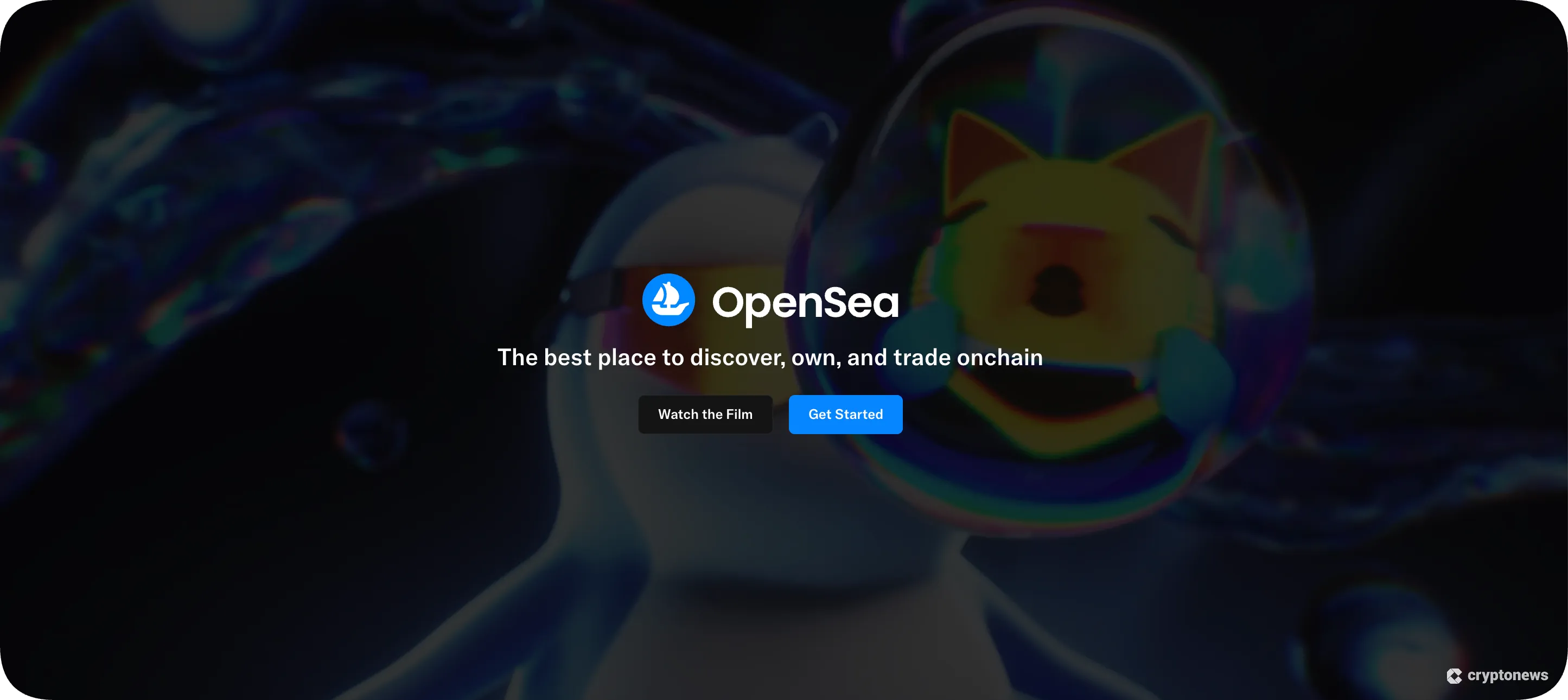
OpenSea at a Glance:
- Launch: December 2017 by Devin Finzer & Alex Atallah (headquartered in New York).
- Scale: Largest NFT marketplace with over 80 million NFTs listed for trading and millions of users (about 70% of all NFT wallets used OpenSea in early 2025).
- Supported Blockchains: Ethereum, Polygon, Solana, Arbitrum, Optimism, Avalanche, BNB Chain, Klaytn, and more – over 19 networks in total.
- NFT Categories: Digital art, collectables, profile pictures, domain names (like ENS), virtual land & game items, music, photography, and more.
- Payments: Cryptocurrencies (ETH, WETH, USDC, DAI, SOL, etc.). No direct fiat payments, though buying crypto via credit card (MoonPay integration) is possible.
Key OpenSea Features & Tools Explained
OpenSea packs a lot of features to make NFT trading easier for creators and collectors. Below is a breakdown of OpenSea’s key features and tools, and what each one does:
| Feature | What It Does |
|---|---|
| Lazy Minting | Gas-free minting lets creators list NFTs without upfront fees; buyers pay gas upon purchase. |
| OpenSea Pro | Professional trading aggregator pulling listings from over 170 marketplaces, offering zero fees and advanced tools for traders. |
| Multi-Chain Support | Supports Ethereum, L2s, and Solana; one-stop multi-ecosystem access unmatched by competitors. |
| Mobile App | Mobile apps enable browsing, wallet connection, and purchases on the go with full website features. |
| OpenSea Studio (Drops) | No-code creator hub enables smart contracts, presales, card payments, and storytelling, replacing lazy minting. |
| Stats & Rankings | The platform offers market insights via collection rankings and volume charts, plus enhanced analytics for professionals. |
How Do Opensea’s Features Compare to Its Competitors?
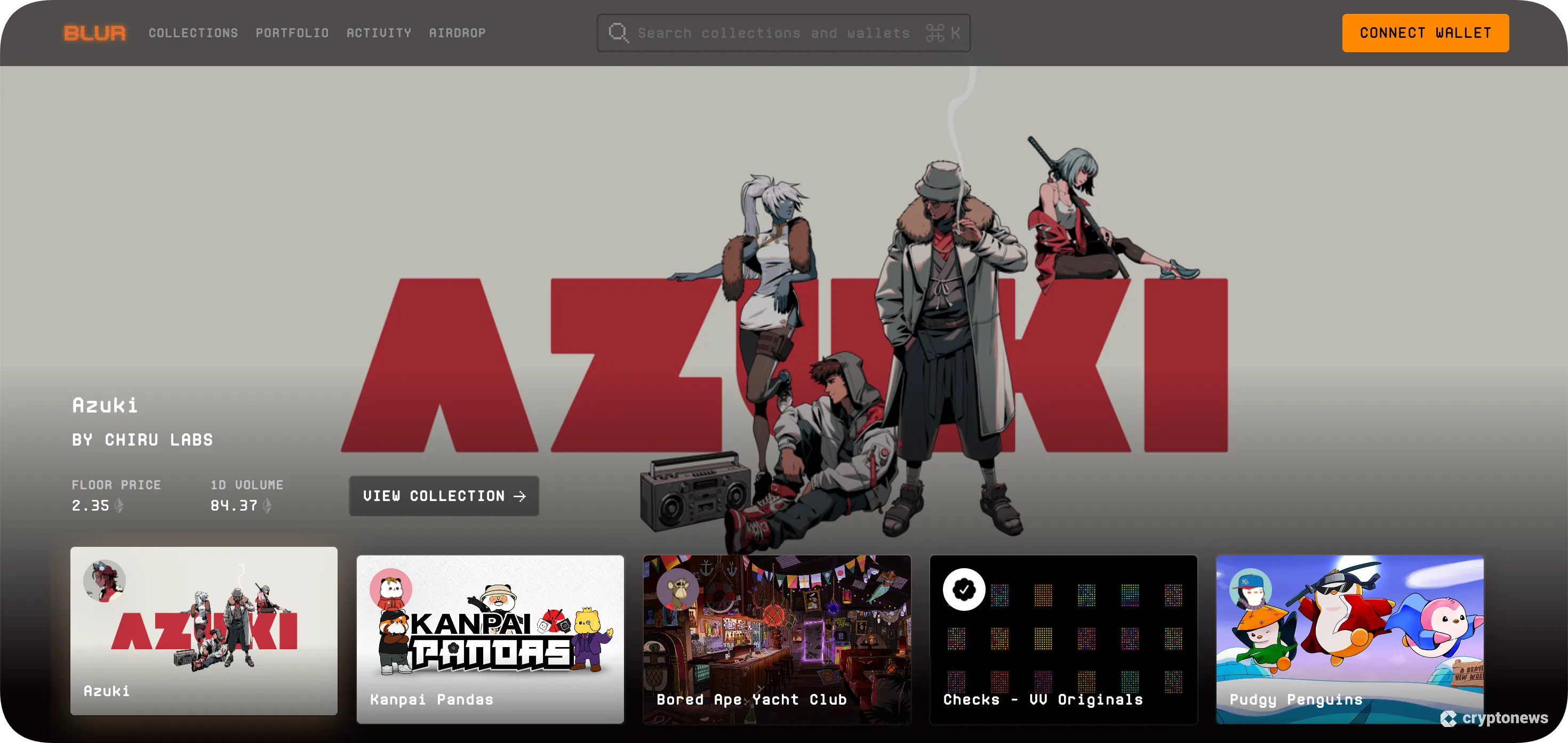
Blur focuses on professional NFT traders. It offers an aggregator and advanced analytics like OpenSea Pro. Blur has zero trading fees and rewards users with its $BLUR token, attracting high-volume traders. However, Blur only supports Ethereum NFTs. Its interface is complex and lacks a mobile app, making it less suitable for casual users.
Magic Eden started as the top Solana marketplace and now supports other chains like Ethereum and Bitcoin. It provides a user-friendly platform with features like a project launchpad and a strong community focus, especially for gaming NFTs. Magic Eden charges lower fees than OpenSea (around 2% on Solana, 0.5% on Ethereum) and makes creator royalties optional. It doesn’t offer token or trader incentives, competing instead through its curated communities. Magic Eden remains smaller than OpenSea overall.

OpenSea is the broadest “jack-of-all-trades” marketplace. It supports multiple blockchains, a key advantage that Blur lacks. OpenSea offers the largest user base and pioneered many features competitors now use. While rivals pushed OpenSea to improve (like temporarily cutting fees), it still charges more than Blur. OpenSea isn’t the cheapest or most specialized, but it effectively covers all bases.
OpenSea Fees & Gas Costs: What You’ll Pay in 2026
Using OpenSea is free for account setup and browsing, but there are certain fees and costs to be aware of when transacting. Here’s a summary of OpenSea’s fees in 2026:
| Action | Fee |
|---|---|
| Listing an NFT | Listing is free; gas costs are possible only for later adjustments. |
| Selling an NFT | Sellers pay a 2.5% fee; OpenSea Pro charges 0-0.5% temporarily. |
| Creator royalties | Royalties (5-10%) are optional; buyers choose the payment amount. |
Gas fees are separate from OpenSea charges. You pay them to the blockchain when buying, selling, or transferring NFTs. Costs depend on the network (high on Ethereum, low on Polygon, for example) and current congestion. Gas varies; see current average: Ethereum Gas Fees: Live Tracker & Calculator. Buyers or sellers pay depending on the transaction.
Is OpenSea Safe, Legit & Trustworthy? Security Review
OpenSea is a legitimate platform and one of the most established names in the NFT space. It’s not a scam – major investors back it and have been operating since 2017 with millions of users. Using OpenSea (or any NFT marketplace) comes with some security considerations. Let’s break down OpenSea’s safety and trust factors:
💼 Non-Custodial Trading
OpenSea is non-custodial. You always use one of the safest crypto wallets (like MetaMask). NFTs and funds stay in your wallet – OpenSea never holds them. Transactions happen directly on the blockchain between buyers and sellers. OpenSea just connects you. This is safer; even if OpenSea has issues, your assets remain secure in your wallet. They can’t be altered or taken by the platform.
You control your assets, but you’re also responsible for them. Protect your wallet’s seed phrase at all times. Always double-check transaction details before signing. OpenSea cannot move your assets without your approval. Remember: no central authority holds your assets, and none can recover them if you lose access.
🔍 Scams, Phishing, and Past Incidents
OpenSea itself hasn’t been hacked, but users face scams. Phishing emails tricked people after a vendor leaked user emails. Fake NFT collections are common – over 80% of free mints were spam or fakes. One collector lost $2 million buying fake Bored Apes. An old listing exploit lets scammers buy NFTs at outdated prices if users first transfer them without canceling listings. OpenSea reimbursed $1.8 million for this.
OpenSea freezes reported stolen NFTs, but this once trapped innocent buyers. They now require police reports within seven days. An employee was convicted of insider trading using featuring information. OpenSea banned such trades. Despite these issues, the platform uses audited contracts (Seaport), runs bug bounties, and remains safe with user vigilance. Most problems stem from user error, not platform breaches.
🛡️ OpenSea’s Security Measures and User Protections
OpenSea improved security with verified collections (blue checkmark) and fraud teams removing fakes. Its core Seaport contract is audited and secure. It supports hardware wallets and offers 2FA for account actions (not transactions). Clearer signature prompts help prevent mistakes. Educational guides teach safe practices, and warnings flag suspicious NFTs. A resolved SEC investigation (Feb 2026) indicates regulatory compliance.
Disputes rarely get refunds; NFT sales are usually final. OpenSea compensated users in specific platform-related cases like the listing exploit. Remember: you manage your assets. While OpenSea is a reliable platform for cautious users, staying vigilant is essential. Treat it like any financial activity online – double-check everything and keep software updated.
OpenSea Pros and Cons
Like any marketplace, OpenSea has its strengths and weaknesses. Here’s a look at the major pros and cons of using OpenSea in 2026:
- Biggest selection: More than 80 million NFTs across all major chains, unmatched variety and liquidity.
- User-friendly: Simple interface with filters and rankings, ideal for NFT beginners.
- Cross-blockchain: Manage Ethereum, Polygon, and Solana NFTs in one place.
- No upfront minting fees: Creators mint gas-free via OpenSea Studio tools.
- Royalties (5-10%): Supports creator royalties, though enforcement is now optional.
- Active development: Long-standing, trusted platform with continuous new features.
- Wallet support: Works with MetaMask, Coinbase, Phantom, Ledger, and more.
- Secondary market liquidity: The largest user base offers the best resale exposure.
- Marketplace fee (2.5%): Higher than rivals like Blur (0%), cutting into trader profits.
- Royalties now optional: Creators may receive 0% on resales, angering artists and collectors.
- Plagiarism/fake NFTs: Open access enables counterfeit collections; buyers must verify authenticity.
- User-targeted scams: Phishing and fake mints are common; vigilance is essential.
- Customer support: Slow response times and unresolved complaints; lacks live assistance.
- No native token: Missing rewards or governance incentives offered by competitors.
- Royalty cap (10%): Lower maximum than platforms like Rarible (50%).
- No direct fiat: Secondary sales require crypto; no credit card option.
OpenSea vs Other NFT Marketplaces: Quick Comparison
How does OpenSea compare to its main competitors in 2026? Below is a quick head-to-head overview of OpenSea alongside Blur (a popular Ethereum NFT marketplace focused on traders) and Magic Eden (a leading Solana-based NFT marketplace that’s gone multi-chain):
| Feature | OpenSea | Blur | Magic Eden |
|---|---|---|---|
| Chains Supported | Ethereum, Polygon, Solana, Arbitrum, Optimism, Avalanche, Klaytn, BNB Chain, and more (over 19 networks). | Ethereum only (Layer 1 mainnet NFTs). Blur is tightly focused on the Ethereum ecosystem collections. | Solana, Ethereum, Polygon, Bitcoin (Ordinals), and new L2s like Base and Arbitrum. |
| Marketplace Fee | 2.5% fee on sales (standard OpenSea). OpenSea Pro offers 0%–0.5% fees for a limited time. | 0% fees, default 0.5% creator royalty. | Around 2% Solana, 0.5% Ethereum; royalties optional. |
| User Base / Audience | Largest NFT user base (close to 70% in 2026), popular with mainstream collectors/creators. | Targets professional NFT traders, whales, and flippers with its data-heavy interface. | Home of Solana NFTs, now curated multi-chain for niche collectors. |
| Notable Perks | User-focused marketplace with the broadest NFT selection, NFT creator tools, and trusted reliability. | Offers zero fees, BLUR rewards, fast trading, and multi-marketplace aggregation. | Offers vetted launchpads, community tools, and multi-chain/fiat support. |
OpenSea is the best NFT marketplace, ideal for beginners and general collectors with its ease of use and vast selection. Blur excels for active traders, prioritizing zero fees and speed. Magic Eden suits Solana fans and those wanting a curated, community feel. Rarible offers unique features like 50% royalties and credit card buys on niche chains. Many users leverage multiple platforms.
Who Should Use OpenSea? Artists, Collectors & Traders
OpenSea’s broad feature set can cater to different types of NFT users. Here’s a quick guide on who benefits most from using OpenSea:
Creators (Artists & NFT Makers)
OpenSea is best for minting and royalties. Its no-code OpenSea Studio lets creators easily mint NFTs, launch collections, set allowlists, and even accept credit cards — with no upfront gas fees (the buyer pays fees). You also get access to NFT’s largest audience for exposure.
Creators can set royalties up to 10% on resales, earning passive income when their work trades hands. While royalties are now optional for buyers to honor, most sales still respect them. Alternatives like Rarible offer more control or higher royalties (up to 50%), but none match OpenSea’s reach and beginner-friendly tools for creators launching NFTs.
👉 Learn More: Rarible Review (2026)
Collectors (Buyers & Long-Term Holders)
OpenSea offers collectors the most extensive choice of NFTs, from blue-chip like CryptoPunks to indie projects. Its interface makes discovery easy with categories, trending lists, and detailed stats. You can filter NFTs by specific traits to find exactly what you want.
The UX is streamlined for everyday use. Showcase your collection on your profile, use the polished mobile app for browsing or notifications, and leverage pricing tools like historical sales data. OpenSea’s huge user base provides unmatched liquidity for buying and selling. While caution is needed against fakes, its verified badges and tools make it an essential NFT bazaar.
Traders (Flippers & High-Volume NFT Traders)
OpenSea remains useful for NFT trading due to its high liquidity. Its large user base often allows you to sell items faster, helping you avoid big price drops when exiting positions. Traders also use it for cross-market arbitrage, spotting underpriced NFTs compared to other platforms.
OpenSea Pro (the upgraded Gem platform) is key for serious traders. It aggregates listings from over 170 marketplaces and offers advanced tools like bulk buying and collection-wide bids. Crucially, it currently has 0% fees, matching competitors like Blur. Remember the standard 2.5% fee if using the main site.
Unlike Blur, OpenSea lacks token rewards, though a future token could change this. Its robust API supports bot trading. Understand market trends: Pros might use Blur during slumps, but new buyers flock to OpenSea during hype, giving you a selling advantage.
Final Verdict: Is OpenSea Still the Best NFT Marketplace?
OpenSea remains a top NFT marketplace in 2026, mainly due to its huge user base and variety of NFTs. Its strengths include high liquidity, cross-chain convenience, and a user-friendly experience, making it essential for beginners and creators seeking maximum exposure. Roughly 40% of trading volume still happens here. Innovations like OpenSea Pro cater to advanced traders with powerful tools.
However, OpenSea isn’t perfect for everyone. Pro traders often find platforms like Blur more profitable due to zero fees and token rewards. Creators unhappy with royalty enforcement might prefer alternatives like Rarible. Users focused on specific chains (like Solana) get better experiences elsewhere, such as Magic Eden. The platform can also feel overwhelming with lower quality control.
Recommendations depend on your needs: If you’re new to NFTs, start with OpenSea for its ease and selection, but be cautious. Creators should primarily list here for a broad reach while considering other platforms. Traders should strategically use OpenSea Pro alongside competitors like Blur, watching fee changes closely. Dedicated community members might prefer niche platforms but should still monitor OpenSea for major trends. While competitors have narrowed their lead, OpenSea’s scale and ongoing evolution keep it essential for most users.
OpenSea Frequently Asked Questions
Is OpenSea better than Blur?
Can I use OpenSea on mobile?
What wallets work with OpenSea?
Are OpenSea NFTs safe to buy?
Does OpenSea have buyer protection?
References
- OpenSea regains NFT market lead as rivals fall behind in user activity (Cointelegraph)
- What blockchains are compatible with OpenSea? (OpenSea)
- Rarible vs. OpenSea (Coin Ledger)
- OpenSea freezes $2.2M of stolen Bored Apes (Coin Telegraph)
2M+
250+
8
70






 in numbers

About Cryptonews
Our goal is to offer a comprehensive and objective perspective on the cryptocurrency market, enabling our readers to make informed decisions in this ever-changing landscape.
Our editorial team of more than 70 crypto professionals works to maintain the highest standards of journalism and ethics. We follow strict editorial guidelines to ensure the integrity and credibility of our content.
Whether you’re looking for breaking news, expert opinions, or market insights, Cryptonews has been your go-to destination for everything cryptocurrency since 2017.
