

How to Trade Meme Coins in 2026 – A Full Guide
We believe in full transparency with our readers. Some of our content includes affiliate links, and we may earn a commission through these partnerships. However, this potential compensation never influences our analysis, opinions, or reviews. Our editorial content is created independently of our marketing partnerships, and our ratings are based solely on our established evaluation criteria. Read More






Meme coin trading involves buying and selling cryptocurrencies inspired by internet jokes or trends. Meme coins’ value mainly comes from hype, community buzz, and speculation, making them high-risk, fast-moving, and, sometimes, surprisingly profitable.
That’s why traders are drawn to meme coins. The chance of quick gains, paired with the thrill of viral momentum, creates a unique mix of speculation and community energy, even if the same volatility can just as quickly flip against them.
In this guide, we’ll explain how to start trading meme coins, where to trade them (centralized vs. decentralized platforms), and essential considerations on risk management to help you decide if the best meme coins right now are worth it.
- In This Article
-
- 🖥️ Do Your Own Research (DYOR)
- 🔒 Verify Token Contract Authenticity
- 🧑🤝🧑 Assess The Community and Hype Critically
- 🔍 Watch Out For Common Types of Crypto Scams
- 📱 Use Secure Tools and Official Platforms
- 💸 Set Stop-Loss Orders When Possible
- 🚫 Never Invest More Than You Can Afford to Lose
- 📁 Diversify Across Safer Assets
- In This Article
- Show Full Guide
-
- 🖥️ Do Your Own Research (DYOR)
- 🔒 Verify Token Contract Authenticity
- 🧑🤝🧑 Assess The Community and Hype Critically
- 🔍 Watch Out For Common Types of Crypto Scams
- 📱 Use Secure Tools and Official Platforms
- 💸 Set Stop-Loss Orders When Possible
- 🚫 Never Invest More Than You Can Afford to Lose
- 📁 Diversify Across Safer Assets
Key Takeaways on Meme Coin Trading
- Meme coins = hype-driven crypto: Meme coins are hype-driven cryptocurrencies with little real utility.
- High rewards, high risk: The best meme coins offer potential for large gains but with extreme volatility risk.
- Where to trade: You can trade them on major exchanges and decentralized platforms.
Manage your risk: Only invest what you can afford to lose completely.
What Is Meme Coin Trading?
To understand their appeal, you must first know what meme coins are. These are cryptocurrencies born from internet jokes and viral trends. Unlike traditional cryptos built on technological utility, meme coins are driven primarily by community hype and social media engagement, not fundamental value.
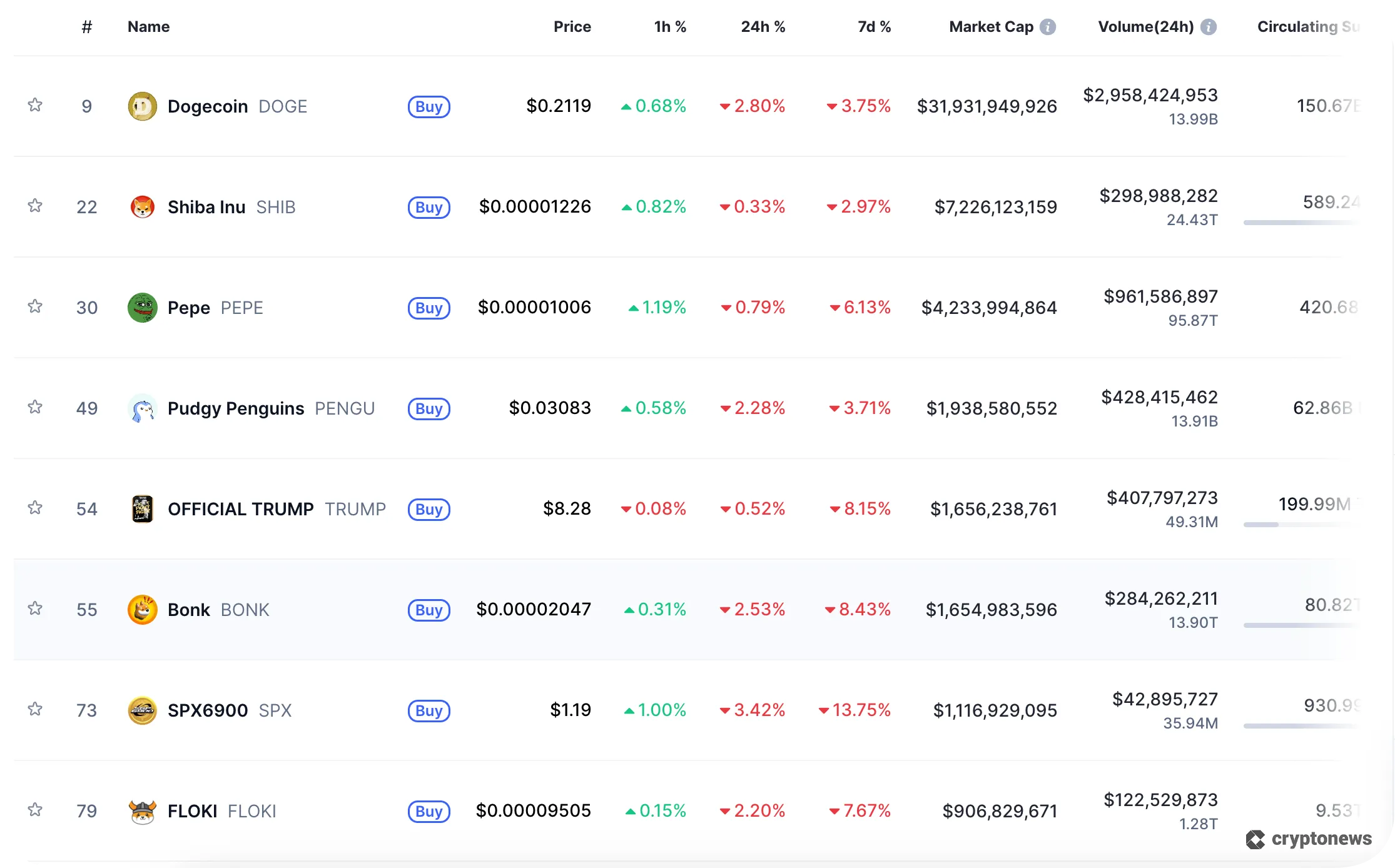
Their prices are extremely volatile and dictated by online sentiment. A single influencer’s tweet or a trending hashtag can cause a price to skyrocket or collapse overnight. This creates a high-risk environment where fortunes can be made or lost based purely on the latest social media frenzy.
For traders, this volatility is the main attraction, offering the chance for enormous short-term gains. The low entry price and fun, community-driven nature add to the appeal. However, this is a speculative gamble, as coins often crash when the hype inevitably fades.
How to Start Trading Meme Coins
This guide explains how to buy and trade meme coins. It walks you through choosing where to trade and funding your account. You’ll also learn about opportunities on different blockchains, like some of the best Solana meme coins gaining attention right now.
Keep in mind that trading meme coins is risky. Treat it like a speculative activity, not a sure investment. If you’re used to more stable coins or stocks, expect more chaos here. Start small, and never invest more than you can afford to lose.
Step 1 – Learn the Basics of Crypto Trading
Meme coin trading involves buying and selling assets on exchanges and storing them in wallets. The most common method is spot trading, where you immediately exchange funds for a cryptocurrency at its current market price.
Understanding order types is crucial. A market order executes instantly, a limit order sets a specific price, and a stop-loss order automatically sells to limit potential losses. These tools are vital for navigating the market’s extreme volatility.
Most importantly, you must Do Your Own Research (DYOR). Never trust hype alone. Investigate a project’s community and potential red flags, as this is your best defense against scams in the speculative meme coin space.
Step 2 – Choose a Trading Platform
You have two main options for trading: Centralized Exchanges (CEXs) like Binance, or Decentralized Exchanges (DEXs) like Uniswap.
CEXs are simpler and more secure, which makes them the best crypto exchanges for beginners and for trading established coins. DEXs, on the other hand, are where you often find newer meme coins before they get listed elsewhere.

Focus on key things when you choose: liquidity, fees, available coins, and security. Good liquidity on a CEX makes trading smooth. A DEX gives you more coin choices, but usually comes with more risk. Always pick a platform with strong security to keep your funds safe.
Step 3 – Set Up Your Wallet
To trade meme coins on decentralized exchanges, you will need one of the best crypto wallets to store your assets securely. Wallets fall into two categories: hot and cold.
- Hot wallets, like MetaMask or Phantom, are connected to the internet and are essential for actively trading on DEXs.
- Cold wallets, such as Ledger or Trezor, are offline hardware devices and provide superior security for long-term storage.
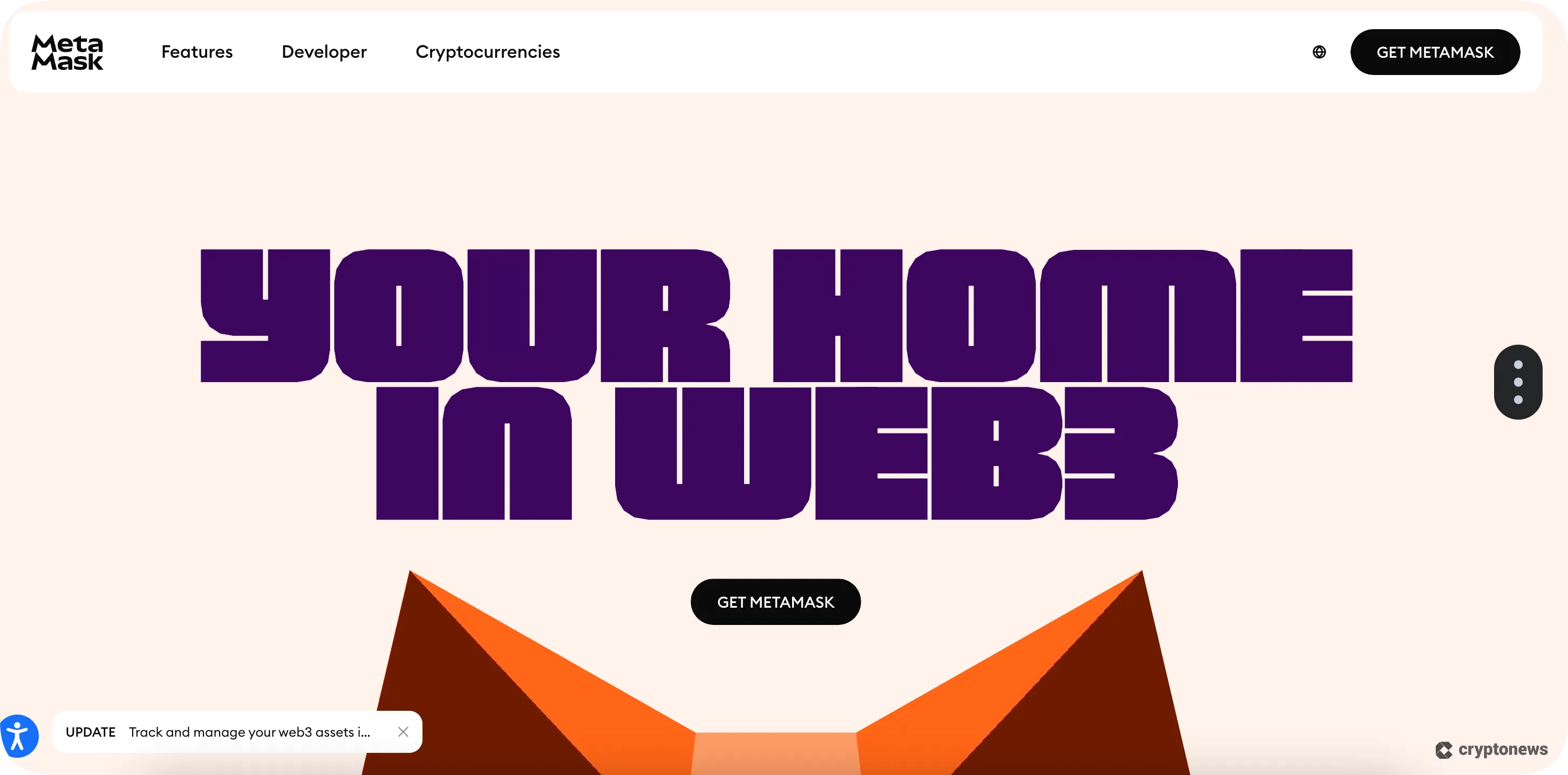
Connecting a hot wallet to a DEX is straightforward: visit the exchange’s website, click “Connect Wallet,” and approve the connection through your wallet app. Always ensure you are on the official DEX site to avoid phishing scams.
Most importantly, securing your private keys and recovery phrase is critical. Never share them, as they grant full access to your funds. For optimal safety, use a cold wallet for holdings and a hot wallet only for the funds you intend to trade.
Step 4 – Fund Your Account
You must first fund your account to buy meme coins. This is done through fiat on-ramping, where you deposit traditional currency like USD via a bank transfer, credit card, or P2P service on a centralized exchange.
Once your fiat is deposited, you must convert it into a base cryptocurrency. This is a crucial step, as meme coins are typically traded against these assets. Common choices include stablecoins like USDT or native network tokens like ETH or BNB, which are needed for transactions and gas fees on their respective blockchains.
With your base crypto acquired, you can purchase meme coins directly on the exchange. If you plan to use a decentralized exchange, you must first withdraw your base currency to a personal wallet to connect and trade.
Check if the exchange requires a minimum deposit. Some ask for as little as $10. Also note that bank transfers can take days to process. Crypto deposits need blockchain confirmations, which also takes time. Plan ahead. You don’t want to miss a good opportunity because your funds are still clearing.
Step 5 – Place Your Trade
To buy a meme coin on a centralized exchange, first search for its trading pair, such as SHIB/USDT. Check the chart and order book to see if the coin has enough liquidity. You want to avoid coins with low volume to prevent high slippage.
Then, place a market order to buy immediately, or use a limit order to set your desired price.
If you use a decentralized exchange, find the token’s official contract address from a trusted source.
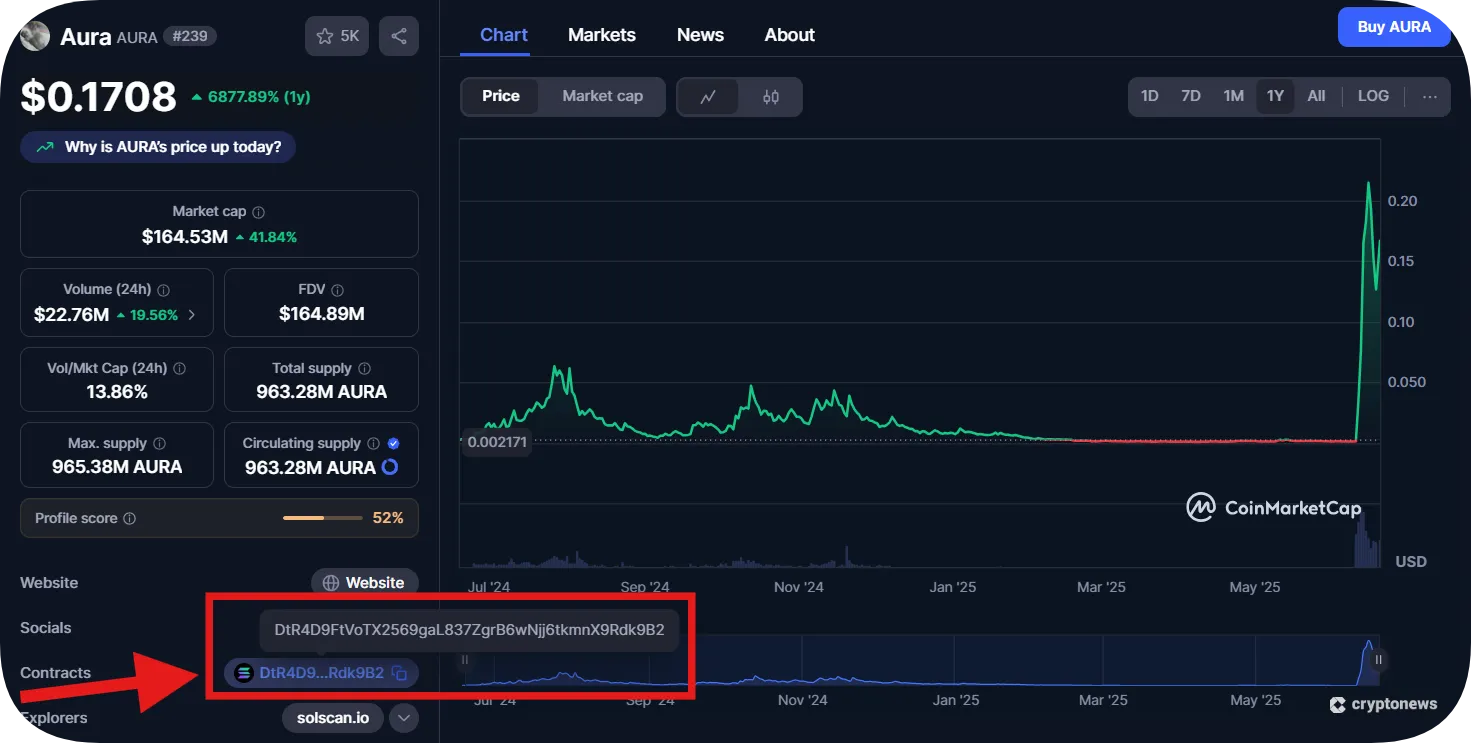
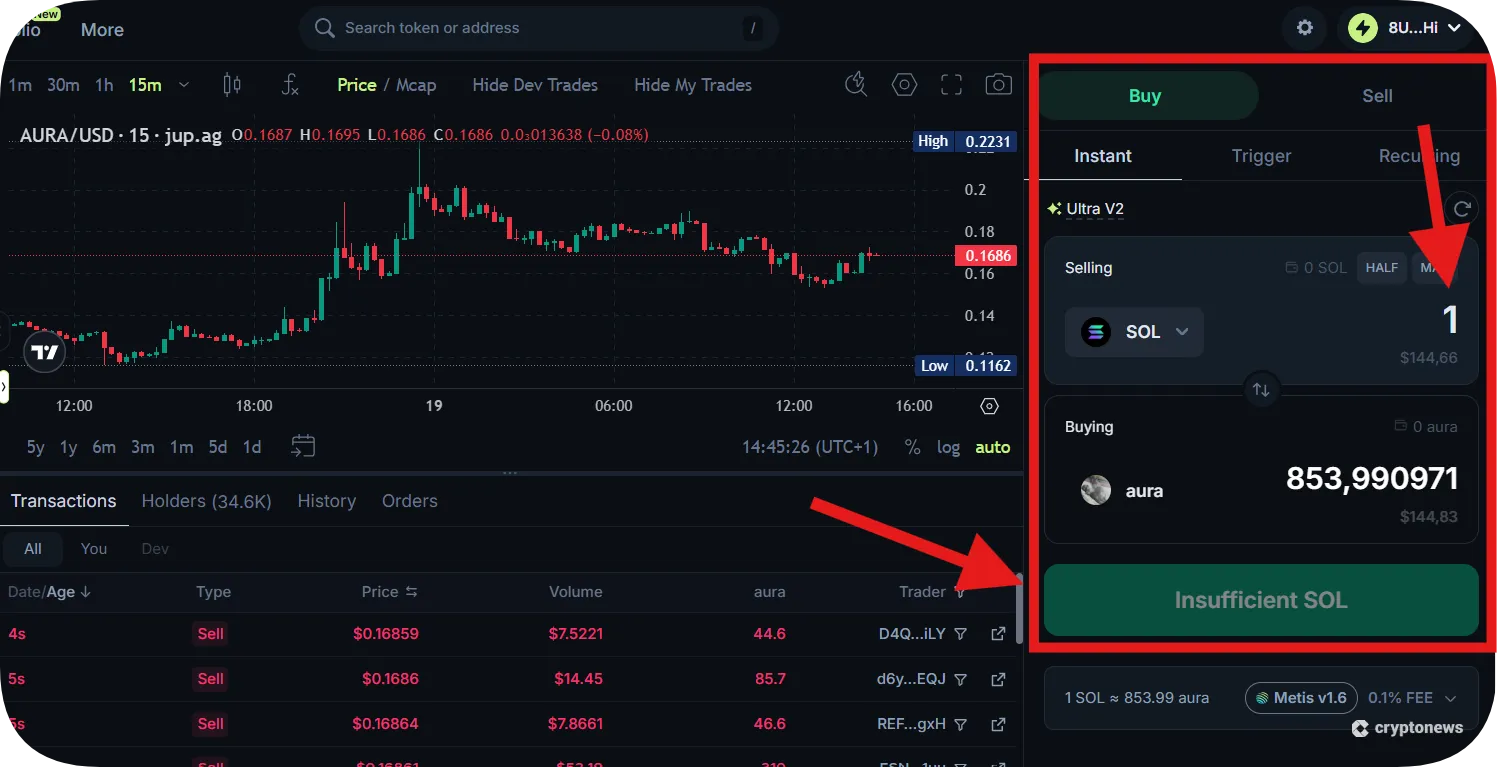
Paste that address into the DEX to load the token. Before you swap, look at the liquidity pool size to understand how your trade will affect the price.
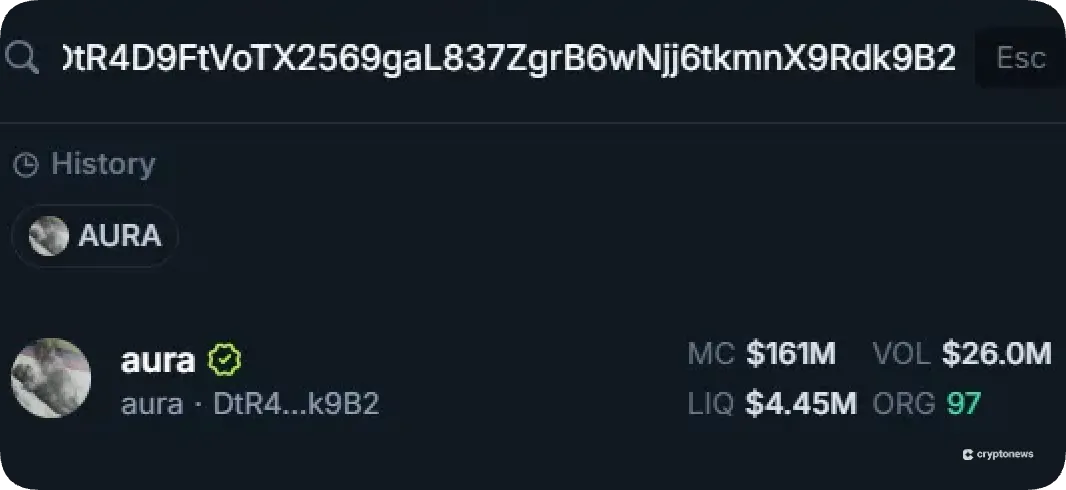
Finally, approve the token in your wallet and confirm the swap. Remember, you must pay a network gas fee to complete the transaction.
Where to Trade Meme Coins
Meme coins can be traded in various places, each with advantages and drawbacks. The main options are summarized below.
You’ll generally encounter centralized exchanges, decentralized exchanges, and some specialized tools or platforms focused on meme coins. Understanding these options will help you choose the best approach for your trading strategy.
The table below compares the key venues for where to trade meme coins, and in the sections that follow, we’ll explore each in detail.
| Trading Venue | Examples | Pros | Cons |
|---|---|---|---|
| Centralized Exchanges (CEXs) | Binance, KuCoin, OKX, Kraken |
|
|
| Decentralized Exchanges (DEXs) | Uniswap (Ethereum), PancakeSwap (BSC), SushiSwap, Trader Joe (various chains) |
|
|
As you can see, where to trade meme coins depends on whether you prioritize safety, access to new coins, ease of use, or anonymity. Next, we’ll go deeper into each category as well as auxiliary tools for meme coin trading such as analytics platforms.
Centralized Exchanges (CEX)
Centralized exchanges are the traditional hubs for crypto trading. They operate like online stock brokerages: a company provides a platform that matches buyers and sellers and holds users’ funds in custodial wallets.
For meme coin traders, CEXs offer a convenient way to trade popular tokens.
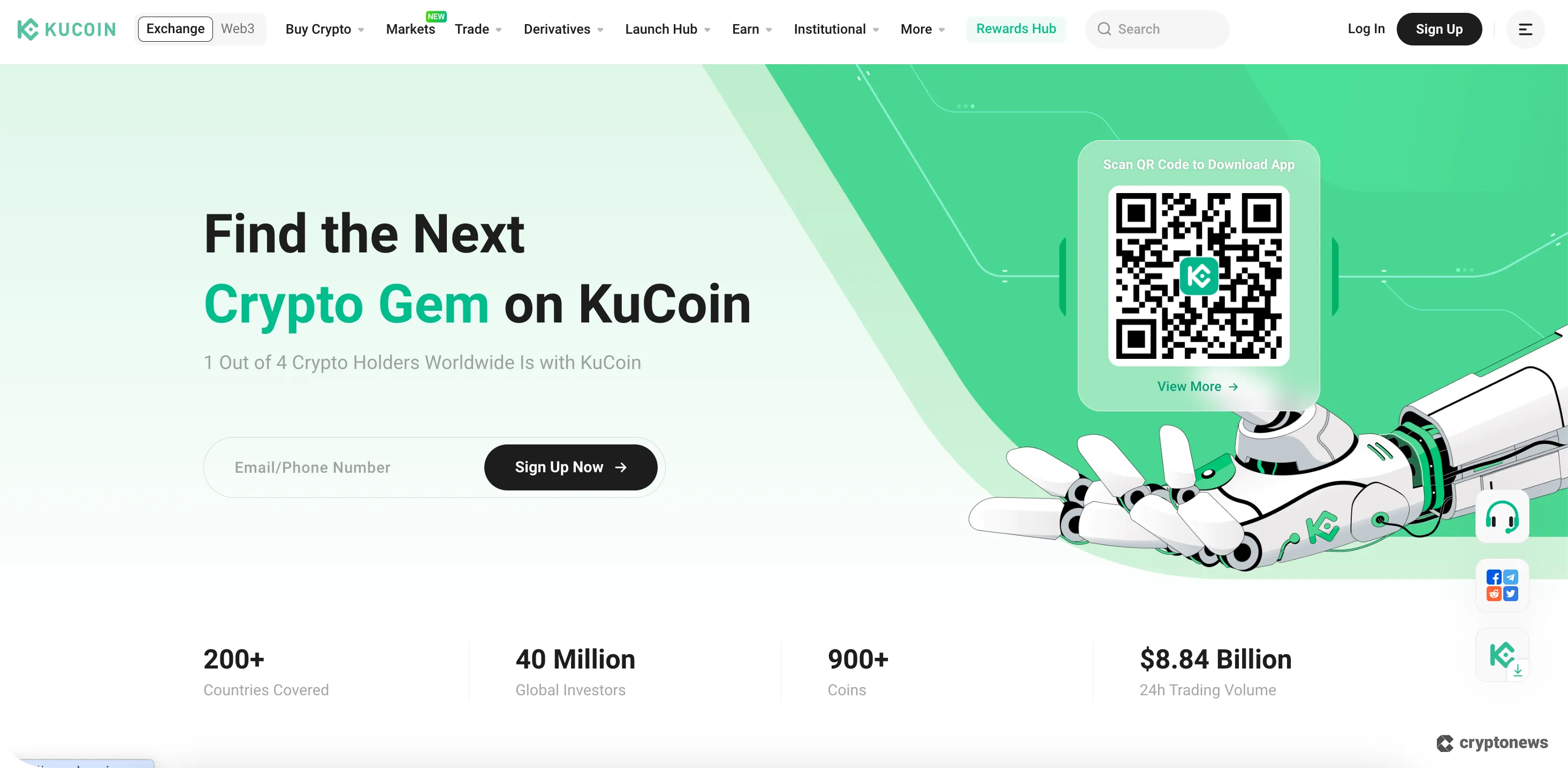
Major exchanges like Binance, Coinbase, and KuCoin are popular for meme coin trading because they offer higher liquidity, faster execution, and built-in security measures, while removing the need to manage wallets or gas fees.
This makes the whole process smoother and less intimidating for beginners.
Pros
- User-friendly interfaces and simple trading processes.
- High liquidity ensures stable prices and minimal slippage.
- Direct fiat purchases with credit cards or bank transfers.
- Strong security measures and customer support are available.
- Offers a layer of trust through project due diligence.
Cons
- Limited selection of newer, micro-cap coins.
- Identity verification (KYC) is required for access.
- You risk losing funds if the exchange fails.
- All your trading activity is linked to your identity.
- Coins can be delisted, disrupting your trading plans.
Decentralized Exchanges (DEX)
Decentralized exchanges are the wild west of meme coin trading. They run on smart contracts, with no centralized entity controlling trades or holding user funds. For meme coin hunters, DEXs are where you’ll find the latest tokens and the highest-risk, highest-reward opportunities.
Always verify a token’s official contract address to safely use decentralized exchanges.
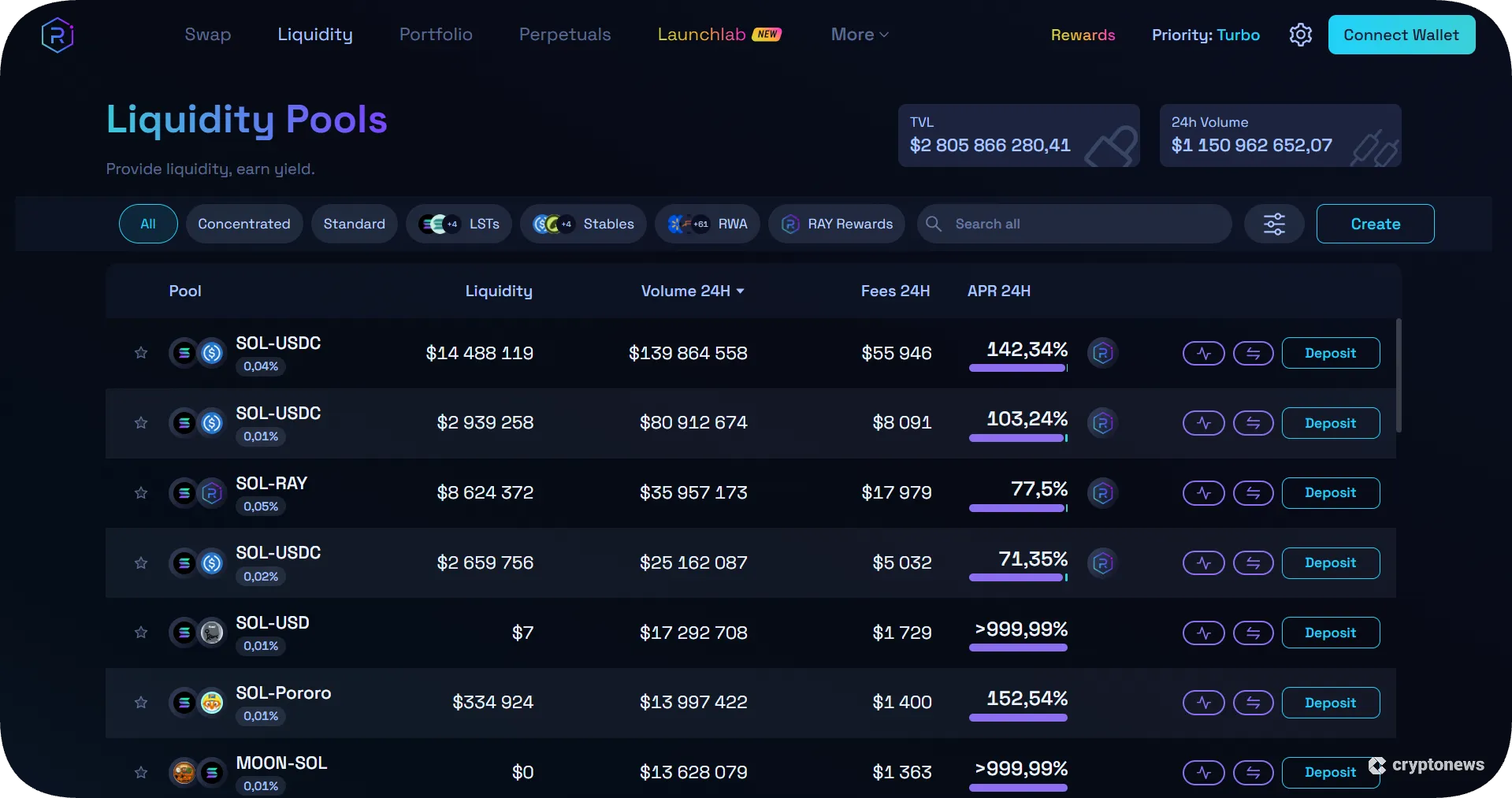
As an aid, utilize tools like DexTools to monitor liquidity and holder concentration, and ensure liquidity is locked to reduce rug pull risks. Start with small trades to practice and minimize potential losses and falling for scams.
DEXs are essential for discovering new meme coins before they list on centralized platforms.
While they offer unparalleled access, trading on the best decentralized exchanges requires caution. Many traders use DEXs for early speculation and shift to CEXs once a token gains stability and volume.
Pros
- Access to new meme coins at their earliest stage.
- No identity verification (KYC) is required to trade.
- You retain complete control of your assets in your wallet.
- Offers a permissionless and community-driven trading environment.
Cons
- High risk of scams, rug pulls, and fake tokens.
- Requires more technical knowledge to navigate and trade.
- Network gas fees can be prohibitively expensive.
- High slippage and volatility due to shallow liquidity pools.
- Inherent smart contract risks when interacting with new tokens.
Meme Coin-Focused Platforms and Tools
To trade meme coins wisely, you need the right tools. Several key platforms help you discover, track, and analyze tokens beyond just the exchanges. They give real-time data, show what communities discuss, and provide crucial on-chain analytics.
Think of them as your research command center — they help you spot new trends, check if a project is legitimate, and monitor your investments.
Key tools and their primary uses include:
- DexTools/DexScreener for real-time trending data and on-chain analysis like liquidity checks.
- CoinGecko/CoinMarketCap to view top meme coins by market cap and track overall category trends.
- Social trackers to gauge hype and momentum on platforms like Twitter and Telegram.
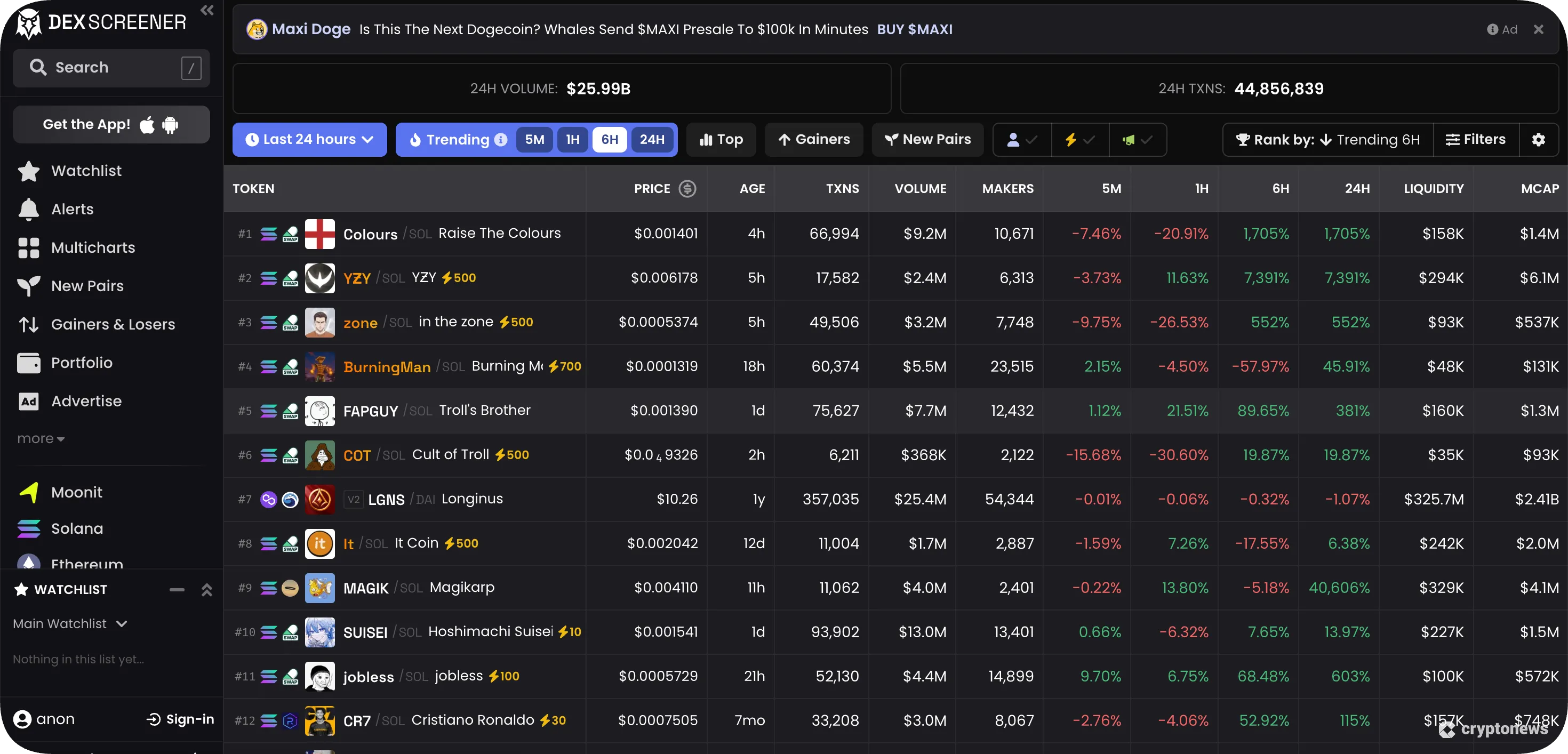
Ultimately, these platforms provide the crucial intel for strategizing, but always cross-verify any information directly on the blockchain, as data can be gamified. Use them as indicators, not the absolute truth.
👉 Learn More: Best Meme Coin Trading Bots in 2026
Liquidity Pools and Why They Matter
Liquidity pools power all trading on decentralized exchanges. They are a shared pot of tokens that let people swap assets.
For meme coins, the pool’s size and safety are crucial:
- A big pool means you can trade without heavily affecting the price.
- A small pool that isn’t locked is a serious warning sign. It often means developers could pull out all the money suddenly, causing the token’s value to crash.
When evaluating a meme coin, always check its liquidity pool for these key factors:
- Total Value: A small pool means high slippage and volatility.
- Lock Status: Ensure the LP tokens are burned or timelocked to prevent a rug pull.
- Trend: Monitor if the liquidity is growing or draining over time.
Practically, the pool’s health dictates how easily you can enter and exit a position. Watching for sudden liquidity drops can be an early warning sign of trouble, making it a vital metric for any savvy trader.
Popular Meme Coins for Traders Right Now
The meme coin market changes fast. Some top tokens always stay popular, while new ones suddenly grab everyone’s attention. These are some of the most talked-about meme coins that traders watch.
Dogecoin (DOGE)
Dogecoin  DOGE +1.37% is the original meme coin. It was first launched in 2013 as a lighthearted parody built around the Shiba Inu “Doge” meme. It gained mainstream attention and dramatic price appreciation, heavily influenced by support from high-profile figures like Elon Musk.
It runs on its own blockchain, which means transactions are fast and cheap. People often use it for tipping and small donations online. It’s well-respected because it has a dedicated community, can be found on most exchanges, and has strong liquidity. Many see it as one of the best meme coins because it’s widely recognized and tends to behave more predictably during hype cycles.
Shiba Inu (SHIB)
Shiba Inu  SHIB +1.96% started in August 2020. It called itself a “Dogecoin killer” and was built on Ethereum. Its huge token supply and viral growth helped it quickly gather a large community called the “Shib Army.” The project grew beyond just a meme by creating an entire ecosystem. This includes the ShibaSwap decentralized exchange and other tokens like LEASH and BONE, which added real DeFi use.
Listings on major exchanges and strong community support fueled its huge 2021 price surge. New upgrades, like the Shibarium layer-2 network, help keep it relevant. It remains one of the best meme coins for traders who want cultural buzz and a growing ecosystem.
Pepe (PEPE)
Pepe  PEPE +2.93% is a newer meme coin themed around the Pepe the Frog internet meme, which saw an explosive rise in popularity during 2023. It was launched as an ERC-20 token on Ethereum, making it easily accessible and tradable across various platforms.
The token rapidly reached a multi-billion dollar market cap, fueled by viral meme culture and swift listings on major exchanges. It is widely recognized among traders for its extreme volatility and rapid pump-and-dump cycles, cementing its status as one of the best meme coins for those chasing short-term, high-risk gains.
Floki Inu (FLOKI)
Floki  FLOKI +4.27% is a cryptocurrency inspired by Elon Musk’s dog. To reach more users, it launched on two major networks: Ethereum and Binance Smart Chain. Its supporters call themselves the “Floki Vikings,” a passionate and organized group. The project is known for its heavy advertising in the real world. It has also expanded into useful products like NFT collections and games.

When meme coins become popular, Floki often stands out. It offers more than just a meme; it has those utilities and strong marketing. This makes it a notable option for traders watching crowd sentiment.
Bonk (BONK)
Bonk  ”BONK” 2.70% emerged as the leading Solana-based meme coin, launching in December 2022 to revitalize the Solana ecosystem. It gained rapid traction through a widespread airdrop to Solana NFT holders and developers, spurring strong grassroots adoption.
Capitalizing on Solana’s low fees and fast transactions, it introduced deflationary token burns to enhance its tokenomics. Regarded as one of the best Solana meme coins, Bonk offers traders exposure to meme culture on an alternate high-performance network.
Emerging Meme Coins
Meme coins keep popping up, and for many traders the appeal is being early before the crowd notices. New tokens like Useless Coin (USELESS), aura (AURA) (on Solana), TROLL (TROLL), MemeCore (M), and BUILDon (B) might look like jokes at first, but they often build strong communities that can drive trading activity.
Traders watch them closely because low market caps mean even small amounts of liquidity can move the price dramatically.
Before diving in, it helps to check a few basics:
- Is the contract safe?
- Is liquidity locked?
- Are tokens fairly distributed among holders?
Looking at trading volume and how active the community is can also reveal whether a project has real momentum or is just hype. The excitement comes from spotting these signals early.
But always remember: Meme coins are fun but very risky, so caution is key.
Comparison Table: Popular Meme Coins at a Glance
Here is the comparison among the most popular meme coins in 2026:
| Coin | Blockchain | Key Appeal | Notable Traits | Best For |
|---|---|---|---|---|
| DOGE | Dogecoin blockchain | Legacy, high liquidity, social cachet | Fast, low-fee transactions | Traders seeking stable name, readily available liquidity |
| SHIB | Ethereum (ERC-20) | Community ecosystem, DeFi expansion | ShibaSwap, tokenomics (LEASH, BONE) | Those wanting meme + utility potential |
| PEPE | Ethereum (ERC-20) | Viral hype, explosive volatility | High pump-dump cycles | High-risk, high-reward short-term plays |
| FLOKI | BSC & Ethereum | Aggressive marketing, cross-chain presence | NFT/gaming cooperation, strong community | Trend-focused, hype cycle rotation |
| BONK | Solana | Solana exposure, quick transactions | Airdrop-driven adoption, deflationary logic | Diversified chain meme plays on Solana |
| Emerging | BSC / Solana / MemeCore L1 | Fresh memes, speculative bets | Varies per token (tokenomics, hype) | Risk-tolerant traders seeking early risers |
How to Spot Trending Meme Coins Early
Learning how to find meme coins early means knowing where to look online before a trend takes off.
- Start with Crypto Twitter (X). Follow traders with a good reputation and watch for gaining traction hashtags. This is often where the buzz begins.
- Telegram and Discord groups are also essential. New projects frequently get announced in their “alpha” channels. These spaces let you sense the community’s early excitement.
- Next, use on-chain tools like DexScreener or Etherscan. They show you real-time data so that you can spot a new token with a sudden surge in traders or volume.
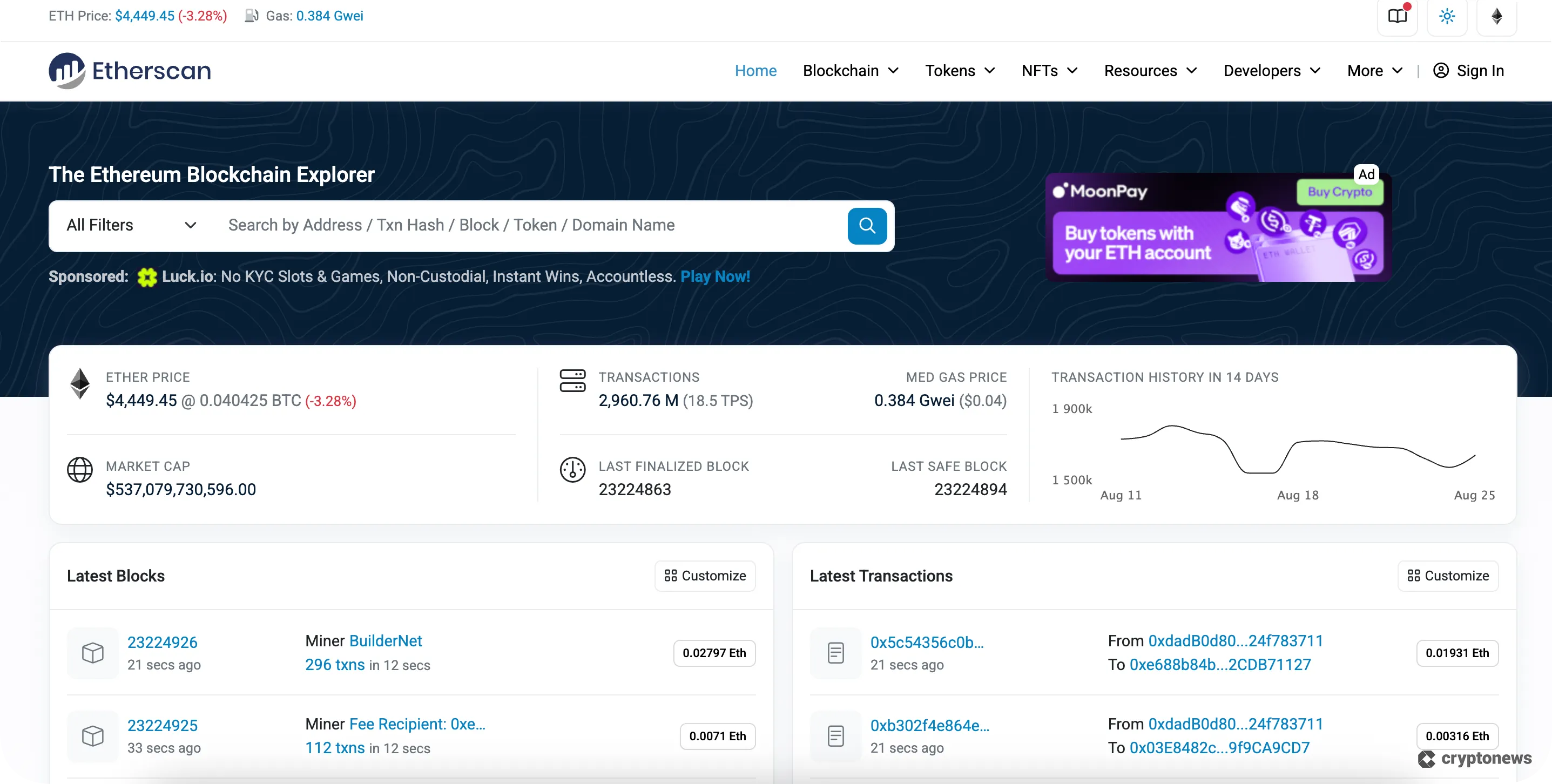
But remember, your most important job is research. Always check if the project’s liquidity is locked. Look at how the tokens are distributed, and see if the idea is unique or just copying another coin.
Finding a coin early can be rewarding, but you must avoid impulsive buys driven by the fear of missing out. Do your homework first.
Can You Make Money Trading Meme Coins?
This is the million-dollar question (sometimes literally). The short answer: Yes, you can make money trading meme coins, but you can also lose everything just as easily.
The outcome depends on timing, strategy, and frankly, luck. Let’s break down the considerations.
🗓️ Short-Term Trading vs. Long-Term Holding
Due to their hype-driven nature, meme coins are generally unsuitable for long-term investments. Instead, they are often treated as the best short-term crypto opportunities, where traders aim to capitalize on rapid pumps and exit before the inevitable downturn.
While some investors may hold a small “moon bag” hoping for exponential growth, most successful participants approach meme coins with a short-term, swing-trading mindset.
📈 Volatility: Opportunity and Risk
Meme coins are among the most volatile crypto assets, capable of delivering gains or losses of 20–100% within hours. This extreme volatility allows for significant profit potential and exposes traders to substantial risks.
Proper risk management, such as setting stop-loss orders and avoiding overexposure, is essential to navigate these swings.
💸 Realistic Profit Expectations
While viral stories of turning small sums into millions exist, they are extreme outliers. A more sustainable strategy involves targeting smaller, repeatable gains (30%–50% per trade, for example) and compounding them over time.
Allocating only a small “degen” portion of your portfolio to meme trading can help balance potential rewards with risks.
🔒 Pump-and-Dump Schemes
Pump-and-dump schemes dominate the meme coin space. Groups artificially inflate a coin’s price and then cash out all at once, leaving anyone who buys in late holding the bag.
Be skeptical of any coin that spikes for no obvious reason. Don’t buy simply because you fear missing out. Taking profits early is a smarter move than gambling on the unpredictable top.
While it’s possible to make money, it demands strict discipline. Always research first and prioritize risk management. View these as short-term, high-risk bets — never as long-term investments. This approach is the best way to avoid getting wiped out.
Are Meme Coins Worth Buying?
So, with all this chaos, should you even buy meme coins? Honestly, it depends entirely on you.
The answer comes down to your appetite for risk, your financial goals, and how well you understand the market. There’s no universal yes or no.
Meme coins are the epitome of high-risk, high-reward crypto. They can make or lose a fortune faster than almost any other investment. This means they are not for everyone. Let’s explore further:
Who Meme Coins Might Suit
👉 Meme coins are suited for a specific investor who understands and accepts their high-risk, high-reward nature.
Ideally, you should tolerate volatility strongly and be comfortable with the possibility of losing your entire investment. These assets attract those who enjoy being part of energetic online communities and chasing internet trends, not just for profit but also for the cultural experience.
They are also suitable for active short-term traders who can capitalize on rapid price movements and conservative investors who allocate a small, speculative portion (e.g., 1%–5%) of their portfolio to high-risk opportunities.
Additionally, they appeal to individuals who feel they missed earlier crypto booms and are seeking outsized returns, even if it means taking on greater risk.
In all cases, it’s essential only to use capital you can afford to lose and maintain emotional resilience during extreme market swings.
When Can Meme Coins Be Strategic Investments?
Calling meme coins “strategic” might seem odd, but they can be a savvy move in the right situation.
The biggest opportunity is during a memecoin supercycle, when meme coins explode in popularity, often while major cryptocurrencies like Bitcoin are stuck in a rut.
Identifying the best memecoin supercycle tokens leading the charge can lead to major short-term gains.
You can also use them to tap into a viral trend or as a high-risk diversifier in a larger portfolio. For some, a strong meme coin community offers real networking value.
⚠️ But let’s be clear: This is pure speculation. It’s a short-term gamble on crowd psychology, not a replacement for sound, long-term investing.
Reasons to Avoid Meme Coins
Meme coins are a high-risk gamble. Many experienced investors avoid them entirely for a simple truth — they’re incredibly dangerous.
Most have no real purpose or underlying value. Their entire price is fueled by online buzz, making them wildly unpredictable and impossible to judge with standard investing methods. This lack of substance also makes them a perfect target for scams.
Put simply, these tokens aren’t for most people. You need an extremely high tolerance for risk, and they should only ever represent a tiny portion of your holdings if you choose to hold them.
Key reasons to exercise caution include:
- No Fundamental Value: Most meme coins lack utility or real-world use cases.
- Extreme Volatility: Prices can swing wildly based on sentiment alone.
- High Scam Risk: Many projects are fraudulent or abandoned quickly.
- Emotional Stress: Constant price swings can lead to obsessive behavior.
- Opportunity Cost: Capital allocated to memes could be invested elsewhere.
- Regulatory Uncertainty: Evolving regulations may impact meme coin legality and taxation.
Statistically, most meme coins fail. Some reports indicate up to 97% collapse within a short period of time. More conservative investors may find better opportunities in established cryptocurrencies or traditional assets.
Essential Tips for Trading Meme Coins Safely
Given the risks we’ve discussed, it’s worth compiling a list of essential safety tips. If you’re going to trade meme coins, follow these guidelines to protect yourself from the worst outcomes:
🖥️ Do Your Own Research (DYOR)
Here’s your most important rule: always research a meme coin before you buy it.
Dig into its documents, if there are any. Scrutinize the project’s website — does it look professional or thrown together? Check its social media. Are the developers active and transparent? Does the community have honest discussions, or is it just hype?
If you can’t find clear information, consider that a major red flag. Doing your homework isn’t just a suggestion; it’s essential for understanding your risk.
🔒 Verify Token Contract Authenticity
Only use official sources (project website, verified Twitter announcement, CoinGecko link) to get the token’s contract address. Copycat scams often create tokens with the same name. If you buy the wrong one, at best, you lose fees; at worst, that fake token could have malicious code.
On platforms like BSC or Ethereum, double-check the contract on a block explorer: see if it’s verified, see if people are commenting “scam” on it, etc.
🧑🤝🧑 Assess The Community and Hype Critically
Is the hype organic or botted? Look at the quality of engagement on X/Telegram. Thousands of bot followers mean nothing. A healthy sign is unique memes, many users posting different content, and community-run initiatives (contests, etc.).
Be cautious if all you see are repetitive shill posts and unrealistic promises. Also, avoid blind trust in influencers. Some YouTube or Twitter personalities are paid to promote coins (and may not disclose it). Use their info as a tip, but not as proof of legitimacy.
🔍 Watch Out For Common Types of Crypto Scams
Rug pulls are one of the most famous types of crypto scams, where devs yank liquidity or abandon the project after cashing in. We’ve covered liquidity locks; always check if liquidity is locked and for how long. If not locked, you’re betting the dev won’t rug, which is a huge leap of faith.
Honeypots are another scam type. They are tokens you can buy but cannot sell (the contract prevents selling except by the creators). There are honeypot checker tools online to test a contract, or you might see warning signs on sites like DexTools if a token has that issue.
Pump-and-dump groups are when groups coordinate pumps. If you follow one, be aware that the organizers often dump on the followers.
To avoid phishing scams, remember to never respond to random DMs offering “support” or “airdrop” after you mention a coin online. Scammers often target people active in crypto communities. Basically, keep your skepticism high.
📱 Use Secure Tools and Official Platforms
When connecting your wallet to any site, ensure it’s the official site (bookmarks help). A wrong link can trick you into connecting to a malicious dApp that drains your wallet. Consider using a hardware wallet for DeFi trading, as it adds a layer of security, even if you approve something malicious, the hardware might mitigate non-whitelisted contract interactions.
Alternatively, use a fresh wallet (with limited funds) for each risky venture; that way, you don’t lose everything even if one gets compromised.
💸 Set Stop-Loss Orders When Possible
If trading on a platform that allows it (some CEXs or using specific DeFi tools), consider setting a stop-loss to sell if the price automatically falls to a certain point. This can prevent a bad situation from becoming catastrophic.
Meme coins can nosedive quickly, so a stop-loss can at least secure you from riding all the way down. The challenge is with decentralized trades; stop-loss isn’t straightforward (some protocols/bots can do it, but they’re advanced).
- On a CEX, definitely use them.
- On a DEX, you might instead set price alerts and be ready to sell if needed manually.
🚫 Never Invest More Than You Can Afford to Lose
This is the golden rule of all speculative investing, but doubly so here. Assume any money you put into a meme coin could go to zero. It often helps to size your positions explicitly.
For example, if you have $1000 you’re willing to speculate with, maybe spread it into four plays of $250 each, rather than $1000 on one coin. This way, one rug pull won’t wipe out your speculative fund.
It’s tempting to say “but if I put more, I’d profit more!” — resist that urge unless you’re genuinely okay with losing that “more.”
📁 Diversify Across Safer Assets
We mentioned this earlier — don’t go 100% meme coins. Keep a good portion of your crypto portfolio in more proven assets. Blue chip cryptos like Bitcoin or Ethereum might not be 100x in a month, but they won’t go to zero either.
Having a base in those or stablecoins gives you stability. Plus, when you profit from meme coins, moving some into stablecoins or blue chips to hold those gains is a smart practice. Think of meme coin wins as fuel to accumulate better assets.
In short, trading meme coins safely is about mitigating risks in an inherently risky game. Combining skepticism, good habits (like securing your wallet and verifying info), and solid trading discipline (like using stops, taking profits, and limiting capital at risk) can greatly improve your chances of surviving and thriving.
You won’t eliminate risk, which is impossible here, but you’ll avoid the painful pitfalls that trap many newcomers.
Common Mistakes New Meme Coin Traders Make
Even with the best intentions, meme coin trading newcomers often fall into classic traps. Being aware of these mistakes can help you avoid them.
💻 Chasing Hype Without Research
Many new traders fall prey to FOMO (fear of missing out), buying into coins solely because they are trending or being promoted by influencers. This often leads to entering at peak prices, just before a sharp decline.
Seasoned traders emphasize the importance of independent research — checking market cap, liquidity, and tokenomics — before investing. If social media buzz is the only driving force behind a coin’s rise, consider that such hype can be fleeting.
💰 Ignoring Fees and Transaction Costs
Transaction fees, especially on networks like Ethereum, can significantly eat into profits. For example, gas fees for buying and selling might total $100 or more.
If you’re trading with a small capital base, you may need gains of 50% or higher just to break even. Some meme coins also impose built-in transaction taxes.
Always factor in these costs, and use an Ethereum gas tracker to identify optimal times for executing transactions when network fees are lower.
📊 Over-Leveraging Positions
Using high leverage is one of the fastest ways to lose your money.
Meme coins are already wildly volatile. When you trade them on margin, even a tiny price drop can wipe out your entire position. If you’re new to this, just avoid leverage altogether. Stick to spot trading where you only risk what you actually own.
If you do decide to use leverage, keep it very low, and always set a strict stop-loss order.
🔓 Poor Security Practices
This is a common but devastating mistake: failing to protect your wallet and seed phrase. New traders often store this information on easily hacked digital notes or fall for simple phishing scams.
Here’s how to stay safe:
- Use a hardware wallet for any significant amount of crypto.
- Always enable two-factor authentication.
- Never, under any circumstances, share your seed phrase with anyone.
- And double-check every website URL to make sure you’re not on a fake platform.
Your security is your responsibility. A single slip-up can lead to a total loss.
🫨 Panic Selling and Emotional Trading
Volatility can trigger impulsive decisions, such as selling during a dip only to miss a rebound. Establish a clear trading plan in advance — define your entry points, profit targets, and stop-loss levels.
This helps you act based on strategy rather than emotion. However, recognize when exiting is prudent, such as during a confirmed rug pull or liquidity crisis.
💵 Neglecting Trade Tracking and Taxes
Without diligent record-keeping, it’s easy to lose track of overall performance. Use portfolio trackers or spreadsheets to monitor your trades, calculate profit and loss, and prepare for tax obligations.
Remember that profitable trades may incur capital gains taxes, even if you reinvest the proceeds.
💔 Becoming Emotionally Attached
Being part of a coin’s community is fun, but don’t let that become emotional attachment.
Remember, meme coins are speculative assets, not long-term investments. Stay objective. If the market shifts or the project’s fundamentals weaken, be ready to sell and move on. Your portfolio will thank you for it.
👮 Overlooking DEX Security Risks
When trading on decentralized exchanges, your first move should always be to check that a token’s contract actually lets you sell. Some are “honeypot” traps designed only to let you buy.
Never grant unlimited token approvals. Revoke any permissions you aren’t using with an approval checker tool. And when the network is busy, use an Ethereum gas tracker to adjust your fee settings. This helps your transaction go through without overpaying.
Good trading requires discipline and research. Avoiding these common mistakes and using the right tools will drastically improve your odds in this risky space.
Final Thoughts on Meme Coin Trading
Meme coin trading is an exciting yet highly speculative part of cryptocurrency. While it offers the potential for significant gains, it is essential to approach it with caution and a clear strategy.
Prioritize education and continuous learning — follow crypto news, understand market trends, and develop skills in technical analysis to better time your entries and exits.
Above all, practice strict risk management. Never invest more than you can afford to lose, use stop-loss orders, and take profits responsibly.
And if you’re considering creating your own meme coin as a next step, understand that this carries even greater risk, requiring technical knowledge, marketing resources, and navigating extreme volatility.
By staying informed and managing risk, you can engage with meme coins more confidently and sustainably.
👉 Learn More: How to Create a Meme Coin in 9 Steps (Free and Paid Options)
FAQs
How much money do I need to start trading meme coins?
Do I need a crypto wallet to trade meme coins?
References
- 97% of memecoins fail: what’s the secret to success? (Binance Square)
2M+
250+
8
70





 in numbers

About Cryptonews
Our goal is to offer a comprehensive and objective perspective on the cryptocurrency market, enabling our readers to make informed decisions in this ever-changing landscape.
Our editorial team of more than 70 crypto professionals works to maintain the highest standards of journalism and ethics. We follow strict editorial guidelines to ensure the integrity and credibility of our content.
Whether you’re looking for breaking news, expert opinions, or market insights, Cryptonews has been your go-to destination for everything cryptocurrency since 2017.
