

How to Create a Meme Coin in 4 Steps (Free and Paid Options)
We believe in full transparency with our readers. Some of our content includes affiliate links, and we may earn a commission through these partnerships. However, this potential compensation never influences our analysis, opinions, or reviews. Our editorial content is created independently of our marketing partnerships, and our ratings are based solely on our established evaluation criteria. Read More





Meme coins like Pepe, Shiba Inu, and Bonk have reached billions in value. If you’ve ever wondered how to launch a meme coin on Solana or any other chain or how to make a meme coin, this step-by-step guide provides a complete overview of the process.
We’ll cover budget-friendly options as well as well-funded projects to create the best new meme coins.
- In This Article
- In This Article
- Show Full Guide
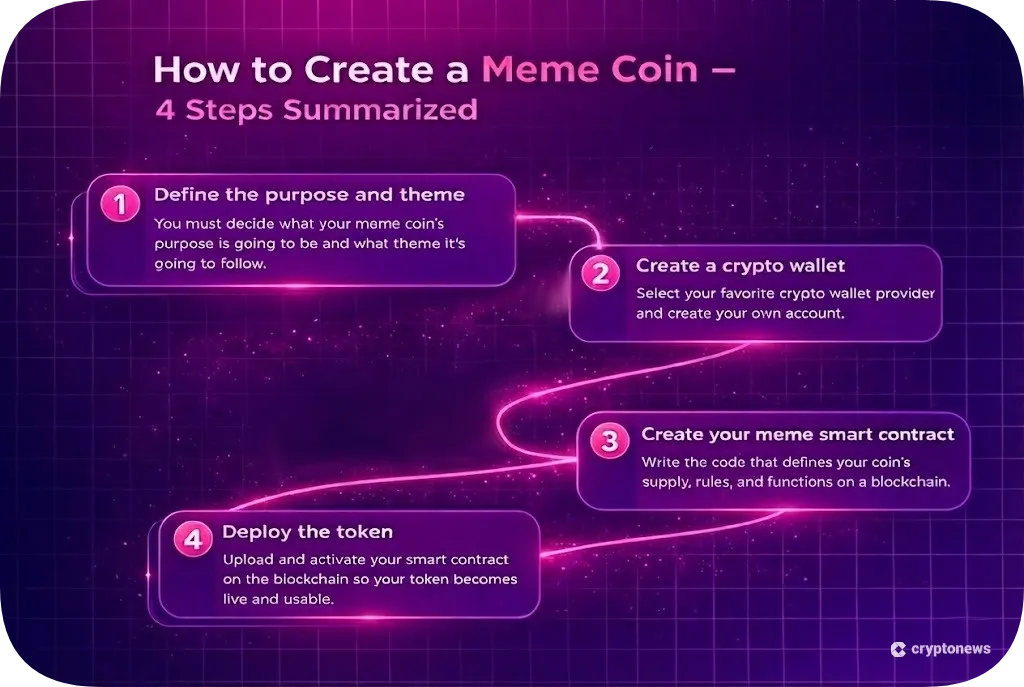
How to Create a Meme Coin – 4 Steps Summarized
- Define the purpose and theme: You must decide what your meme coin’s purpose is going to be and what theme it’s going to follow.
- Create a crypto wallet: Select your favorite crypto wallet provider and create your own account.
- Create your meme smart contract: Write the code that defines your coin’s supply, rules, and functions on a blockchain.
- Deploy the token: Upload and activate your smart contract on the blockchain so your token becomes live and usable.
1. Define the Purpose and Theme
Start by defining the why, and then flesh out the details. It’s time to define the tone, personality, and unique characteristics of your coin. What makes it funny, relatable, or interesting? What kind of community do you want to attract?
Consider these questions:
- What is the meme? This should outline the viral trend, or joke, behind your meme coin.
- What kind of community do you want to attract? Degens aren’t the only community that meme coins appeal to. They attract gamers, artists, or fans of niche communities.
- What core values does your project embrace? Some tokens serve purposes such as philanthropy, as seen in many dog-themed coins that donate to shelters.
Having a clear purpose and theme will help guide the rest of your project and help ensure that the community understands it as well as you do.
2. Create a Crypto Wallet
With your blockchain network chosen, it’s time to create a crypto wallet to manage your meme coin’s funds and interact with the blockchain. To maintain privacy and keep your project’s funds separate from your personal funds, consider setting up a new wallet dedicated solely to your project.
Depending on your chosen blockchain, there are different wallets you can choose from. Best Wallet is a leading multi-chain wallet that is a top choice for ease of use. You can also consider MetaMask for Ethereum or Phantom for Solana.
Choosing a dedicated wallet for your project will make it easier to manage your funds, pay for transaction fees, and interact with other users and developers on the blockchain. It’s an essential step in building a successful meme coin project. For privacy, it’s best to create a new wallet and fund it directly from an exchange.
3. Create Your Meme Coin Smart Contract
Let’s explore ways to create the meme coin token contract that controls your token’s characteristics and defines which wallets can interact with the token. We’ll start with the cheapest option: token generators and meme launchpads.
A. Use a Token Generator (Free/Low-Cost)
With these platforms, you can create a meme coin with no coding and for free. They also allow you to make a meme coin in just a few steps. We’ll use one of the available meme coin generator tools, the Ape Store Meme Coin Generator on the Base network, to create our token.
First, connect a fresh wallet and click “Create Token.” Then, enter your token’s details—like its name, symbol, and description—and choose a blockchain.
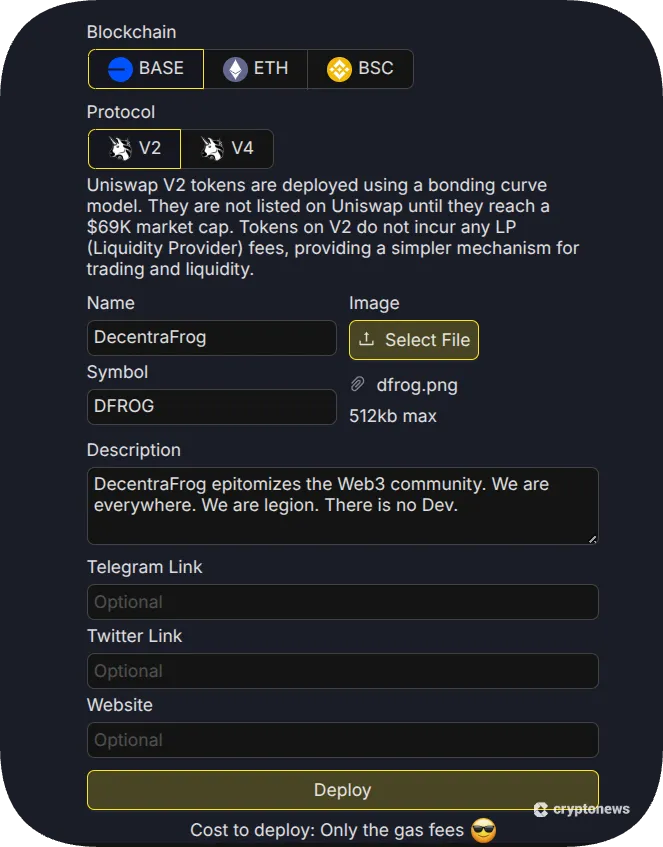
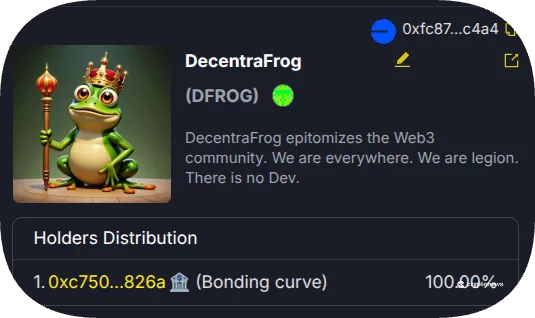
After deploying your token, your meme coin is live on the Ape Store platform. Ape Store uses a bonding curve that increases the token price as more of the supply is purchased.
If or when the token’s market cap reaches $69,000, the Ape Store creates a liquidity pool on Uniswap, allowing more buyers to trade the token.
B. Write a Custom Smart Contract
While generators can be a convenient and cost-effective way to create a smart contract, writing a custom smart contract can offer several advantages.
A custom contract allows for more complex functionalities, such as options for taxes, automated burns, or eligibility rules. To create your token, you will need the for.
- A description of the token’s purpose and functionality
- The desired tokenomics, including supply, distribution, and vesting schedules
- Any specific features or mechanics you want to include
- Information about the blockchain network you’re using (e.g., Solana, Ethereum, etc.)
- Any relevant technical requirements or constraints
You can easily write custom contracts using OpenZeppelin’s Contract Wizard. This method allows you to create contracts without writing any code. However, you will still need some technical knowledge to deploy it on your own.
You can also write custom contracts from scratch in an integrated development environment (IDE). This is perhaps the most demanding and accident-prone method, as it involves using libraries, development frameworks, and custom RPCs.
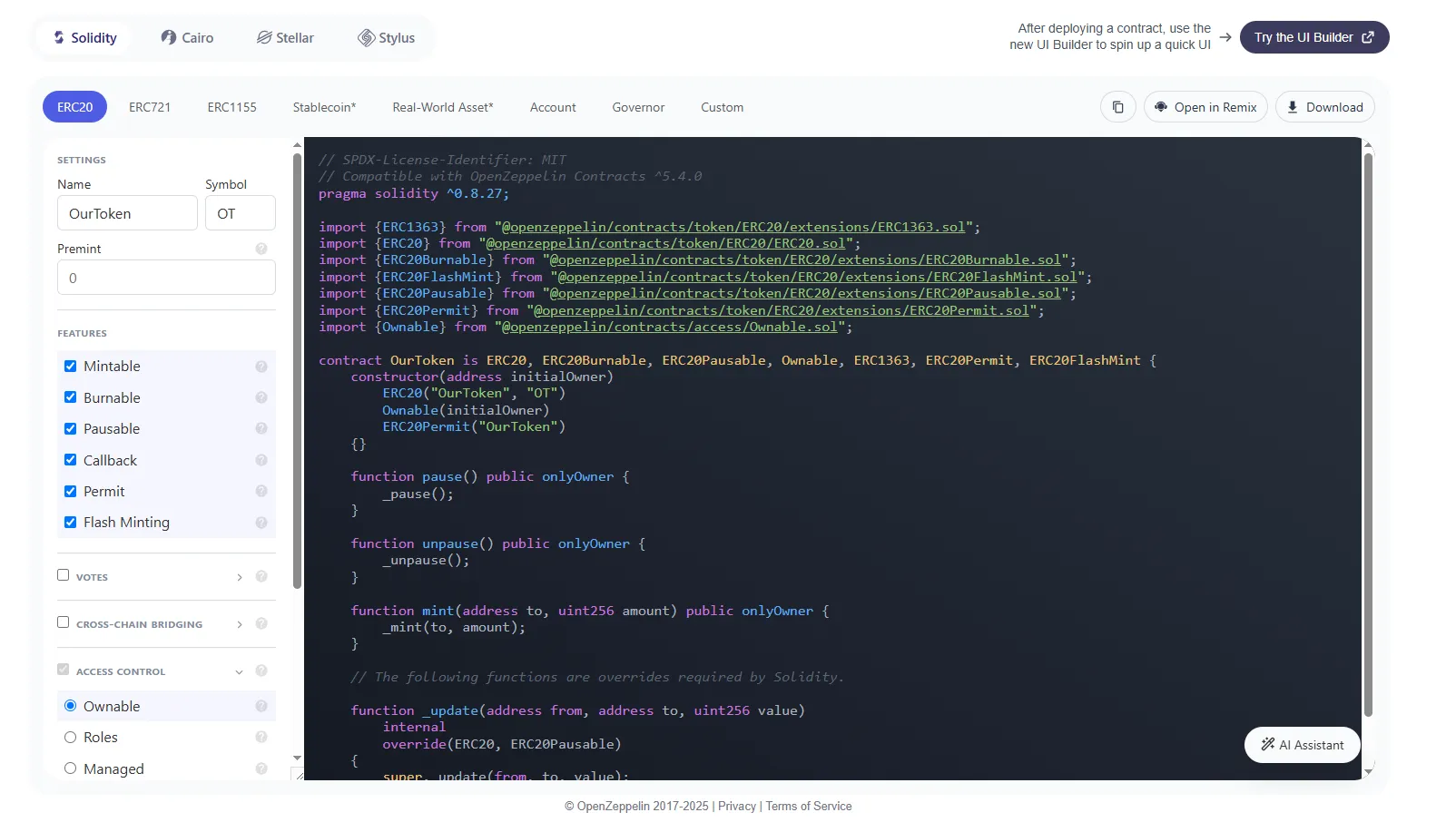
4. Deploy the Token to Your Chosen Blockchain
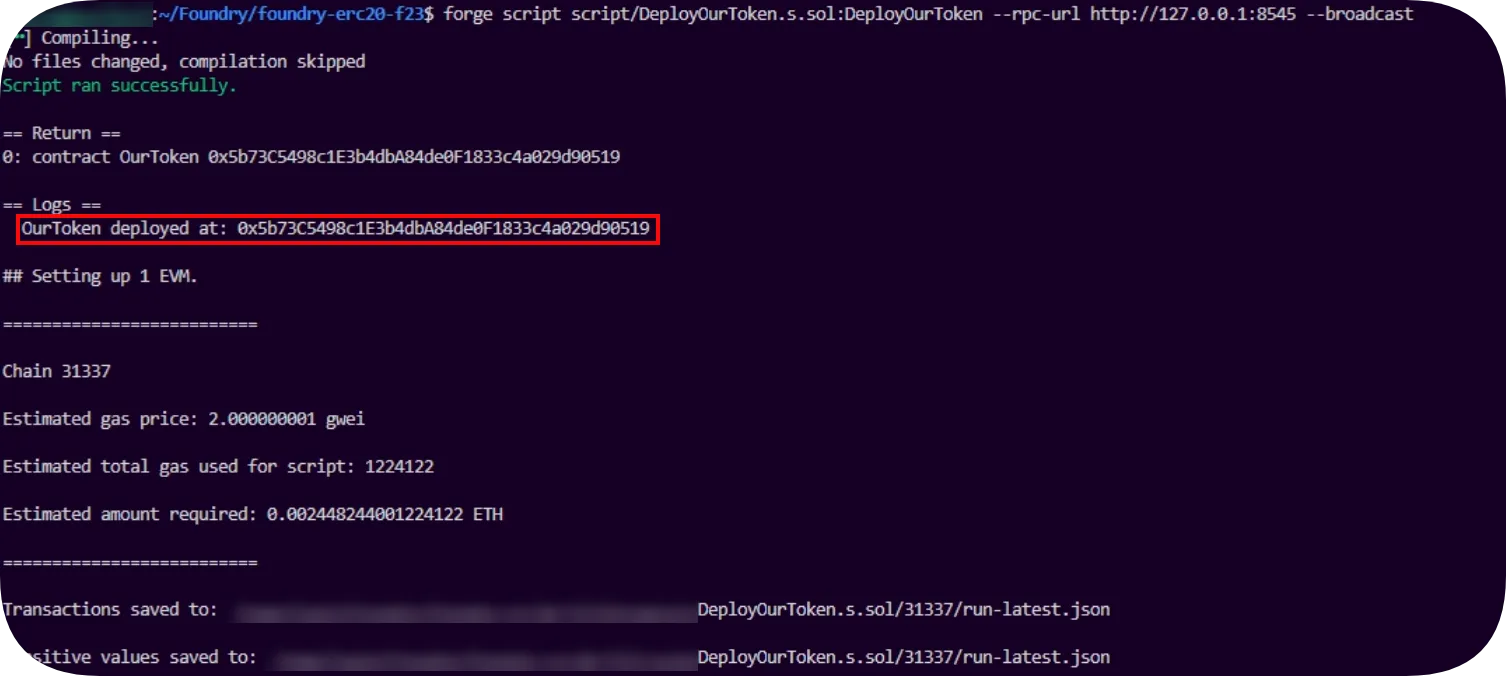
Launch platforms like Ape Store and pump.fun automatically deploys your token contract to the blockchain. If you have a custom-coded contract, it’s time to deploy your token to your chosen blockchain.
Compile the code. For example, you can use a Solidity compiler, such as solc, for an ERC-20 token. Then, use a wallet or infrastructure provider to deploy it to the blockchain network. You’ll pay gas fees for the transaction.
Once deployed, your token will be live and accessible to the public. Test and verify everything is working as expected before announcing your token’s launch to the community.
How to Launch a Meme Coin on Solana in 60 Seconds
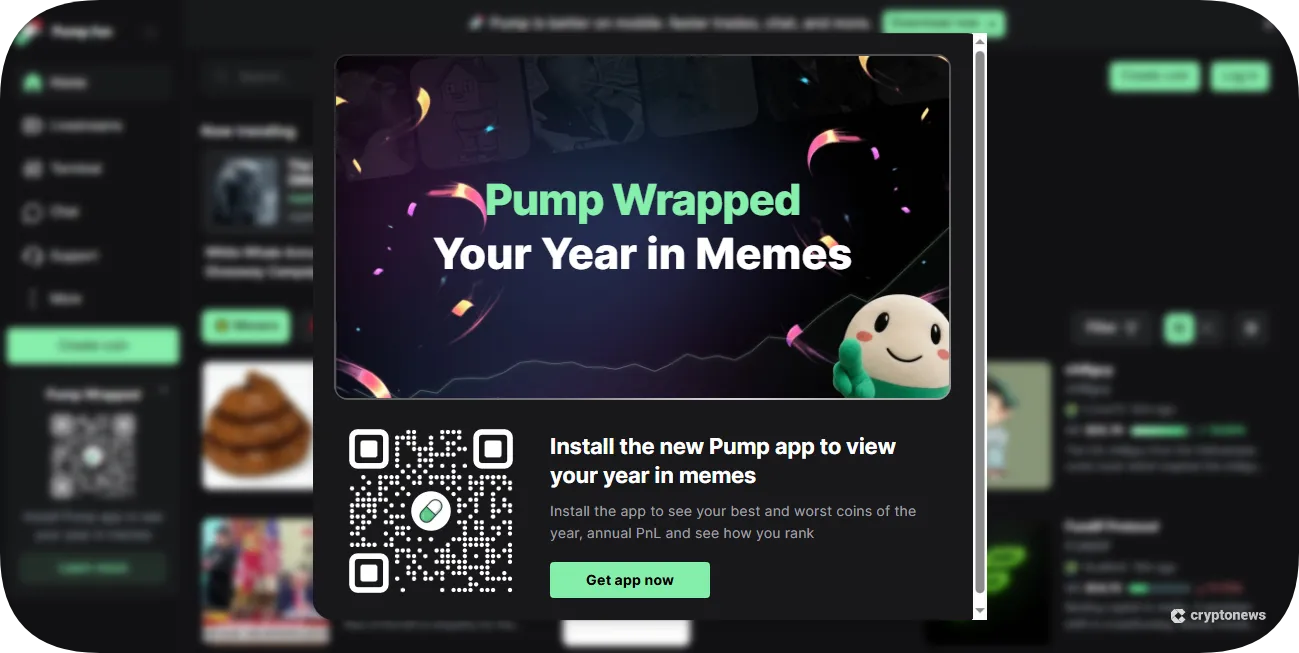
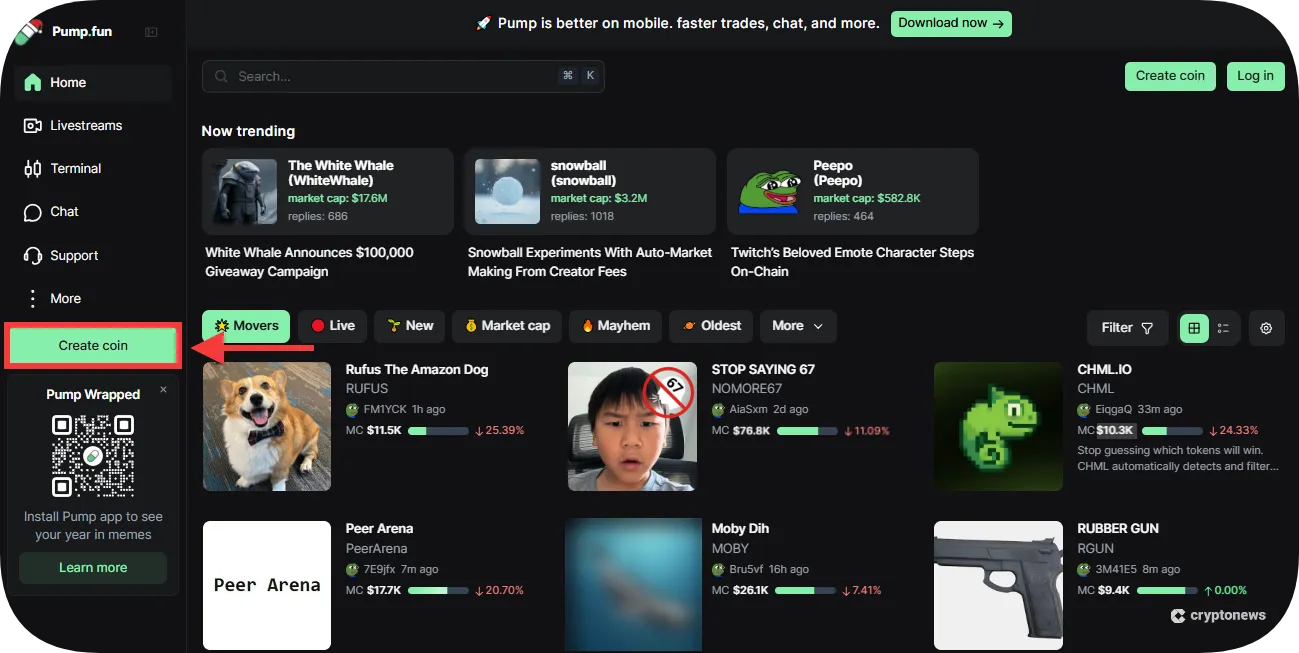
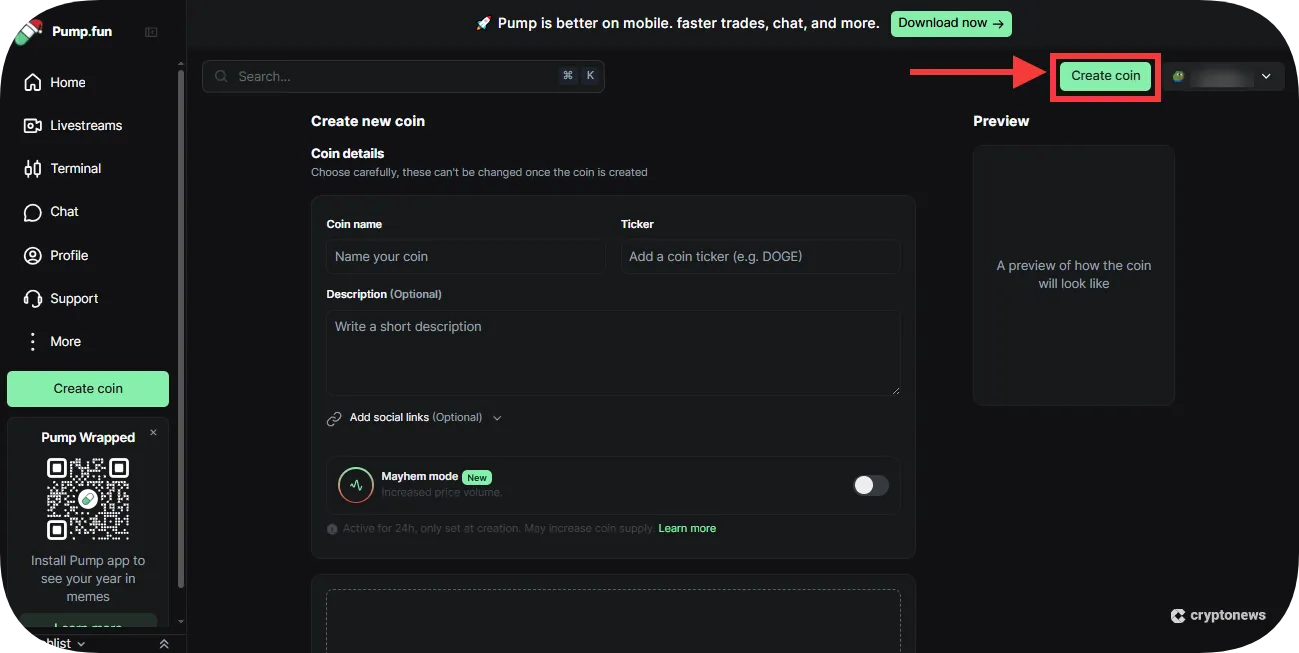
Solana has become the premier platform for launching meme coins, and today, creating one is simpler than ever. Especially on platforms like Raydium or Pump.fun, you can launch one in about 60 seconds. For this demonstration, we will show you how to create a meme coin on Pump. Here’s how:
Step 1: Navigate to Pump.fun
Step 2: Select Create Coin
Step 3: Provide the Token’s Description
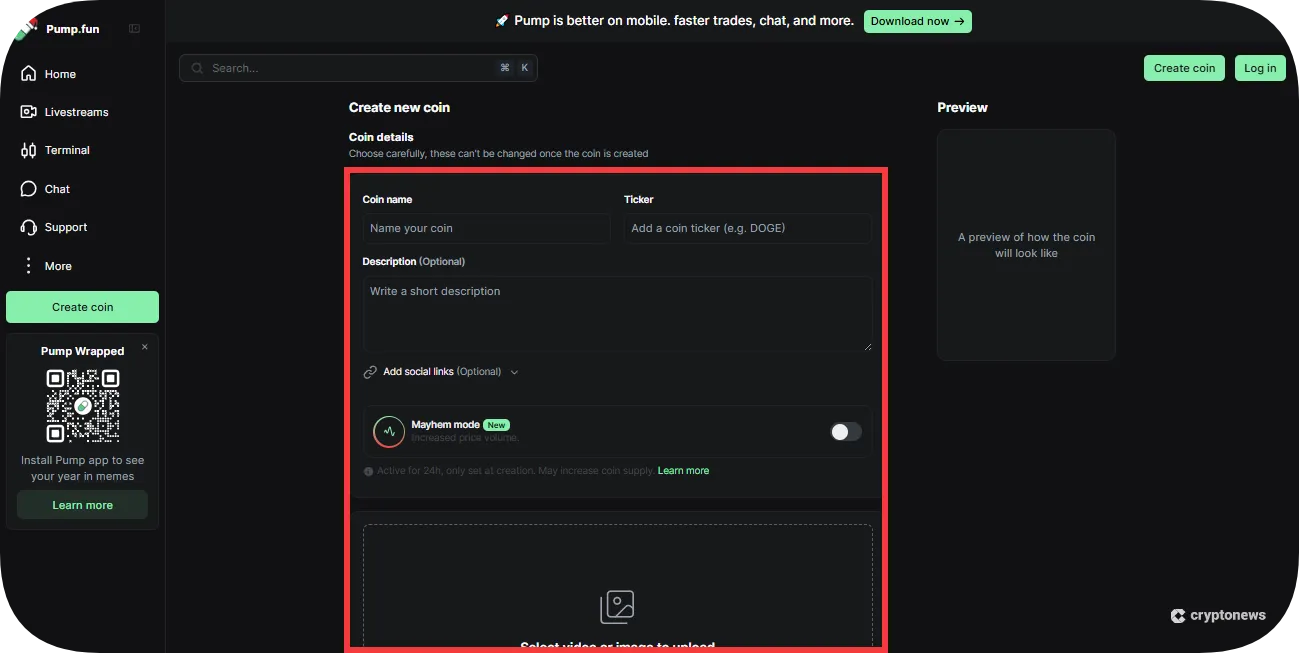
Step 4: Login and Launch
What is a Meme Coin and Why Do They Go Viral?
A meme coin is a type of cryptocurrency coin or token that’s inspired by a meme, a slice of internet culture, or a point of view. Unlike Bitcoin or Ethereum, which solve a problem by providing utility, meme coins typically have no utility whatsoever. Their reason for existence typically centers on fun, although some, like Shiba Inu or Floki, have evolved to become much larger projects.
Meme coins often use a mascot, with dogs and frogs among the most popular. These coins may be true coins (with their own blockchain), but more often, they are tokens that exist on another blockchain. For example, Dogecoin has its own chain, whereas PEPE is a token on the Ethereum blockchain. Communities gather around these coins, investing and trading their favorites.
Why Create a Meme Coin?
Many might see profit as the primary reason to create a meme coin, but there are several reasons people aim to create a top meme coin, ranging from community building to profit potential. Regardless of your reason, it’s often fun, both for the creator and the community.
Let’s examine some of the reasons people immortalize memes on the blockchain.
How Can You Profit From Launching a Meme Coin?
There are several ways to profit from a meme coin, some of which may not be obvious. Let’s explore some of the possibilities.
- Transaction fees: You can collect transaction fees from users who buy, sell, or trade your meme coin. Taxes can accomplish this goal if the feature is included in your token contract.
- Token appreciation: If your meme coin gains popularity and its value increases, you can sell your holdings at a profit.
- Liquidity pools: Creating a liquidity pool allows you to collect fees from users who trade your meme coin.
- Merchandise and branding: You can sell merchandise, such as t-shirts, hats, or other items, with your meme coin’s branding.
However, the likelihood of profiting from a meme coin is relatively low. The meme coin market remains highly competitive. Most projects fail to gain traction or retain value over time. While launching a meme coin can be highly profitable in some cases, it is essential to consider the risks as well.
Examples of People Making Money From Creating Meme Coins
There are two standout examples of people (or anonymous wallets) that have made money from creating meme coins: Squid Game (SQUID) and Shiba Inu (SHIB).
- Squid Game: SQUID was a short-lived meme coin that gained popularity alongside a popular Netflix show by the same name. Although the token was not associated with the show, it rose by 35,000% in just three days. The creators would go on to rugpull the project and make millions of dollars.
- Shiba Inu: A meme coin that capitalizes on the trend of dog-themed tokens. The creator(s) sent almost half the supply to Ethereum founder Vitalik Buterin. He would go on to burn almost 50% of the total supply (~$6.7 billion), which increased its price. SHIB rose by about 900% afterwards, and the founder’s wallets made millions as a result.
These are two instances that show how meme coin creators can make money legitimately or illegitimately. It should serve as a reminder that investing, regardless of the asset, is always a game of chance.
How Much Does it Cost to Start a Meme Coin?
The cost of starting your own meme coin can vary significantly, especially around your marketing strategies. While there are free options, many meme coin developers invest thousands to launch a project. Paid options often include marketing support, audits to reduce exploit risk, and other services.
If you’re the DIY type or you’re working with a tight budget, a barebones launch may offer the best option. Costs generally range from $0 to $1,500. Expect to invest more time. You’ll often become the face of the project, responsible for building and maintaining the website, social media, and meme galleries.
Paid options range from $3,000 up to $100,000 or more. In this case, you’re paying experienced teams or using established platforms to launch your meme coin. Added features may include additional marketing, custom websites to showcase your meme, and audits to ensure the token’s security.
How much does it cost to create a meme coin?
| Meme Coin Launch Type | Estimated Cost | Key Features |
|---|---|---|
| Barebones DIY | $0 – $1,500 | Limited marketing, basic website, no smart contract audit (or free basic audit) |
| Mid-Range | $3,000 – $10,000 | Social media marketing, custom website, basic smart contract audit |
| Professional Launch | $10,000 – $100,000+ | Comprehensive marketing, advanced website, thorough smart contract audit |
We’ll explain each of these in more detail in later sections, providing examples of both low-cost and premium options. We’ll also detail the individual elements, such as token creation platforms, smart contracts and whitepapers, so you have a better understanding, whether you’re creating a DIY token or paying for services.
Let’s start with the token and its associated smart contract.
1. Token Creation and Smart Contract Costs
First, let’s cover some basic mechanics. A smart contract refers to a computer program that works on the blockchain. In this case, the smart contract is responsible for creating tokens in a process called minting.
The smart contract defines the rules for the token, including its ticker symbol, the total number of tokens, whether additional tokens can be minted, and which wallets are authorized to buy or sell the token.
Your token’s smart contract automatically enforces all these rules, ensuring the token behaves consistently and transparently. However, a vulnerability in the smart contract could lead to an exploit, such as minting new tokens. We also discuss the importance of audits in more detail.
Now, let’s explore some budget-friendly DIY options.

2. Smart Contract Auditing
Smart contract auditing is the process of identifying bugs or vulnerabilities in smart contract code. It is important to audit contracts because, if any vulnerabilities or exploits are found, they could lead to hackers harming your community, ultimately resulting in the end of your token.
In May 2024, the popular NORMIE token on Base suffered a hack in which the attacker found a way to mint new tokens. After the token’s market cap fell from $41 million to $35,000, the team was forced to relaunch with a more secure token. After the relaunch, the token plummeted.
While basic automated checks offer affordability, professional audits provide deeper analysis. Audits can bolster investor confidence and prevent exploits by giving you a chance to fix the code before launch.
Let’s break down the two main approaches: basic automated audits and professional security audits.
4. Marketing and Community Building Costs
Your website acts as a hub for your meme coin, but you need to drive traffic and create awareness. The basics include social media accounts and memes. If you need a boost, consider influencer marketing or paid advertising to increase your visibility. Let’s look at what each entails.
5. Exchange Listing Fees and Liquidity
Getting listed on crypto exchanges is crucial in making a successful meme coin. Listing provides liquidity, visibility, and accessibility to a wider audience. However, exchange listing fees can vary significantly, ranging from a few hundred dollars to over $100,000.
Most of the best crypto presales and meme coins begin trading on decentralized exchanges. A much smaller subset makes it to centralized exchanges, such as Coinbase or Binance. Let's explore the options and costs.
A liquidity pool (LP) refers to tokens deposited in a smart contract. Traders can connect their crypto wallet and trade Token A for Token B.
The cost of starting the pool itself is often minimal. Think of the pool as a trading pair. For example, buyers can swap ETH for your token on an EVM chain or SOL on Solana. However, liquidity pools price each token relative to the supply of the other token.
A brand new pool will have a supply of the new meme token and likely very little of the paired token. This keeps the cost of starting the pool low. However, adding more of a paired token (such as ETH or SOL) will provide a better trading experience with reduced slippage.
DEX apps like Uniswap (EVM chains) and Orca (Solana) enable you to quickly build an LP. Orca even lets you create a token and pool simultaneously.
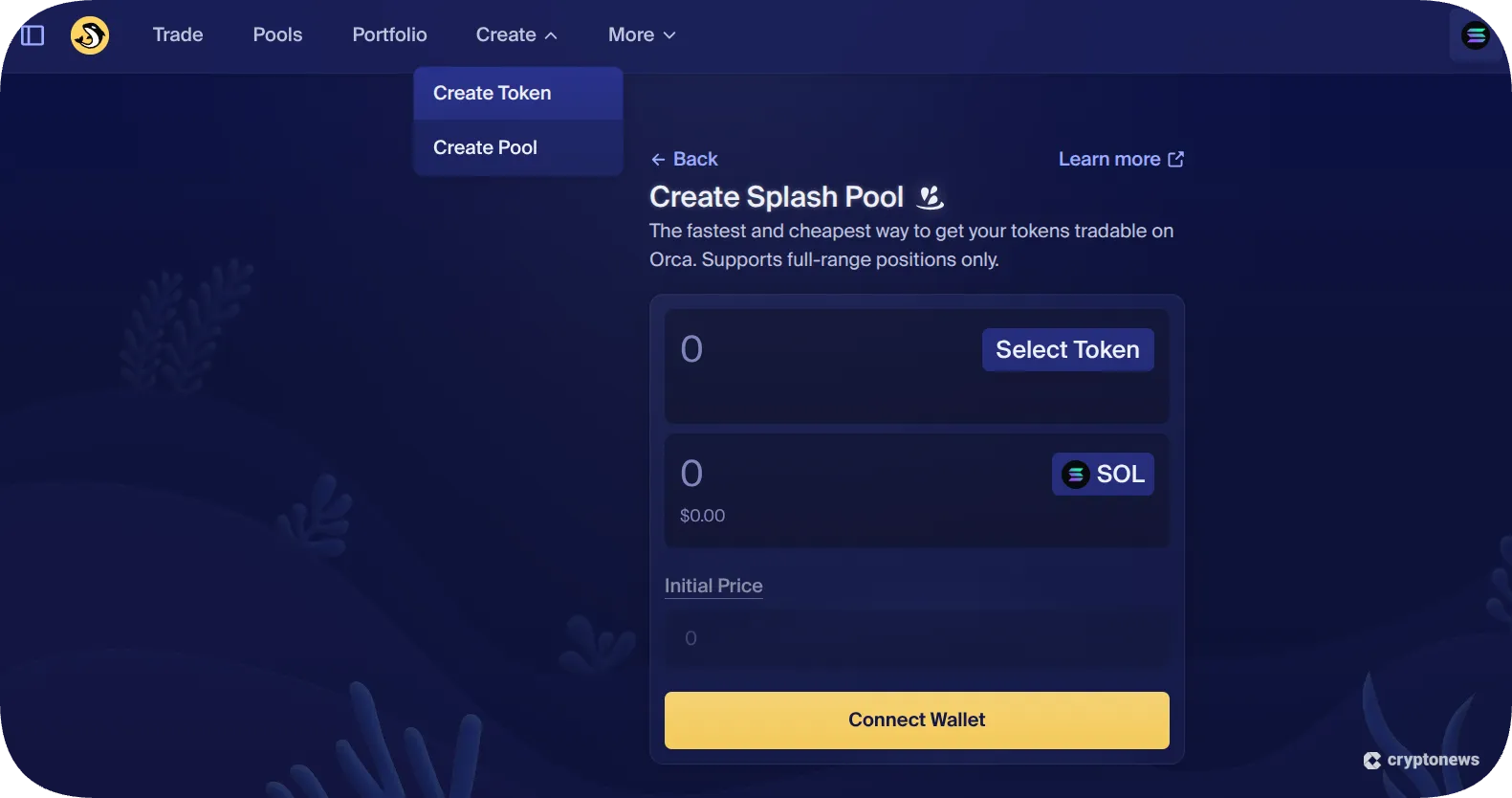
Creating the pool is the first step. To get eyes on your meme coin, you’ll also want at least one DEX listing. Most smaller projects opt for Dexscreener, which costs $300 for a listing. This provides a page where traders are already searching for meme coins. The page provides a chart, tokenomics, a description, a banner, and simple audit tools.
If you successfully create a meme coin, it's worth listing it on top meme coin trading platforms to reach a broader audience.
How to Market Your New Meme Coin
Marketing helps build active community engagement and grow awareness. Let's discuss some effective ways to market your new meme coin.
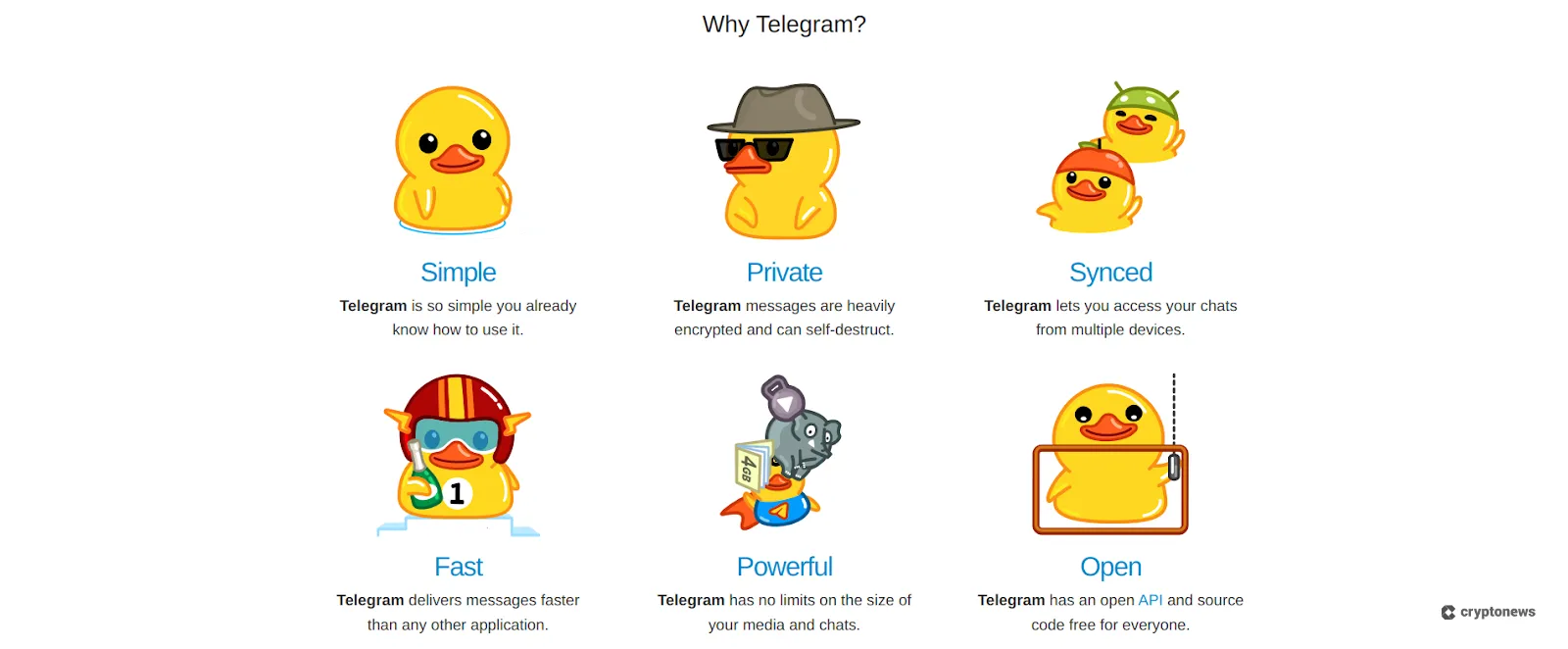
Before launch, focus on building a community on platforms like Twitter, Telegram, Discord, and Instagram. Share engaging content, respond to comments and messages, and collaborate with other projects to build your following.
How To Make Your Meme Coin Stand Out
With so many meme coins on the market, it can be challenging to make yours stand out. However, you can differentiate your coin and attract a loyal following using a few key strategies.
Is it Legal to Create a Meme Coin?
According to a statement by the SEC, meme coins do not constitute “securities” under federal law. However, this does not necessarily mean that creating a meme coin is entirely legal. Developers should remain cautious of violating any other laws outside of securities.
For instance, in countries like the U.S., Canada, and the U.K., there are strong consumer protection and advertising laws that vehemently discourage undisclosed risks, misleading claims, and undisclosed paid promotions — activities that are prevalent with meme coins.
So, while most countries don’t explicitly ban meme coins, many of the activities that you see around them and used to promote them can be illegal.
What Are the Risks of Making a Meme Coin?
It can be fun and exciting to create your own meme coin, but you must be aware of any risks you might face in the process, such as:
- Market volatility: Your coin’s value might swing violently with the market, causing you to lose some of your investment.
- Lack of adoption: The meme market is extremely crowded, so there’s no guarantee that your coin will gain traction.
- Regulatory risks: The regulatory environment for cryptocurrencies changes regularly. New or changing regulations could negatively impact the value or usability of your coin.
- Security risks: As with any cryptocurrency, there’s a risk of hacking, phishing, or other security breaches. Audits can reduce this risk at the token level.
- Reputation risks: If your coin is perceived as a joke or a scam, it can damage your reputation and reduce your chances of a thriving community.
- Financial risks: Even if you make a meme coin on a budget, you’ll find that costs add up over time. There is no guarantee that you will ever recover your investment.
It’s very important that you keep these risks in mind before you create a meme coin so that you can plan accordingly.
Before you start, you have to cover the essentials, such as knowing the purpose of your coin, choosing the right blockchain, setting up your wallet and test environment, writing a secure smart contract and getting it audited, as well as adding liquidity to start trading. The market sometimes thrives on memes and fun, so you need to build a strong community to back you up. You will also need to establish new connections. If you follow proper procedure, your meme coin might be the next big hit.Conclusion: What to Know if You Want to Create a Meme Coin
Launching a successful meme coin must be backed up by careful planning, execution, and proper marketing. But it still might not be enough, as you might face unexpected factors that will affect your coin.
FAQs
Do I need coding skills to create a meme coin?
How long does it take to build and launch a meme coin?
What is the cheapest way to create a meme coin?
Can you make money from launching a meme coin?
What is the best network to launch a meme coin on?
How much money do you need for a successful launch?
References
- Normie Incident Analysis (certik.com)
- Let's go next level smart contract security with Diligence Fuzzing. (consensys.io)
- Staff Statement on Meme Coins (sec.gov)
- Framework for “Investment Contract” Analysis of Digital Assets (sec.gov)
- New Jersey Bureau of Securities Brings Action Against Coinbase (njoag.gov)
- Shiba Inu Deployer Address (Etherscan)
- Squid Game Rug Pull transaction hash (Metasleuth)
2M+
250+
8
70




 in numbers

About Cryptonews
Our goal is to offer a comprehensive and objective perspective on the cryptocurrency market, enabling our readers to make informed decisions in this ever-changing landscape.
Our editorial team of more than 70 crypto professionals works to maintain the highest standards of journalism and ethics. We follow strict editorial guidelines to ensure the integrity and credibility of our content.
Whether you’re looking for breaking news, expert opinions, or market insights, Cryptonews has been your go-to destination for everything cryptocurrency since 2017.
