S&P Global Finds Ties Between Crypto and Macroeconomic Changes in Latest Report



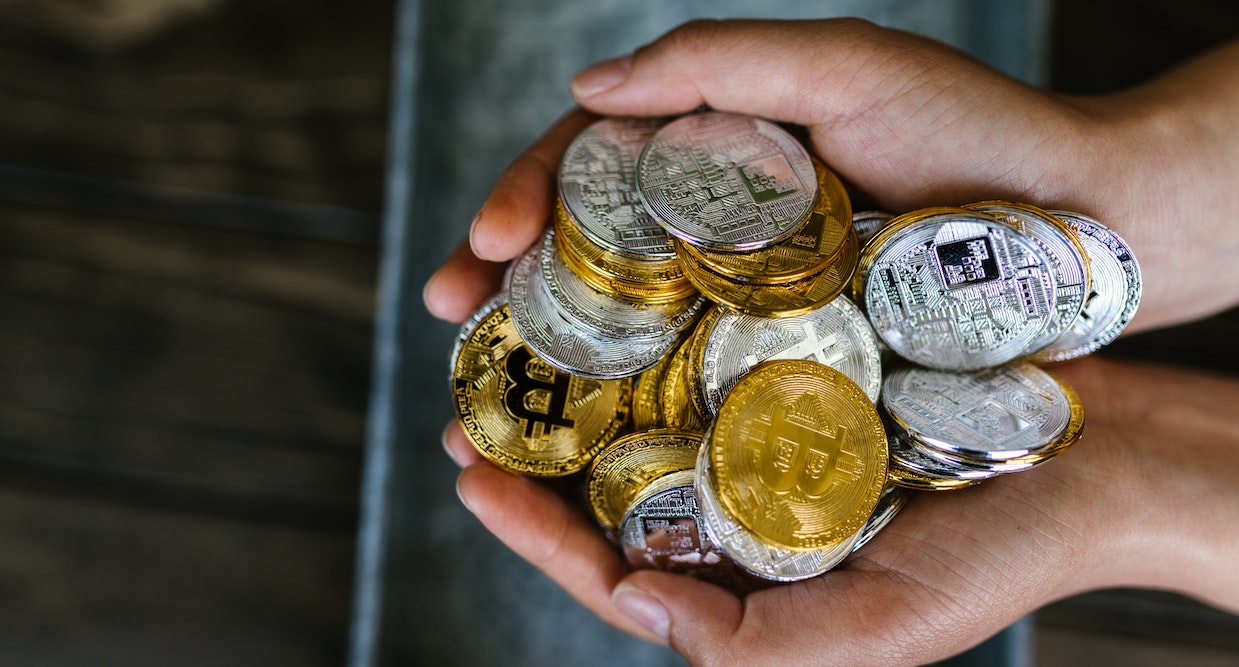
Cryptocurrency is still tied to the effects of macroeconomic changes despite drivers such as technology and market sentiment, according to S&P Global’s latest report.
The authors of that US-focused report looked into how monetary policy affects crypto, whether a perception of a possible recession matters for crypto and whether financial stress spills into those markets among other related topics in a report released this month.
The report was titled, “Are crypto markets correlated with macroeconomic factors?”
Crypto is not exempt from the effect of macroeconomic changes, even if performance is driven by technology and market sentiment, according to the report.
“The market’s relationship with macroeconomic indicators may become stronger – and more in line with that of traditional financial assets – as more institutional investors turn to crypto,” the authors said.
If more institutional investors turn to crypto, contagion risks between traditional and crypto may rise, they said.
What happens to crypto if there is a recession?
It depends, according to the report.
“Growing recessionary risk could weigh on crypto assets if economic concerns dent appetite for higher-risk assets. At the same time, a recession perceived to be driven by poor government policies could arguably boost demand for crypto because the assets’ decentralized and borderless nature creates a potential shelter,” according to the report.
If a recession is caused by inflation, or poor government policies, investors could turn to crypto, because they are decentralized and partially driven by technology and market sentiment, they said.
“In countries where national currencies are unstable, the crypto market offers an alternative for preserving purchasing power. A handful of countries have adopted crypto as legal tender,” according to the report.
The authors also mentioned the collapses of crypto exchange FTX and algorithmic stablecoin TerraUSD in the report.
“In general, crypto markets have performed well in periods of expansionary monetary policies, although we are not able to establish a causal relationship. Some of the large swings in crypto currencies have taken place following factors that are not directly related to monetary policy, such as the FTX collapse,” they said.
- XRP Price Could Explode After Tokenization Deal With Fund Manager
- Leading AI Claude Predicts the Price of XRP, Cardano and Ethereum By the End of 2026
- XRP Price Prediction: Could XRP Really Flip Bitcoin and Ethereum? One Analyst Says the Battle Has Already Begun
- Bitcoin Price Prediction: Alarming New Research Warns Millions in BTC at Risk of ‘Quantum Freeze’ – Are You Protected?
- Strange New Chinese AI ‘KIMI’ Predicts the Price of XRP, Dogecoin and Solana By the End of 2026
2M+
250+
8
70





- XRP Price Could Explode After Tokenization Deal With Fund Manager
- Leading AI Claude Predicts the Price of XRP, Cardano and Ethereum By the End of 2026
- XRP Price Prediction: Could XRP Really Flip Bitcoin and Ethereum? One Analyst Says the Battle Has Already Begun
- Bitcoin Price Prediction: Alarming New Research Warns Millions in BTC at Risk of ‘Quantum Freeze’ – Are You Protected?
- Strange New Chinese AI ‘KIMI’ Predicts the Price of XRP, Dogecoin and Solana By the End of 2026
More Articles

 in numbers