SEC Says Certain Stablecoins Qualify as ‘Non-Securities’ Under New Guidelines



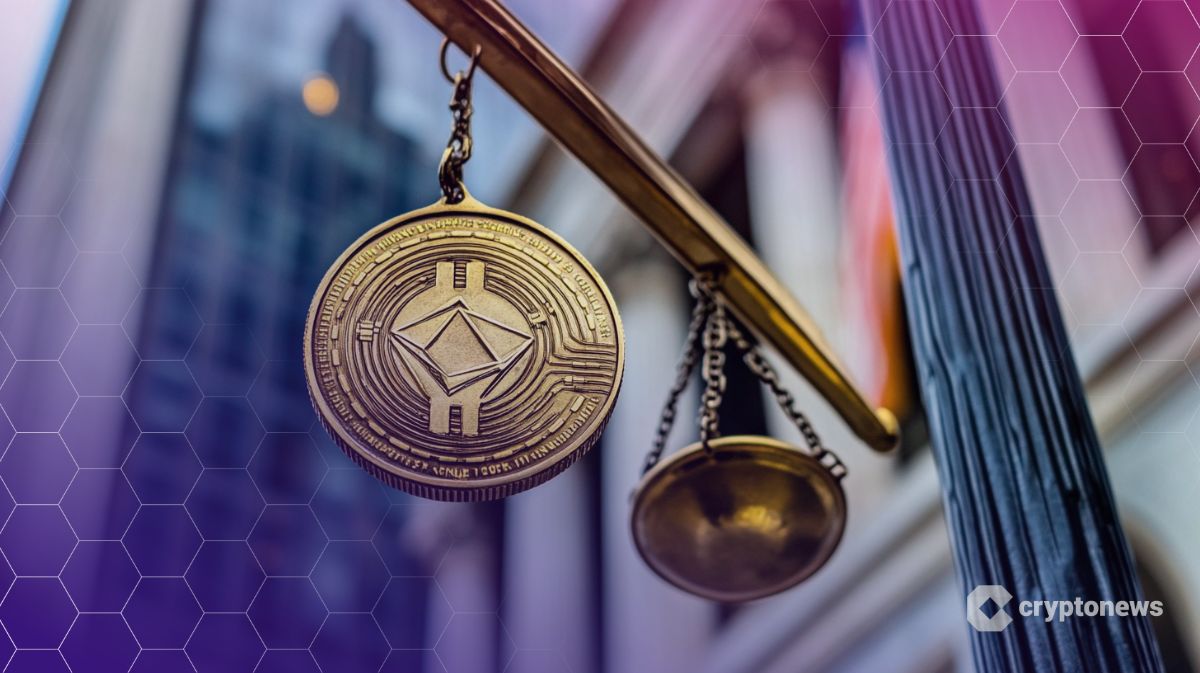
The U.S. Securities and Exchange Commission (SEC) announced new guidelines on April 4, stating that certain fiat-backed stablecoins will be classified as “non-securities,” thereby exempting them from transaction reporting requirements.
The updated classification marks a pivotal moment in the regulatory landscape for digital assets, offering much-needed clarity for stablecoin issuers and market participants.
According to the SEC notice, stablecoins that qualify as “covered stablecoins” must meet strict criteria: they must be fully backed by physical U.S. dollars or low-risk, short-term liquid instruments, and must be redeemable at a 1:1 ratio with the U.S. dollar.
New SEC Rules Exclude Algorithmic and Synthetic Stablecoins from ‘Non-Security’ Status
The new framework explicitly excludes algorithmic stablecoins and synthetic dollar tokens that rely on software mechanisms or trading strategies to maintain their peg.
The guidelines also prohibit covered stablecoin issuers from commingling reserves with operational funds, offering yield or profit-sharing to token holders, or using reserves for market speculation.
These conditions align closely with provisions laid out in recent legislative proposals, including the GENIUS Stablecoin Bill introduced by Senator Bill Hagerty and the Stable Act of 2025 from Representative French Hill.
These laws aim to solidify the U.S. dollar’s status as the world’s dominant reserve currency by encouraging the issuance of fully-backed, transparent stablecoins.
Stablecoin issuers like Tether—currently the world’s largest—have become significant holders of U.S. Treasury bills, with Tether alone now ranking as the seventh-largest holder globally, surpassing nations like Germany and Canada.
U.S. Treasury Secretary Scott Bessent underscored the importance of stablecoin regulation during the White House Digital Asset Summit on March 7, describing it as central to the administration’s strategy for maintaining dollar dominance in the digital age.
SEC Commissioner Crenshaw Pushes Back Against New Stablecoin Guidelines
However, not all reactions have been positive. SEC Commissioner Caroline Crenshaw, known for her critical stance on cryptocurrencies, publicly criticized the new guidelines.
In an April 4 statement, she accused the SEC of misrepresenting the risks of USD-backed stablecoins and claimed the report contained “legal and factual errors.”
Crenshaw highlighted that most stablecoins are only accessible to retail buyers via intermediaries, not directly from issuers—a point she argued the SEC downplayed.
She said over 90% of USD-stablecoins are distributed on secondary markets through crypto trading platforms.
Despite her concerns, the broader crypto industry has welcomed the guidance.
Token Metrics founder Ian Balina described it as a positive development, calling it “a clear step in focusing on what really matters in the crypto space.”
Last month, Federal Reserve Chair Jerome Powell affirmed the central bank’s support for developing a regulatory framework around stablecoins during a Senate hearing.
Powell stated that the Federal Reserve supports the creation of a regulatory framework for stablecoins, noting the importance of protecting consumers and savers.
- XRP Price Could Explode After Tokenization Deal With Fund Manager
- Bitcoin Price Prediction: Alarming New Research Warns Millions in BTC at Risk of ‘Quantum Freeze’ – Are You Protected?
- Leading AI Claude Predicts the Price of XRP, Cardano and Ethereum By the End of 2026
- XRP Price Prediction: Could XRP Really Flip Bitcoin and Ethereum? One Analyst Says the Battle Has Already Begun
- Strange New Chinese AI ‘KIMI’ Predicts the Price of XRP, Dogecoin and Solana By the End of 2026


2M+
250+
8
70





- XRP Price Could Explode After Tokenization Deal With Fund Manager
- Bitcoin Price Prediction: Alarming New Research Warns Millions in BTC at Risk of ‘Quantum Freeze’ – Are You Protected?
- Leading AI Claude Predicts the Price of XRP, Cardano and Ethereum By the End of 2026
- XRP Price Prediction: Could XRP Really Flip Bitcoin and Ethereum? One Analyst Says the Battle Has Already Begun
- Strange New Chinese AI ‘KIMI’ Predicts the Price of XRP, Dogecoin and Solana By the End of 2026
More Articles



 in numbers