Russia Must Build Its Own Stablecoins, Finance Ministry Official Says


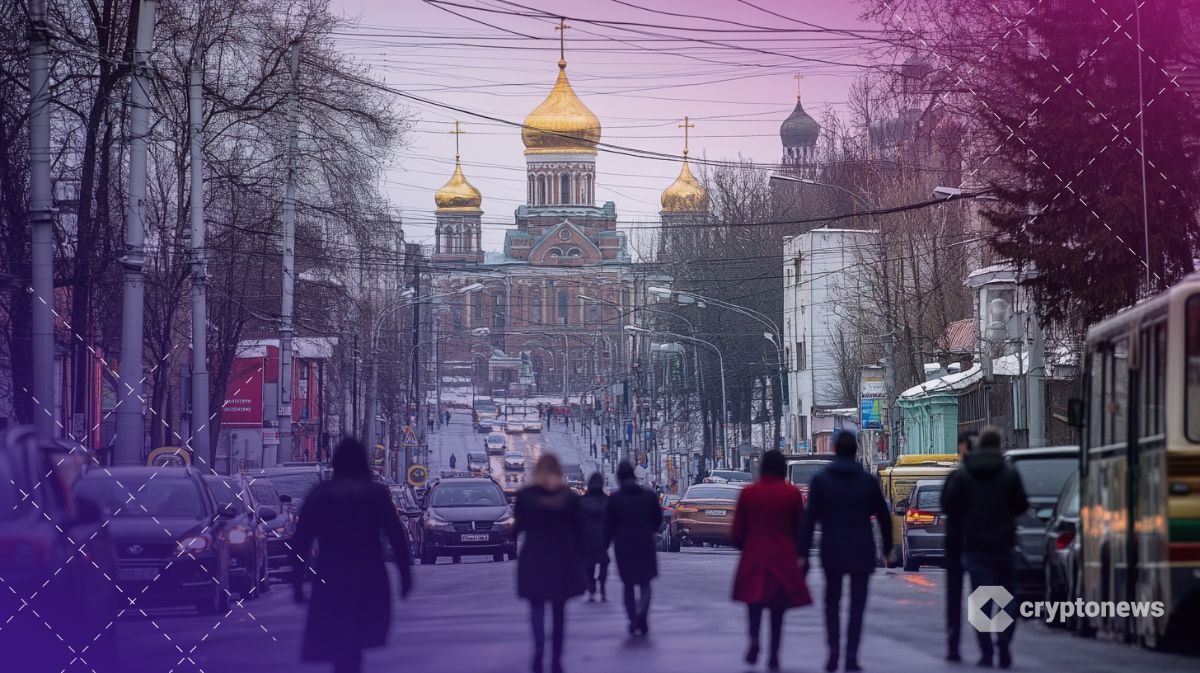
Russia should develop its own stablecoins, a senior finance official said on Wednesday, after USDT wallets linked to the country were frozen last month, disrupting digital transactions and raising concerns over reliance on foreign-issued tokens.
Osman Kabaloev, deputy head of the Financial Policy Department at the Finance Ministry, said on Wednesday that Russia should consider creating domestic alternatives to popular stablecoins like USDT, Reuters reported Wednesday.
Blocked USDT Wallets Push Russia to Explore Local Stablecoin Options
“The recent blockage makes us think that we need to consider creating internal tools similar to USDT, possibly pegged to other currencies,” he said.
The comments come after USDT issuer Tether froze wallets on Russian crypto exchange Garantex, which held over 2.5 billion roubles worth of the stablecoin. The move followed new European Union sanctions and forced Garantex to suspend operations earlier in March.
Sanctions and Wallet Freezes Expose Risks of Relying on Foreign-Issued Stablecoins
Stablecoins are usually pegged to the US dollar or other fiat currencies. They are widely used to support crypto trading and cross-border transfers. Further, their stability and low volatility make them appealing. These are especially useful in regions facing financial restrictions or sanctions.
In Russia, USDT became popular among companies for international transactions. This trend grew as access to global payment systems tightened under Western sanctions.
Regulators in Moscow have allowed limited experimental use of crypto for cross-border payments. However, domestic use of cryptocurrencies remains restricted.
The call to develop homegrown stablecoins reflects growing concerns in Russia over reliance on digital assets controlled by foreign companies. Tether has previously stated that it complies with international regulatory requirements, including sanctions enforcement, which has led to similar wallet freezes in other regions.
- [LIVE] Fed Payments Innovation Conference: Real-Time Updates as Federal Reserve Discusses Crypto, Stablecoins, and AI with Industry Leaders
- Crypto Market Prospect: After the Washout, the Soil Looks Richer
- China’s DeepSeek AI Predicts the Price of XRP, BTC, and DOGE By the End of 2025
- Anthropic’s Claude AI Predicts the Price of XRP, SOL and Ethereum By the End of 2025
- Best Crypto To Buy Now 18 December – SHIB, XRP, ADA


2M+
250+
8
70





- [LIVE] Fed Payments Innovation Conference: Real-Time Updates as Federal Reserve Discusses Crypto, Stablecoins, and AI with Industry Leaders
- Crypto Market Prospect: After the Washout, the Soil Looks Richer
- China’s DeepSeek AI Predicts the Price of XRP, BTC, and DOGE By the End of 2025
- Anthropic’s Claude AI Predicts the Price of XRP, SOL and Ethereum By the End of 2025
- Best Crypto To Buy Now 18 December – SHIB, XRP, ADA
More Articles



 in numbers