Belgian Museum Tokenizes Million-Euro Masterpiece to Allow its Fractional Ownership





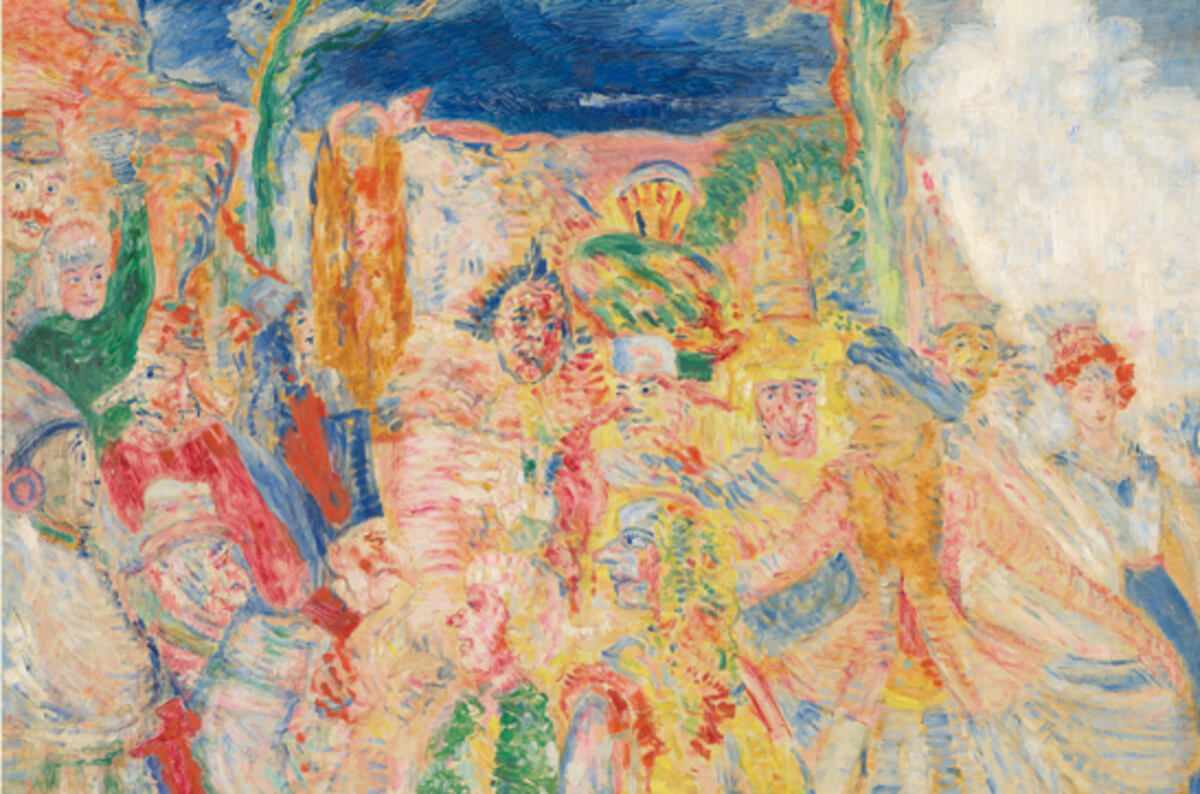
The Royal Museum of Fine Arts Antwerp (KMSKA) in Belgium is working with two blockchain companies to tokenize Carnaval de Binche, a million-euro painting by Belgian artist James Ensor, to allow everyone to become a “co-owner” of the masterpiece.
The two-centuries-old museum has partnered with blockchain companies Rubey and Tokeny to tokenize the masterpiece on the Polygon (MATIC) blockchain using Tokeny’s compliant ERC-3643-based security token, a standard for permissioned tokens.
“[The KMSKA] is the first European museum to tokenize a masterpiece to democratize art investment,” says the announcement.
While the art industry has been traditionally dominated by wealthy individuals, the KMSKA says it aims to make masterpieces available to the masses by offering fractional ownership.
In the case of Carnaval de Binche, everyone can become a “co-owner” with an investment of EUR 150 (USD 158). The fractional ownership would be sold via an Art Security Token Offering, with the money raised being used to purchase the painting.
“KMSKA will be more than a place that displays art. We are fully committed to engaging our visitors and token holders in our collection and operation,” Luk Lemmens, President of KMSKA, said. “It is very special that anyone can become a “co-owner” of Carnaval de Binche by James Ensor.”
KMSKA’s Art Security Tokens are different from non-fungible tokens (NFTs) in that they are backed by debt instruments, which makes them fall under securities regulation. Therefore, they must comply with the law throughout the entire process of issuance.
To ensure compliance, the museum will use permissioned ERC-3643 tokens and the digital identity system ONCHAINID. Therefore, interested buyers need to meet certain criteria before being able to purchase and transfer tokens.
____
Learn more:
– Gustav Klimt’s ‘The Kiss’ Masterpiece is Selling as 10,000 NFTs
– Picasso NFTs
– 4 Reasons Why Museums Aren’t Cashing in on NFTs yet
– Fractional NFTs Might Democratize Digital Investing
– Fractionalized Doge NFT Hits Implied Valuation of USD 500M
– Bitpanda Boards the Tokenized Fractional Share Train in an Emerging Trend
- Elon’s Grok AI Predicts the Price of XRP, Solana and PEPE By the End of 2026
- New ChatGPT Predicts the Price of XRP, Bitcoin and Dogecoin By the End of 2026
- Bitcoin Price Prediction: $1.55 Billion Flooded In Last Week – Are Investors Preparing for a Global Meltdown?
- China’s Alibaba AI Predicts the Price of XRP, Solana and Bitcoin By the End of 2026
- XRP Price Prediction: Ripple Is Now Aligned With U.S. Lawmakers – Is This the Moment XRP Becomes Unstoppable?
2M+
250+
8
70





- Elon’s Grok AI Predicts the Price of XRP, Solana and PEPE By the End of 2026
- New ChatGPT Predicts the Price of XRP, Bitcoin and Dogecoin By the End of 2026
- Bitcoin Price Prediction: $1.55 Billion Flooded In Last Week – Are Investors Preparing for a Global Meltdown?
- China’s Alibaba AI Predicts the Price of XRP, Solana and Bitcoin By the End of 2026
- XRP Price Prediction: Ripple Is Now Aligned With U.S. Lawmakers – Is This the Moment XRP Becomes Unstoppable?
More Articles



 in numbers